What to Eat in Brussels: Local Dishes, Where Locals Eat & Drink, and the Best Food Tours
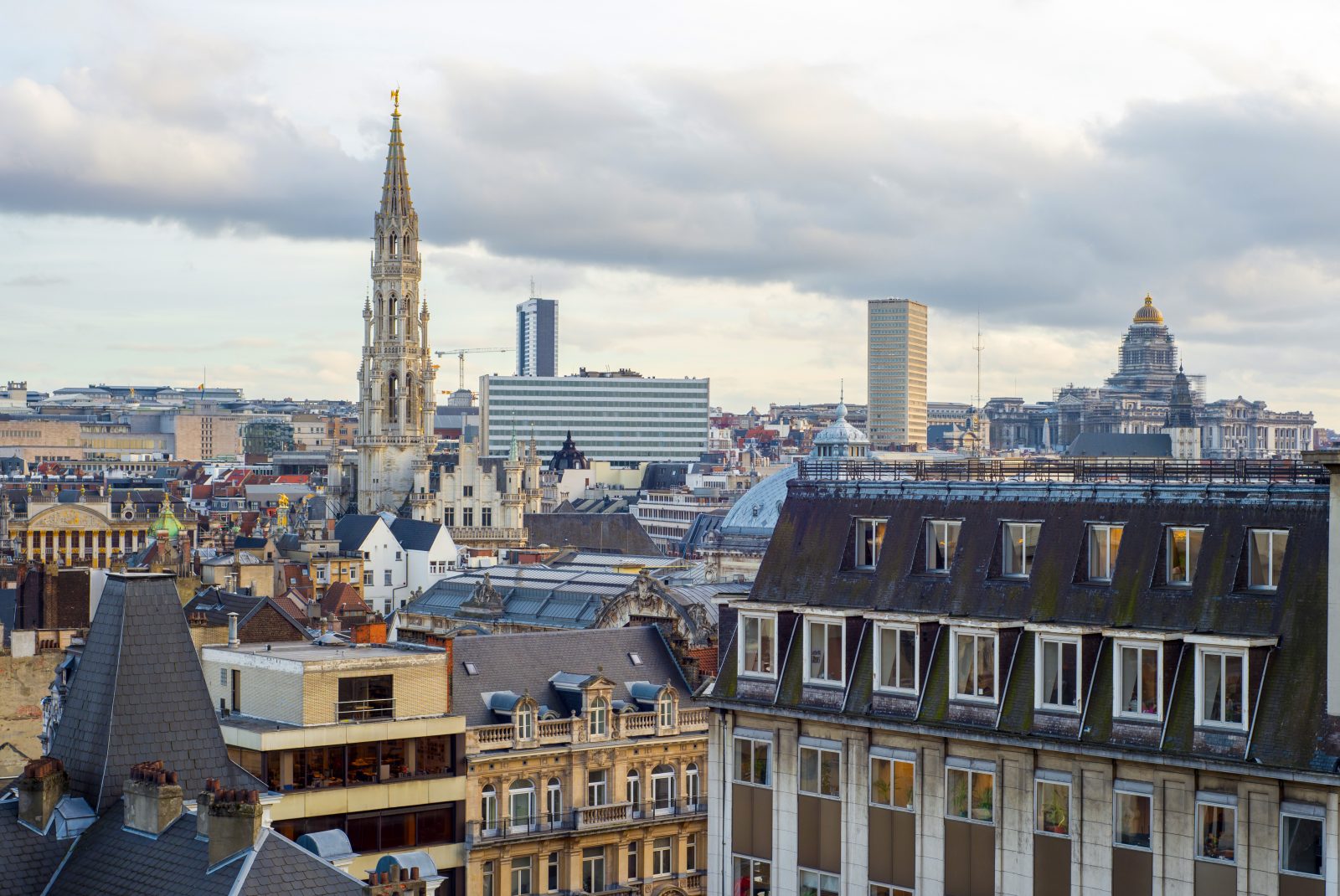
The short version: in Brussels, eat frites from a friterie, moules-frites and carbonnade flamande in an old brasserie, a waffle at Maison Dandoy and pralines from the chocolatiers of the Galerie de la Reine and the Sablon. For a classic Belgian dinner, go to Aux Armes de Bruxelles or Taverne du Passage near the Grand-Place; for fish, the counter at Noordzee in Sainte-Catherine. Drink gueuze and lambic, the sour wild-fermented beers of Brussels, at À la Mort Subite or Moeder Lambic, and visit the Cantillon brewery. On a short visit, a beer or chocolate tour is the shortcut to the right cafés and shops. Below: where to eat and drink it, by neighbourhood.
Book a Brussels food, beer or chocolate experience
Short on time? Let a local walk you to the right places.
Our top pick is the History Tour with Chocolate and Waffle Tasting: 2.5 hours, rated 4.8 from 1,542 reviews on GetYourGuide.
What to eat in Brussels, and where to eat it
| Dish | What it is | Where to eat it in Brussels |
|---|---|---|
| Moules-frites | A pot of mussels steamed with celery, onion and white wine or beer, with a cone of frites on the side | Aux Armes de Bruxelles; Le Zinneke in Schaerbeek |
| Frites | Thick-cut fries, fried twice and sold in a paper cone from a friterie (fritkot), with mayonnaise or one of a dozen sauces | Maison Antoine; Frit’Flagey; Fritland |
| Carbonnade flamande | Beef slow-cooked in dark beer with onions, a little mustard and brown sugar, served with frites | Aux Armes de Bruxelles; Nüetnigenough |
| Stoemp | Brussels mash: potatoes mashed with carrots, leeks or other vegetables, served with a sausage or bacon | Nüetnigenough |
| Croquettes aux crevettes | Crisp fried croquettes filled with creamy grey North Sea shrimp | Taverne du Passage; La Belle Maraîchère; Aux Armes de Bruxelles |
| Gaufre (waffle) | Two styles: the light, crisp Brussels waffle, eaten at a table with toppings, and the richer, caramelised Liège waffle studded with pearl sugar, eaten warm in the street | Maison Dandoy tea room on Rue Charles Buls, or its shop in the Galerie du Roi |
| Speculoos | Thin, crunchy spiced biscuits, traditionally pressed in carved wooden moulds | Maison Dandoy |
| Pralines | Filled Belgian chocolates, invented in Brussels | Neuhaus; Pierre Marcolini; Wittamer; Laurent Gerbaud |
| North Sea fish | Fish soup, grilled sole and shellfish from the Belgian coast | Noordzee; Vismet |
| Filet américain and vol-au-vent | Two brasserie classics: seasoned raw beef (Belgian steak tartare) with frites, and chicken and meatballs in a creamy sauce in a puff pastry case | Au Vieux Saint Martin; Les Brigittines |
Where to eat in Brussels
Central Brussels is compact: the Grand-Place, Sainte-Catherine, the Sablon and the Marolles are all within walking distance of each other, and Ixelles and Saint-Gilles are a short tram or metro ride south. The rule for eating well: eat frites from a friterie, not a restaurant, and drink in the old beer cafés, which serve simple snacks. Book the brasseries and the Bib Gourmands (Michelin’s award for good cooking at moderate prices) for dinner, especially at weekends; friteries, Noordzee and the beer cafés are walk-in.
Grand-Place and the Îlot Sacré
The lanes north of the Grand-Place, the Îlot Sacré, are where most visitors eat, and where many eat badly. On Rue des Bouchers and Petite Rue des Bouchers, the restaurants with touts at the door and photo menus of lobster and mussels are aimed at passers-by, not at locals; walk past them. The exception on the same street is Aux Armes de Bruxelles (Michelin listing) at number 13, an Art Nouveau brasserie on the same spot since 1921 and in the MICHELIN Guide for generous Franco-Belgian cooking: order Zeeland mussels, carbonnade with frites, shrimp croquettes or tomatoes stuffed with shrimp, then crêpes flambéed at the table. It is open every day (from 18:00 on Monday) and moderately priced.
A minute away in the glass-roofed Galeries Royales Saint-Hubert, Taverne du Passage (Michelin listing) at Galerie de la Reine 30 is an Art Deco brasserie, also in the MICHELIN Guide, open every day from noon: shrimp croquettes, veal kidneys in mustard sauce and Belgian family classics; book by phone. In the same arcades, Neuhaus at Galerie de la Reine 25 is the house that began as a pharmacy in 1857 and claims the invention of the praline, and Pierre Marcolini has two shops. Just off the Grand-Place, the Maison Dandoy tea room on Rue Charles Buls serves both Brussels and Liège waffles, open daily into the evening, and sells its speculoos.
For a drink, À la Mort Subite on Rue Montagne aux Herbes Potagères, beside the galleries, is one of the oldest cafés in the centre, once Jacques Brel’s local: order a gueuze with a tartine of cheese spread or tête pressée (brawn); it is open Monday to Saturday from 11:00 and closed on Sunday. Delirium Café, in an alley off Rue des Bouchers, claims the longest beer list in the world, more than 2,000, and is loud and young. Opposite Manneken-Pis, Poechenellekelder is an old estaminet full of puppets with a long Belgian beer list. South of the Grand-Place on Rue des Alexiens, Het Goudblommeke in Papier (La Fleur en Papier Doré), Magritte’s old haunt, was named the best bar in Europe by the 2025 European Bar Guide. For beer-cooked Belgian classics, Nüetnigenough is a small brasserie with about 50 beers that serves stoemp, carbonnade and Liège meatballs.
Sainte-Catherine and Dansaert
The old fish market quarter around Place Sainte-Catherine is where Brussels goes for seafood. Noordzee (Mer du Nord) on Rue Sainte-Catherine is a fishmonger with a bar outside: order the house fish soup and small plates of fish cooked on the plancha, and take a table outside. No bookings; the fish bar opens Tuesday to Sunday from 11:00 to 18:30, so go at lunch or for an early evening glass of white wine. On the square, Vismet (Michelin listing) is a lively seafood restaurant with an open kitchen, known for grilled sole with tartare sauce (Tuesday to Saturday), and La Belle Maraîchère (Michelin listing), run by the same family since 1973, serves shrimp croquettes, skate terrine and turbot; it is closed Tuesday to Thursday.
For good value, Selecto (Michelin listing) on Rue de Flandre is a Bib Gourmand bistro with a set menu of two courses for 44 euros or three for 52, open Tuesday to Saturday; book. Nearby, In ‘t Spinnekopke, an 18th-century coaching inn, cooks Brussels dishes with lambic and kriek and has a strong gueuze list. For frites, Frites Atelier at Rue Sainte-Catherine 32 is chef Sergio Herman’s upmarket friterie, and near the Bourse, Fritland on Rue Henri Maus is busy with locals and visitors; order a mitraillette, a baguette stuffed with meat, frites and sauce. For beer, Moeder Lambic Fontainas on Place Fontainas has dozens of taps and a lambic-heavy cellar, and on Rue Dansaert there is the taproom of the Brussels Beer Project and Brasserie surréaliste, a brewery in a former 1930s banana warehouse.
Sablon: chocolatiers and brasseries
The elegant Place du Grand Sablon, uphill from the Grand-Place, is the city’s chocolate square. Wittamer at number 12, a pâtisserie founded in 1910, makes cakes and chocolates and is open every day. Pierre Marcolini has its flagship on the corner at Rue des Minimes 1 for grand cru bars and pralines, with another shop on the square. Towards the Mont des Arts, Laurent Gerbaud on Rue Ravenstein makes spiced and sweet-savoury chocolates in a workshop you can watch, with a tasting room, and Mary, founded in 1919 in an Art Deco shop at Rue Royale 73, now also sells in the Galerie de la Reine.
For lunch or dinner on the square, Au Vieux Saint Martin (Michelin listing) is a Brussels landmark in the MICHELIN Guide, open every day from 10:00 to 23:00, for filet américain, vol-au-vent and Belgian comfort food on a busy terrace. It is not cheap; book at weekends.
Marolles and the Midi
Below the Palais de Justice, the Marolles is the old working-class quarter. Come in the morning for the flea market on the Place du Jeu de Balle, held every day, then lunch at Les Brigittines (Michelin listing) on Place de la Chapelle, an Art Nouveau brasserie where Brussels-born chef Dirk Myny cooks with beer: vol-au-vent, and veal cheeks braised in Cantillon. It is open Monday to Friday only. For a beer, Mazette on the Place du Jeu de Balle is a cooperative bar and brasserie, opened in 2022, that brews its own.
West of the Marolles, near Gare du Midi in Anderlecht, the Cantillon brewery at Rue Gheude 56 has made lambic and gueuze the traditional way since 1900 and is also the Brussels Gueuze Museum. The self-guided visit takes about an hour and ends with three samples (a lambic, a gueuze and a fruit beer) for about 9 euros; no booking needed on Monday, Tuesday, Thursday and Friday, 10:00 to 16:00. On Saturday there is a 90-minute guided visit that must be booked online. It is closed on Wednesday and Sunday. On Sunday morning, the Marché du Midi around the station is the city’s biggest market, with food from around the world.
Ixelles and Saint-Gilles
South of the centre, Ixelles and Saint-Gilles are where many locals live and eat. In Saint-Gilles, Moeder Lambic, the original branch, is one of the best beer bars in the city for draught lambic and small Belgian brewers. La Charcuterie (Michelin listing), a Bib Gourmand in a tiled former butcher’s on Avenue Paul Dejaer, serves sharing plates such as pig’s trotter fritters, Wednesday to Saturday from 15:00. Nénu (Michelin listing) on Rue Dejoncker, another Bib Gourmand, does modern Vietnamese sharing dishes; order at least three. On the Parvis de Saint-Gilles, Patatak makes its frites and sauces in-house.
In Ixelles, Frit’Flagey on Place Flagey is a tiny fritkot with a queue from late morning until about 22:00, and Bintje on Rue Simonis fries fresh-cut organic potatoes with homemade mayonnaise. On Place Jourdan, towards the EU quarter, Maison Antoine is the most famous fritkot in Brussels; the cafés around the square let you eat your frites with a beer. For dinner, Le Tournant (Michelin listing) in Matongé is a Bib Gourmand for nostalgic home cooking such as lamb navarin with natural wines, Monday to Friday.
A day trip to Bruges
Bruges is a direct train ride from Brussels and an easy day of beer and chocolate in a canal town. Go for a brewery visit, a chocolate shop crawl and a waterzooi lunch, and see our Bruges beer and chocolate tours for guided options.
Quick picks
- Frites: Maison Antoine, Frit’Flagey or Fritland.
- Classic Belgian dinner: Aux Armes de Bruxelles or Taverne du Passage.
- Fish: Noordzee for a casual lunch, Vismet or La Belle Maraîchère for dinner.
- Waffle and speculoos: Maison Dandoy.
- Chocolate: Neuhaus in the galleries, Wittamer and Pierre Marcolini on the Sablon, Laurent Gerbaud.
- Good-value dinner: the Bib Gourmands Selecto, Le Tournant, La Charcuterie or Nénu.
- Special night: Comme chez Soi (Michelin listing), one Michelin star for classic cooking, or Bozar Restaurant (Michelin listing), two stars.
Names link to Google Maps for directions. We checked these places in October 2026. Opening days change, especially out of season, so check before you go.
The markets
Brussels shops for food in its neighbourhood markets. The Marché du Midi on Sunday morning around Gare du Midi is the largest, with produce and specialities from around the world. The Marché du Châtelain in Ixelles on Wednesday is an after-work market where locals meet for a drink and a bite, and Place Flagey market runs on Saturday and Sunday. For edible souvenirs, buy speculoos at Maison Dandoy and chocolate on the Sablon.
What to drink in Brussels
Brussels is a beer city, and its own beer is lambic: brewed in and around the city and fermented by wild yeasts from the air, then aged in wooden barrels. It is dry and sour, closer to cider or wine than to lager. Gueuze is a blend of young and old lambic that referments in the bottle and sparkles like champagne; kriek is lambic aged on sour cherries; faro is lambic sweetened with sugar. Start with a gueuze, then try a kriek.
Where to drink lambic and gueuze
At the source, the Cantillon brewery tasting at the end of the visit is the best introduction. In town, À la Mort Subite has served gueuze to Brussels for generations, and the two branches of Moeder Lambic, in Saint-Gilles and on Place Fontainas, pour lambic and small-brewery beers on draught. In ‘t Spinnekopke and Les Brigittines both cook with lambic and Cantillon kriek.
Belgian beer cafés
Belgian beer is served in its own glass, and strong abbey and Trappist ales run to 8 or 10 percent, so pace yourself. For a long list, go to Delirium Café or Poechenellekelder; for atmosphere, Het Goudblommeke in Papier or À la Mort Subite. For new Brussels brewing, drink at Brasserie de la Senne, whose Zenne Bar sits on the brewery site near Tour & Taxis (try Taras Boulba or Zinnebir), or at the Brussels Beer Project taprooms on Rue Dansaert and Rue du Bailli.
Food experiences to book in Brussels
On a short visit, the trick in Brussels is to skip the tourist restaurants and find the right friterie, beer café and chocolatier. A guided food or beer tour covers frites, waffles, chocolate, cheese and three or four Belgian beers in about three hours, and explains the difference between a gueuze, a Trappist and a kriek as you drink them. A chocolate workshop lets you make your own pralines to take home. These are the best-rated options on GetYourGuide.
| Experience | Length | Rating (reviews) | Best for | Book |
|---|---|---|---|---|
| History Tour with Chocolate and Waffle Tasting | 2.5 hours | 4.8 (1,542) | A first day | Check availability |
| Belgian Chocolate Workshop | 1.5 hours | 4.7 (1,802) | Make chocolate | Check availability |
| Belgian Beer Tasting Experience | 2.5 hours | 4.7 (975) | Belgian beer | Check availability |
| Local Food Tour in the Centre | 3 hours | 4.9 (464) | Local favourites | Check availability |
Our pick: the History Tour with Chocolate and Waffle Tasting, rated 4.8 (1,542) on GetYourGuide.
Ratings as shown on GetYourGuide in October 2026. Check the listing for live prices and availability.
Frequently asked questions
What is the one thing to eat in Brussels?
Frites from a friterie such as Maison Antoine or Frit’Flagey, eaten from the cone. For a sit-down meal, moules-frites or carbonnade flamande at Aux Armes de Bruxelles, and for something sweet, a waffle at Maison Dandoy.
What is the difference between a Brussels and a Liège waffle?
The Brussels waffle is light, crisp and airy, eaten at a table with powdered sugar or toppings. The Liège waffle is denser, sweeter and caramelised, with chunks of pearl sugar, and is eaten warm as a street snack. Maison Dandoy serves both.
Is Rue des Bouchers a tourist trap?
Mostly, yes: skip the restaurants with touts and photo menus. Aux Armes de Bruxelles at number 13 is the exception, a brasserie on the same spot since 1921 and listed in the MICHELIN Guide. For seafood, walk over to Sainte-Catherine instead.
Where can I drink lambic and visit a brewery in Brussels?
Visit Cantillon in Anderlecht (closed Wednesday and Sunday, no booking needed on weekdays), then drink gueuze at À la Mort Subite or Moeder Lambic. Brasserie de la Senne and the Brussels Beer Project are the modern Brussels breweries.
Where should I buy chocolate in Brussels?
Neuhaus and Pierre Marcolini in the Galeries Royales Saint-Hubert, Wittamer and Pierre Marcolini on the Place du Grand Sablon, Mary on Rue Royale and Laurent Gerbaud near the Mont des Arts.
Do I need to book restaurants in Brussels?
For dinner at the brasseries and Bib Gourmands, yes, especially at weekends: Taverne du Passage, Selecto and Vismet take bookings directly. Friteries, Noordzee and the beer cafés are walk-in.
Is a Brussels food tour worth it?
Yes, on a short stay: one walk covers frites, waffles, chocolate and several Belgian beers, away from the tourist traps. Compare the options above or on our Brussels food and beer tours and Brussels chocolate workshops pages.
Plan your Brussels food trip
Brussels food and beer tours · Brussels chocolate workshops and tastings · Bruges beer and chocolate tours · Belgium food, beer and chocolate tours · What to eat in Amsterdam · What to eat in Paris
Recommended experiences to book
More guides
- What to Eat in Parma and Modena: Where Locals Eat, Producer Visits & Food Tours
- What to Eat in Puglia: Where Locals Eat, Masserie, Wine & Food Tours
- What to Eat on the Dalmatian Islands: Brač, Vis, Korčula & Šolta
- What to Eat in Amsterdam: Local Dishes, Where Locals Eat & Drink, and the Best Food Tours
- What to Eat in Edinburgh: Local Dishes, Where Locals Eat & Drink Whisky, and the Best Food Tours