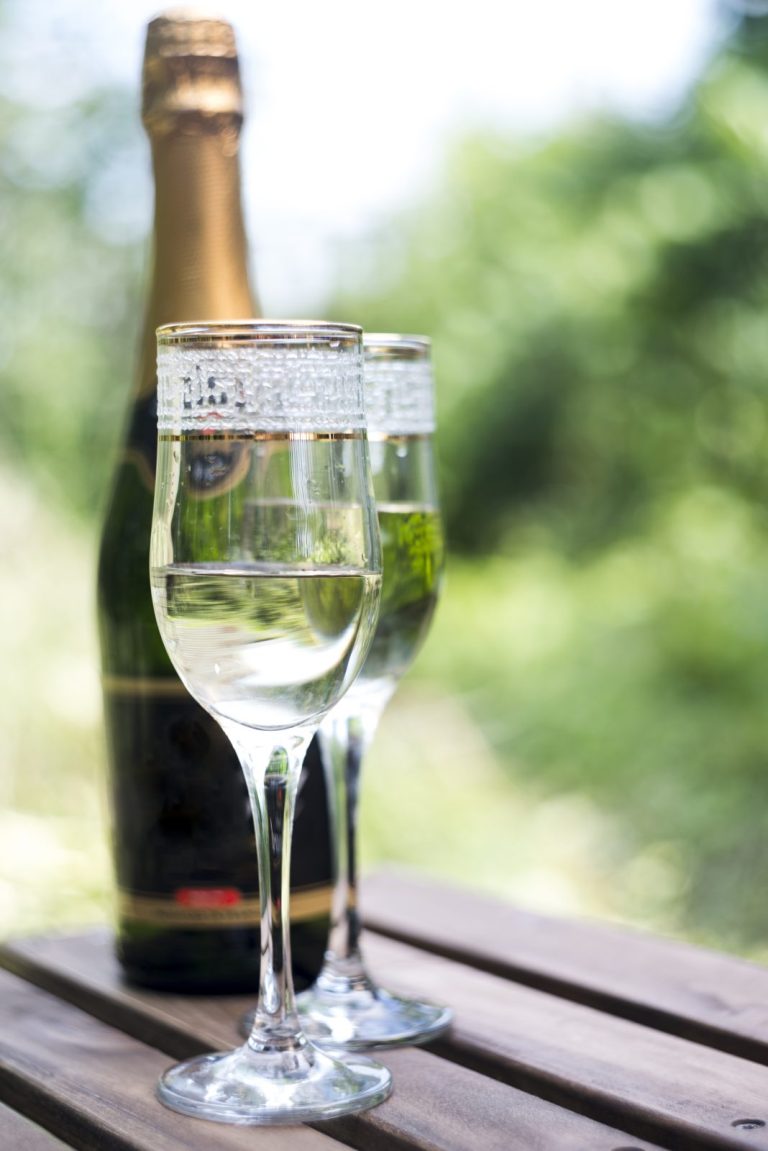
The short version: a Heuriger is a Viennese wine tavern where a grower serves their own new wine straight from the barrel with a cold buffet – informal, cheap and deeply local. A bundle of pine branches hung over the door (“ausg’steckt”) means it is open. The classic ones are in the vineyard villages on the edge of the city: Grinzing, Nussdorf, Neustift and Stammersdorf. Below is how it works and how to do it right.
At a glance
| What | Detail |
|---|---|
| What it is | A grower’s own-wine tavern with a cold buffet |
| “Heuriger” | Also means the young wine of the latest vintage |
| Open sign | A pine branch bundle over the door – “ausg’steckt” |
| Where | Grinzing, Nussdorf, Neustift, Stammersdorf, Sievering |
| Order wine by | The Viertel (¼ litre) or Achterl (⅛ litre) |
What “Heuriger” actually means
The word does double duty. Heuriger is the young wine of the most recent harvest – heurig means “this year’s” – and it is also the tavern licensed to sell it. Under Austria’s old Buschenschank rules, a Heuriger may serve only its own wine and a cold buffet, not a full restaurant menu, which is exactly why the food is simple and the wine is the point. Vienna is unique among great capitals in having working vineyards inside the city, and the Heuriger is where you drink what they make.
How to know one is open
Traditionally a Heuriger opens only when it has wine to sell, and signals it by hanging a bundle of pine or fir branches – a Buschen – over the door. This is called being ausg’steckt (“hung out”), and a small sign will say Ausg’steckt with the dates. Many now open year-round, but the branch over the door is still the emblem.
What to eat and drink
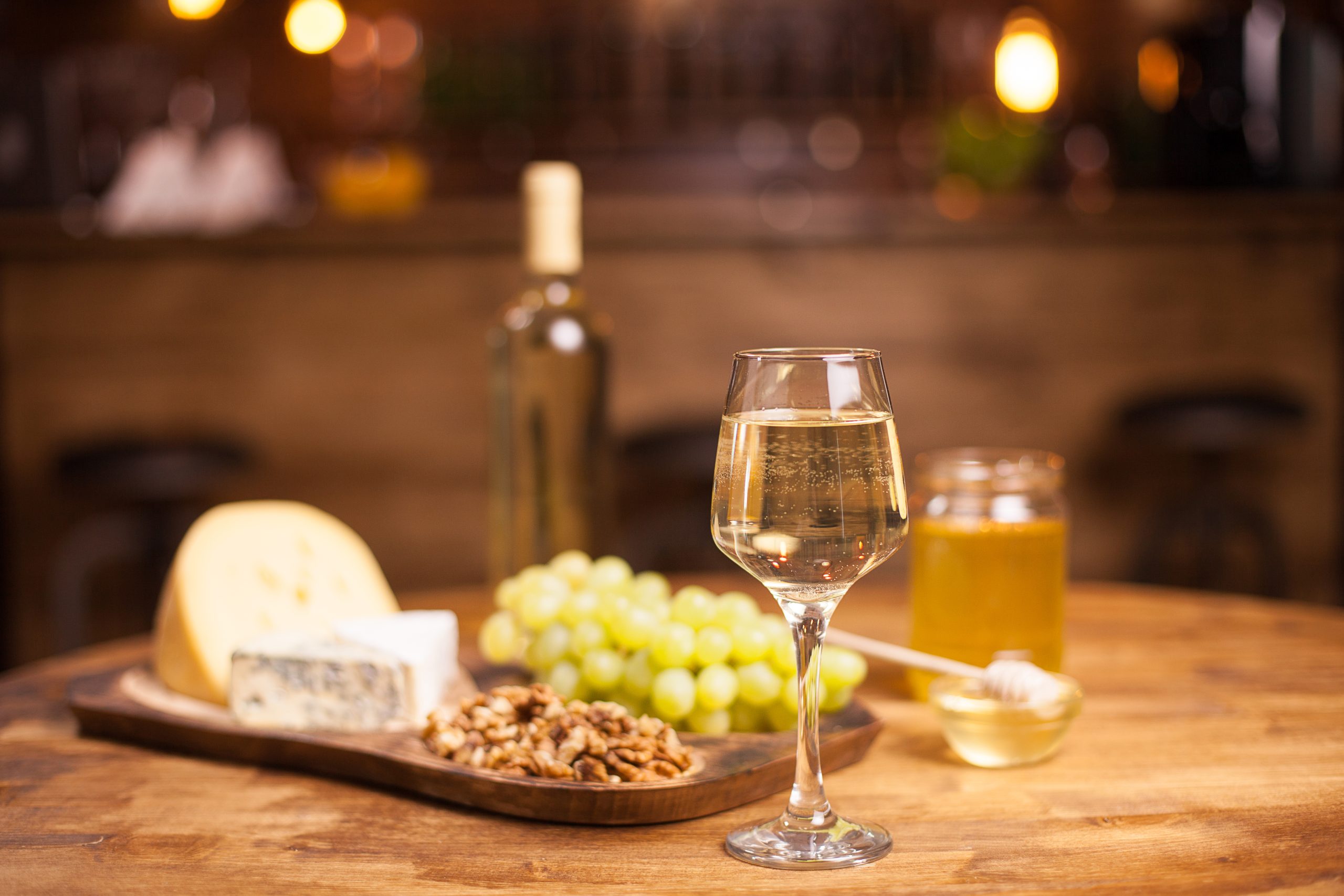
You queue at a buffet counter for cold food – Aufstriche (spreads like the paprika-cheese Liptauer), cold roast meats, Blunzn (blood sausage), Schmalzbrot, pickles and dark bread – and carry it to a bench, often in a garden. The wine comes by the Viertel (quarter litre) jug or the Achterl (eighth) glass: young Grüner Veltliner, Riesling, the field-blend Wiener Gemischter Satz, and in autumn cloudy Sturm, the half-fermented must. Some evenings bring Schrammelmusik, the accordion-and-violin Viennese folk music.
In December, swap the wine tavern for the stalls: see Vienna Christmas markets: what to eat and drink.
Frequently asked questions
What is the difference between a Heuriger and a Buschenschank?
They are essentially the same idea under the same law; “Heuriger” is the Viennese and Lower Austrian term, while “Buschenschank” is used in Styria and the countryside. Both serve the grower’s own wine with cold food.
Where are the best Heuriger in Vienna?
In the vineyard villages on the city’s edge – Grinzing and Nussdorf are the famous ones, Stammersdorf and Neustift the more local. A guided Heuriger tour takes you to authentic ones rather than the coach-tour versions.
What is Sturm?
The cloudy, half-fermented grape must sold in autumn, sweet and lightly fizzy and deceptively strong – a seasonal Heuriger speciality.
Where to find the real Heuriger
Drink Vienna’s own wine where it is made on our Vienna wine and Heuriger tours, pair it with the city’s food on a Vienna food tour, or plan the wider trip from the Austria hub.