Grüner Veltliner vs Riesling: Austria’s Two Great Whites
How Austria's two signature white wines differ - the peppery, food-friendly Grüner Veltliner and the racy, mineral, age-worthy Riesling - and where to taste them side by side.
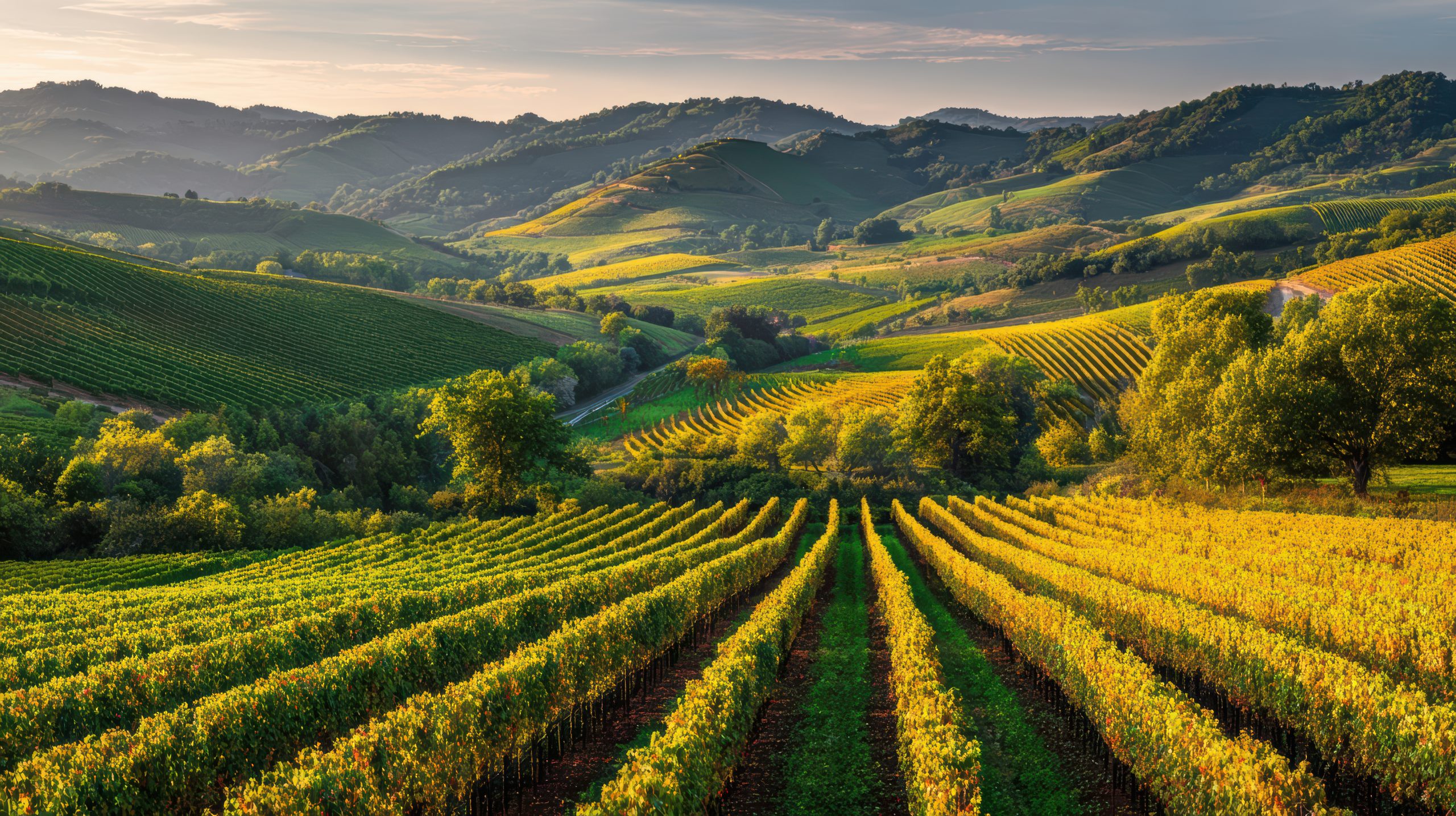
The short version: Grüner Veltliner is Austria’s own grape – dry, medium-bodied, peppery and green, the great all-rounder at the table – while Riesling here is racy, mineral and built to age, at its finest on the stony terraces of the Wachau. Both are almost always dry in Austria, and the best way to tell them apart is to taste them side by side on a wine day from Vienna. Below is how they differ and where to try them.
At a glance
| Grüner Veltliner | Riesling (Austrian) | |
|---|---|---|
| Style | Dry, medium-bodied, fresh | Dry, racy, mineral, age-worthy |
| Flavours | White pepper, green herbs, citrus, lentil | Peach, lime, stone, honey with age |
| Signature note | The “Pfefferl” – a peppery spice | Steely minerality and high acidity |
| Best regions | Wachau, Kamptal, Kremstal, Weinviertel | Wachau and Kamptal stone terraces |
| With food | Superbly versatile – even asparagus | Trout, schnitzel, spicy Asian food |
Grüner Veltliner: Austria’s grape
Grüner Veltliner is planted on about a third of Austria’s vineyards and grows almost nowhere else, which makes it the country’s calling card. Dry and medium-bodied, it tastes of citrus and green herbs with a distinctive twist of white pepper the Austrians call the Pfefferl, and sometimes a note of lentil or radish. It runs from bright, everyday “Smaragd”-lite bottles to concentrated, age-worthy wines from the best terraces, and it is one of the most food-friendly whites in the world – it even handles asparagus and artichoke, which defeat most wines.
Riesling: racy and built to age
Riesling is the other great Austrian white, and here it is almost always dry, unlike much of German Riesling. It wants the steepest, stoniest sites – the primary-rock terraces of the Wachau and Kamptal – where it makes taut, mineral wines of peach and lime with a thread of high acidity that lets them age for a decade or more. If Grüner is the generous all-rounder, Riesling is the precise, slow-burning one.
How to tell them apart in the glass
Poured blind, Grüner usually shows rounder and greener, with that peppery lift; Riesling shows tighter and stonier, with more obvious citrus and a longer, more mineral finish. In the Wachau both are graded by ripeness – light Steinfeder, classic Federspiel and powerful Smaragd – so compare like with like. Serve both cold but not icy (around 10°C), a little warmer for the richer Smaragd bottles.
For Austrian Sauvignon Blanc, head south: Styria wine tours.
Just south of Austria, see our Slovenia wine tours from Ljubljana.
Frequently asked questions
Which is better, Grüner Veltliner or Riesling?
Neither – they do different jobs. Grüner is the versatile, food-friendly everyday white; Riesling is the more mineral, age-worthy one. Austria’s wine regions make both brilliantly.
Is Austrian Riesling sweet like German Riesling?
Usually not. Austrian Riesling is typically bone dry, where German Riesling is more often off-dry or sweet. Read the label, but assume dry in Austria.
Where can I taste them both?
On a Wachau wine tour from Vienna, or in the city’s own Heuriger taverns and tasting rooms, where flights let you compare them side by side.
Where to taste Austria’s great whites
Compare Grüner Veltliner and Riesling at the source on our Wachau wine tours, in Vienna’s Heuriger wine taverns, or across the country from the Austria hub.