Amarone vs Ripasso vs Valpolicella Explained
The three Valpolicella reds explained: light everyday Valpolicella, richer "baby Amarone" Ripasso, and the powerful dried-grape Amarone - how each is made, what it tastes like and when to drink it.
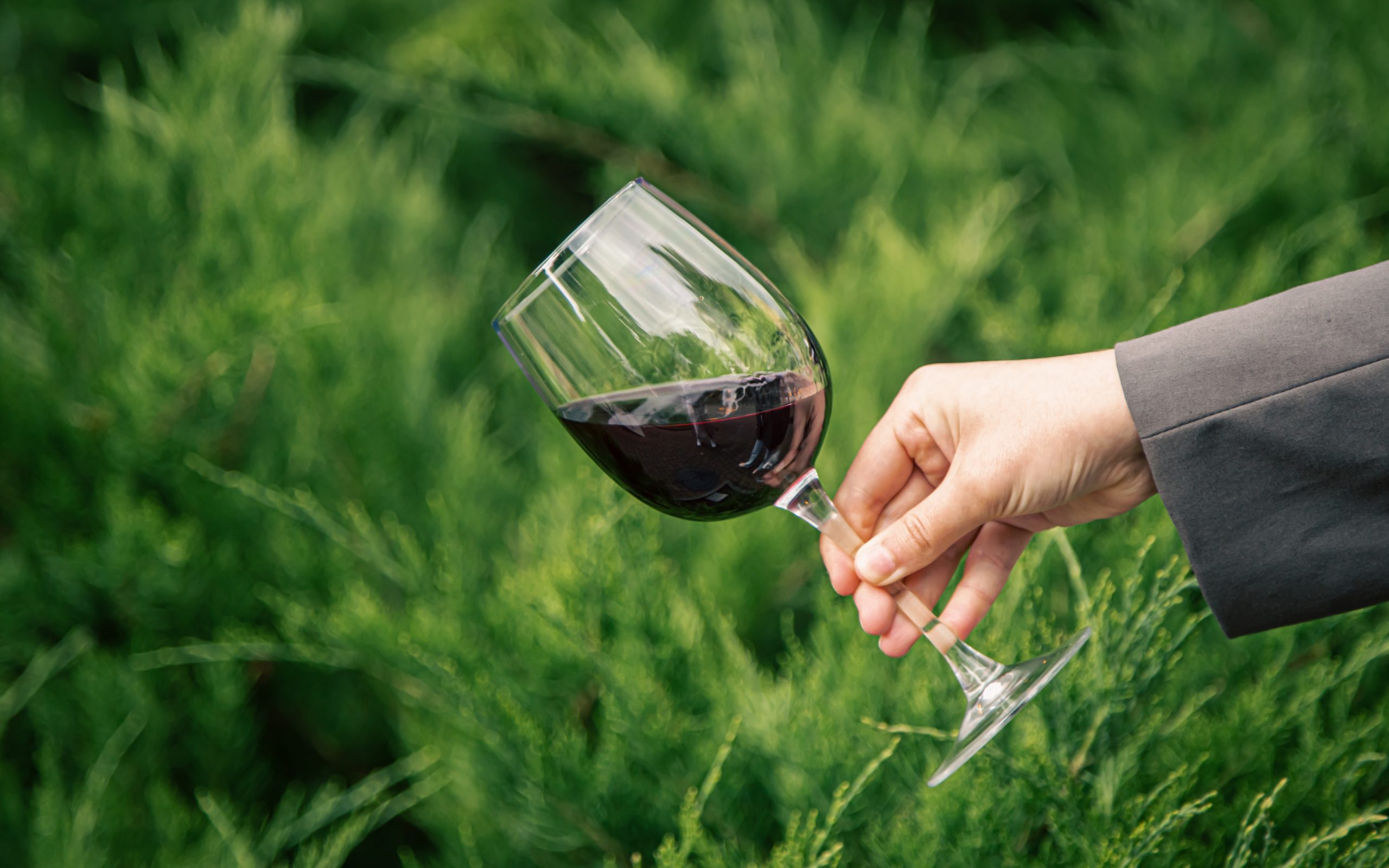
The short version: these are three steps up one ladder, all made near Verona from the same grapes. Valpolicella is the light, fresh everyday red; Ripasso is richer, re-fermented on the skins of dried grapes; and Amarone is the powerful, expensive one made entirely from grapes dried for months. Same family, very different wines and prices. Below is how each is made and when to drink it.
Taste it in Valpolicella
Want to taste all three at the winery?
Our top pick is the Amarone Half-Day Wine Tasting Tour from Verona: a 3.5-hour tasting trip into Valpolicella, rated 4.8 from 151 reviews on GetYourGuide.
At a glance
| Wine | How it’s made | Style & occasion |
|---|---|---|
| Valpolicella | Fresh grapes, light vinification | Light, cherry, everyday – chill slightly |
| Ripasso | Re-fermented on Amarone/Recioto skins | Medium-full, “baby Amarone”, great value |
| Amarone | Grapes dried for months, then pressed | Powerful, ~15-16%, special occasion |
| Recioto | Dried grapes, fermentation stopped early | Sweet – the region’s dessert red |
The grapes and the trick
All four come from the Valpolicella hills north of Verona, from the same local grapes – Corvina, Rondinella and Molinara. What separates them is appassimento: the technique of drying the grapes on racks for months after harvest, so they lose water and concentrate their sugar and flavour. How much a wine uses that dried fruit is what moves it up the ladder from Valpolicella to Amarone.
Valpolicella and Ripasso
Valpolicella is the base: fresh grapes, made light and bright, all sour cherry and almond, best served slightly cool as an easy everyday red. Ripasso takes that wine and re-ferments it on the leftover skins of the Amarone and Recioto grapes – the name means “re-passed” – which pulls extra colour, body and warmth into it. The result is a richer, medium-full red nicknamed “baby Amarone”, and it is one of the best-value reds in Italy.
Amarone and Recioto
Amarone della Valpolicella is the grand one: made entirely from dried grapes, fermented fully dry, it is deep, powerful and high in alcohol (often 15-16%), tasting of dried cherry, fig, chocolate and spice, and it ages for many years. It is a special-occasion wine with a price to match. Its sweet sibling is Recioto della Valpolicella – the same dried grapes, but fermentation is stopped early to leave sugar, making the region’s rich dessert red. (Amarone, the story goes, was born when a barrel of Recioto was left to ferment “by mistake” all the way to dry.)
Taste them in place on a Verona food and wine tour.
Lighter wines from the same grapes are 20 minutes away: Lake Garda wine tours.
Taste Amarone in the hills: see Valpolicella wine tours from Verona.
Frequently asked questions
What is the difference between Amarone and Ripasso?
Amarone is made entirely from grapes dried for months, making it powerful and expensive; Ripasso is ordinary Valpolicella re-fermented on the Amarone skins for extra richness at a fraction of the price.
Is Amarone sweet?
No – despite being made from dried grapes, Amarone is fermented fully dry. The sweet version from the same dried grapes is called Recioto.
Which should I buy?
Valpolicella for an easy weeknight red, Ripasso for the best value with a meal, and Amarone for a special bottle. Taste them in order on a Valpolicella wine tour.
Where to taste them
Visit the cellars and the drying lofts on our Valpolicella wine tours from Verona, or plan the trip from the Verona and Valpolicella hub.
Recommended experiences to book
More guides
- Sorrento or Positano? Where to Base Yourself on the Amalfi Coast for Cooking Classes and Food
- Neapolitan vs Roman Pizza: What’s the Difference, and Where to Learn Each
- The Best Wine Tours in Italy: Regions, Day Trips & What to Taste
- Italy Food & Wine Calendar: What to Eat and Drink, Month by Month
- Parmigiano, Balsamic and Prosciutto Tours: From Bologna, Parma or Modena?