4 Days in Porto and the Douro Valley for Food and Wine: A Suggested Itinerary
The short version: four days is enough to do Porto and the Douro Valley properly. Spend two days in Porto eating francesinhas and bifanas, learning to make pastéis de nata and tasting in the port lodges across the river in Vila Nova de Gaia, then head upriver for two days among the steep terraced vineyards of the Douro, ideally with a night at a quinta. Below is a loose shape for the trip, with the experiences worth booking.
A note on how to use this: these are suggestions and options, not a day-by-day timetable. Tours, tastings, cellar visits and cooking classes usually need booking, and market days, opening hours, train and bus timetables and prices change through the year, so treat the days as a flexible outline and confirm anything time-sensitive directly with the operator or venue before you travel.
At a glance
| Day | The idea | Worth booking |
|---|---|---|
| Day 1 | Porto: market, sandwiches and the old town | A Porto food tour |
| Day 2 | Port lodges in Gaia, plus a pastel de nata class | A port wine tour, a nata class |
| Day 3 | Into the Douro Valley: quintas and a river cruise | A Douro Valley wine tour |
| Day 4 | A slow Douro morning, then back to Porto | A second quinta, or a train ride along the river |
| Best base | Porto for two or three nights; one night at a Douro quinta if you can | |
| Getting around | Porto on foot; the Douro by tour, train or a careful drive |
Day one: Porto
Start at the Mercado do Bolhão, Porto’s historic market, for cheeses, cured meats, salt cod and pastries. Then work through the city’s famously hearty sandwiches: the francesinha, layers of meat and cheese under a beer-and-tomato sauce, and the bifana, thin pork in a garlicky sauce on a soft roll, plus the slow-roasted pork of a sandes de pernil. Porto locals are called tripeiros after their tripas à moda do Porto, a bean and tripe stew, if you are feeling brave. A Porto food tour through the Ribeira and the centre is the easiest way to taste it all, with a glass of vinho verde along the way. See what to eat in Porto for the full list.
Day two: the port lodges and a pastry class
Cross the Dom Luís I bridge to Vila Nova de Gaia, where the port houses have aged their wine in riverside lodges for centuries. A cellar tour explains how port is made and aged, and the tastings take you from fruity ruby to nutty tawny, white port and, sometimes, vintage. Browse the Porto port wine tours, and read port wine explained beforehand. In the afternoon, roll up your sleeves at one of the pastel de nata classes and learn to make Portugal’s custard tart; our pastel de nata guide tells its story.
Day three: into the Douro Valley
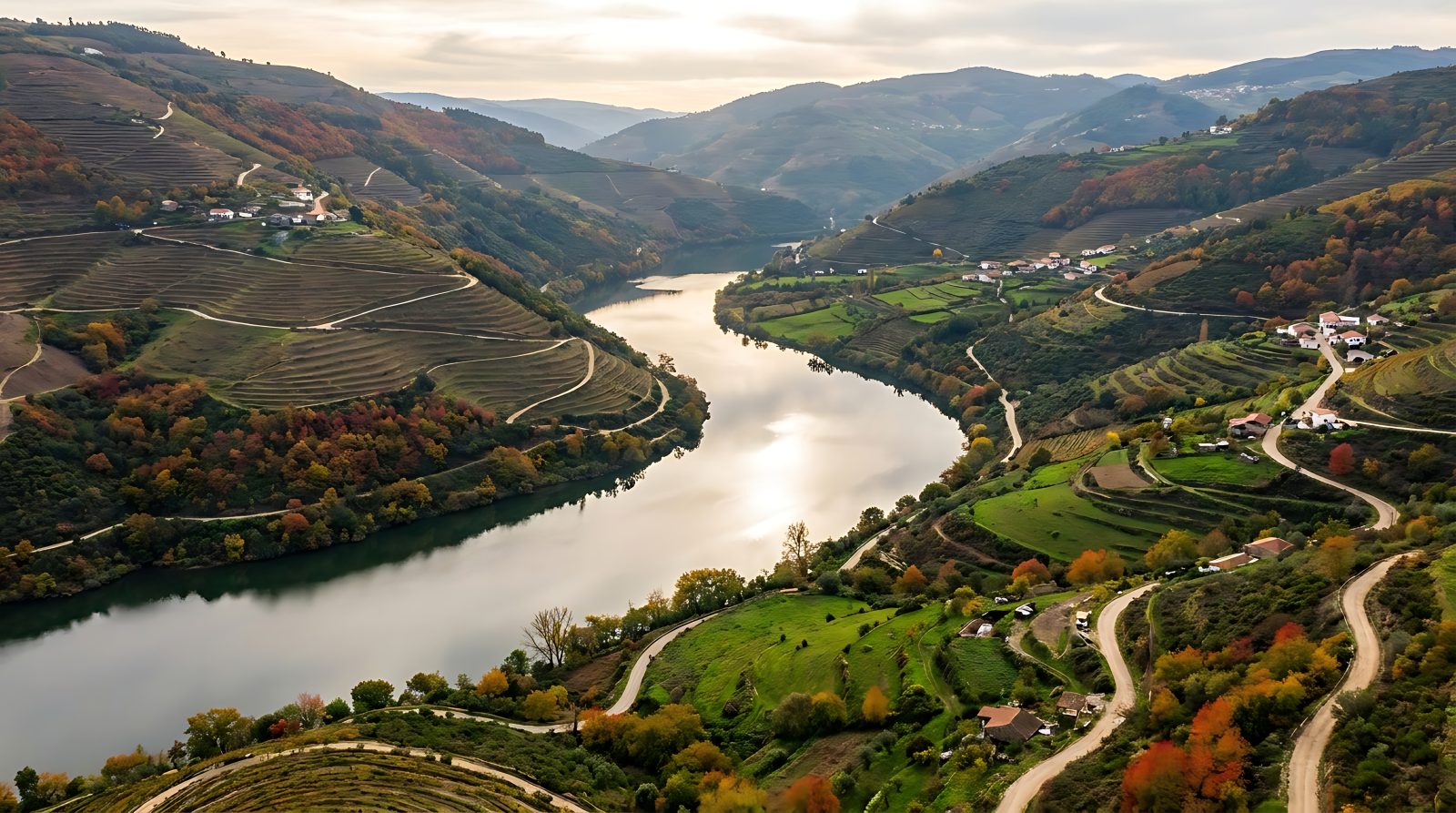
The Douro Valley, where port and some of Portugal’s best dry reds and whites come from, is one of the most dramatic wine regions in the world: hillsides cut into terraces that fall straight to the river. Around Pinhão and Peso da Régua, family quintas offer tastings of both port and Douro table wines, often with lunch looking over the vines. The relaxed way to do it is a Douro Valley wine tour from Porto, which usually combines two or three quintas, lunch and a short river cruise, so nobody has to drive after tasting. Our Douro Valley day trip from Porto guide compares the options.
Day four: a slow Douro morning
If you stay overnight at a quinta or in Pinhão, you get the valley at its quietest: early-morning mist on the river and a second winery visit before lunch. A good alternative is the scenic Douro railway line, which follows the river from Porto towards Pinhão and beyond and is a pleasure in itself; check the current timetable. Then head back to Porto for a last dinner, perhaps grilled fish in the seaside district of Matosinhos.
Where to base yourself, and how to travel it
Stay in Porto for two or three nights; the centre is compact and hilly but walkable. For the Douro, choose between an organised day trip (simplest, and safe for tasting), the train along the river, or a car, remembering that the roads are winding and you shouldn’t drive after tastings. A night at a quinta is worth it if your budget allows. The harvest, from mid-September into early October, is the most exciting time to visit, with grape-picking and, at some quintas, foot treading; spring is green and quieter. For the wider country, see the best food and wine in Portugal and the Porto hub.
Frequently asked questions
How many days do you need for Porto and the Douro Valley?
Four days works well: two in Porto for food and port lodges, and two for the Douro, with a night in the valley. With three days, do two in Porto and one Douro day trip.
Can you visit the Douro Valley as a day trip from Porto?
Yes. The most popular way is an organised day tour that includes two or three quinta tastings, lunch and a short river cruise. The valley is about two hours from Porto, so a day trip is long but very doable.
When is the best time to visit the Douro Valley?
The harvest from mid-September to early October is the highlight. Late spring is also lovely and quieter. Summer is hot in the valley.
What should you eat in Porto?
The francesinha sandwich, bifanas, sandes de pernil, tripas à moda do Porto, salt cod dishes and pastéis de nata, with port, vinho verde or Douro wine.
Plan your Porto and Douro trip
Book a Porto food tour, a port wine tour, a pastel de nata class or a Douro Valley wine tour, or see everything on the Portugal hub.
Recommended experiences to book
More guides
- What to Eat in Lisbon: Local Dishes, Where Locals Eat & the Best Food Tours
- What to Eat in Porto: Local Dishes, Where Locals Eat & the Best Food Tours
- Pastel de Nata Explained: Portugal’s Custard Tart
- 3 Days in Lisbon for Food & Wine: A Flexible Itinerary
- Lisbon Cooking Classes: Pastéis de Nata & Petiscos