French Cheese Explained: Types, Board & Pairings
French cheese explained: the families - fresh, bloomy-rind (Brie, Camembert), washed-rind, pressed (Comté), blue (Roquefort) and goat (chèvre) - how to build a balanced board, which wines to pair, and when the French eat cheese.
The short version: France has hundreds of cheeses across a handful of families – fresh, bloomy-rind (Brie, Camembert), washed-rind (the pungent ones), pressed (Comté, Cantal), blue (Roquefort) and goat (chèvre). Build a balanced board, pair with the right wine, and eat cheese the French way: after the main, before dessert.
At a glance
| Family | Examples |
|---|---|
| Fresh | Fromage blanc, fresh chèvre |
| Bloomy rind | Brie de Meaux, Camembert |
| Washed rind | Époisses, Munster, Pont-l’Évêque (pungent!) |
| Pressed / hard | Comté, Cantal, Beaufort |
| Blue | Roquefort, Bleu d’Auvergne |
The families of French cheese
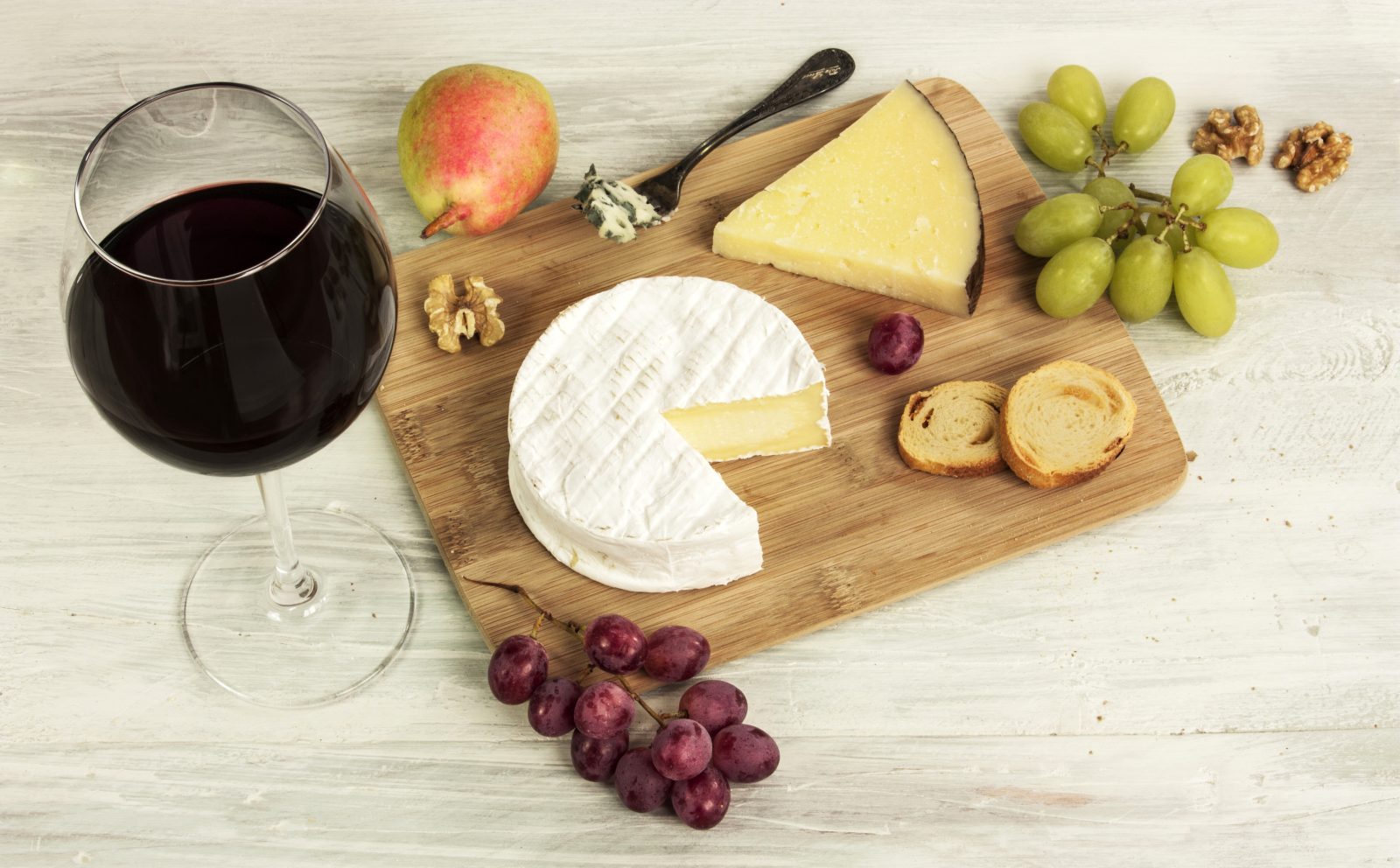
Charles de Gaulle asked how you govern a country with 246 cheeses; the real number is higher. They divide into families by how they’re made: fresh (young, tangy), bloomy-rind soft cheeses with a white bloom (Brie de Meaux, Camembert), washed-rind cheeses whose orange crusts hide the most pungent flavours (Époisses, Munster), firm pressed mountain cheeses (Comté, Beaufort, Cantal), blues (Roquefort, made from ewe’s milk in caves), and chèvre (goat, from fresh logs to aged crottins). Many carry an AOP, protecting where and how they’re made.
Building a board and pairing wine
For a board, pick three to five across families – say a chèvre, a Brie, a Comté and a Roquefort – and eat from mild to strong. On wine: crisp whites (a Sancerre) love goat’s cheese; nutty Comté suits a white Burgundy or vin jaune; blues want something sweet (Sauternes with Roquefort is classic); and Champagne cuts through a triple-crème. Do it properly on a Paris cheese and wine tasting, and note the French eat cheese after the main and before dessert. See more in what to eat in Paris.
Frequently asked questions
What are the main types of French cheese?
Fresh, bloomy-rind (Brie, Camembert), washed-rind (Époisses, Munster), pressed/hard (Comté, Cantal), blue (Roquefort) and goat (chèvre) – the families defined by how each cheese is made.
What wine goes with French cheese?
Crisp whites like Sancerre with goat’s cheese, white Burgundy with Comté, sweet wine (Sauternes) with blue cheese, and Champagne with creamy bloomy-rind cheeses. Many boards also work with a light red.
When do the French eat cheese?
Traditionally after the main course and before (or instead of) dessert – not as a starter or snack.
Taste French cheese
Book a Paris cheese & wine tasting or a food tour, read what to eat in Paris, and plan from the France hub.