Limoncello Explained: The Amalfi Coast’s Lemon Liqueur
What is limoncello? Southern Italy's lemon liqueur - the zest of fragrant Amalfi and Sorrento IGP lemons steeped in alcohol and sweetened with sugar syrup, served ice-cold as a digestivo. How it's made, the lemons behind it, how to drink it, and where to make your own.
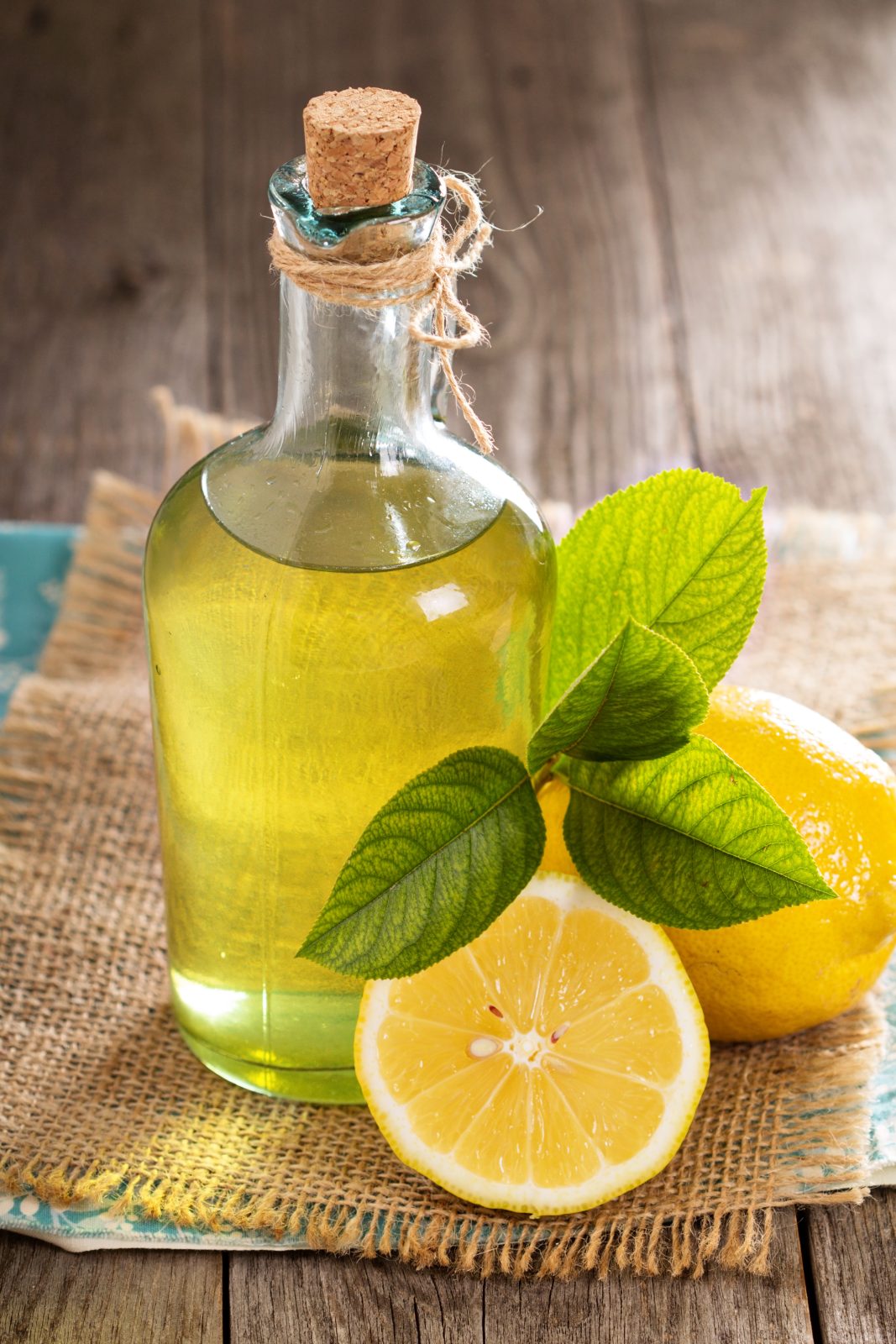
The short version: limoncello is southern Italy’s lemon liqueur – the peel of big, fragrant Amalfi and Sorrento lemons steeped in neutral alcohol until it turns bright yellow, then sweetened with sugar syrup. It’s served ice-cold in a small glass as a digestivo after dinner, and it’s made all along the Amalfi Coast, Sorrento and Capri.
At a glance
| Question | Answer |
|---|---|
| What it is | Lemon-peel liqueur – alcohol, lemon zest, sugar and water |
| The lemons | Sfusato Amalfitano and Sorrento IGP – big, thick-skinned, fragrant |
| Strength | Around 25-30% alcohol |
| How to serve | Ice-cold, in a small chilled glass, as a digestivo |
| Where | Amalfi Coast, Sorrento, Capri and across Campania |
What limoncello actually is
Limoncello is made from just four things: lemon peel, alcohol, sugar and water. Only the yellow zest is used – never the bitter white pith – steeped in neutral spirit for days or weeks until the alcohol draws out the oils and turns a vivid yellow. That infusion is then blended with a sugar syrup, which softens it and gives the cloudy, silky texture. There’s no juice and no cooking; the whole flavour comes from the fragrant oils in the peel, which is why the lemons matter so much.
The lemons behind it
The coast’s lemons are a different animal from supermarket ones: the Sfusato Amalfitano and the Ovale di Sorrento (both IGP-protected) are large, thick-skinned, gnarled and intensely aromatic, grown on terraced groves under chestnut-pole pergolas above the sea. Their thick peel is rich in the oils that make a good limoncello sing. You’ll see the same lemons everywhere on the coast – in granita, over fish, and in delizia al limone, Sorrento’s lemon-cream dessert.
How to drink it – and make it
Serve limoncello ice-cold: keep the bottle in the freezer and pour it into a small chilled glass as a digestivo after dinner. It’s also lovely over lemon granita or a scoop of gelato, or in a spritz. Skip the sugary mass-market bottles and look for artisan ones made with coast lemons. Better still, make your own: many Amalfi Coast cooking classes include a limoncello session, and you take a bottle home. For the rest of the coast’s food, see what to eat on the Amalfi Coast and Sorrento.
Frequently asked questions
What is limoncello made from?
Lemon peel (zest only, not the pith), neutral alcohol, sugar and water. The zest is steeped in alcohol until it turns yellow, then blended with a sugar syrup – there’s no lemon juice and no cooking.
How do you drink limoncello?
Ice-cold in a small chilled glass as a digestivo after a meal. It’s also served over lemon granita or gelato, or used in a spritz. Keep the bottle in the freezer.
Which lemons are used for limoncello?
The big, thick-skinned, fragrant IGP lemons of the region – the Sfusato Amalfitano from the Amalfi Coast and the Ovale di Sorrento – whose oil-rich peel gives limoncello its flavour.
Taste and make limoncello
Make your own in an Amalfi Coast cooking class, or plan the trip from the Amalfi Coast hub.
Recommended experiences to book
More guides
- 3 Days on the Amalfi Coast for Food & Wine: A Flexible Itinerary
- The Four Roman Pastas Explained: Cacio e Pepe, Carbonara, Amatriciana and Gricia
- Umbria Wine Tours: Montefalco Sagrantino, Orvieto & Torgiano
- The Best Cooking Classes in Italy: Pasta, Pizza & Regional Classics
- Lecce Food Tours: Pasticciotto, Rustico & Salento Street Food