Tuscan Dishes Explained: A Regional Food Guide
Tuscan dishes explained: bistecca alla fiorentina, the bread soups ribollita and pappa al pomodoro, pici and pappardelle al cinghiale, lampredotto, pecorino and cantucci with Vin Santo - the cucina povera classics and the Sangiovese wines to drink.
The short version: Tuscan food is cucina povera – “poor cooking” raised to an art, built on bread, beans, olive oil and simply grilled meat. Know bistecca alla fiorentina, the bread soups ribollita and pappa al pomodoro, pici and pappardelle al cinghiale, lampredotto, pecorino and cantucci with Vin Santo. Drink Sangiovese in all its forms.
Taste it in Florence
Want to try these dishes with a local?
Our top pick is the Florence Street Food Tour with Wine: a 2.5-hour street food walk with a local guide and wine, rated 4.8 from 1,951 reviews on GetYourGuide.
At a glance
| Dish | What it is |
|---|---|
| Bistecca alla fiorentina | The great charred T-bone steak, sold by weight |
| Ribollita | Reboiled bread, bean and black-cabbage soup |
| Pici / pappardelle al cinghiale | Hand-rolled pasta / ribbons with wild-boar ragù |
| Lampredotto | Florence’s tripe street-food sandwich |
| Cantucci & Vin Santo | Almond biscuits dipped in sweet wine |
Bread, beans and the fire
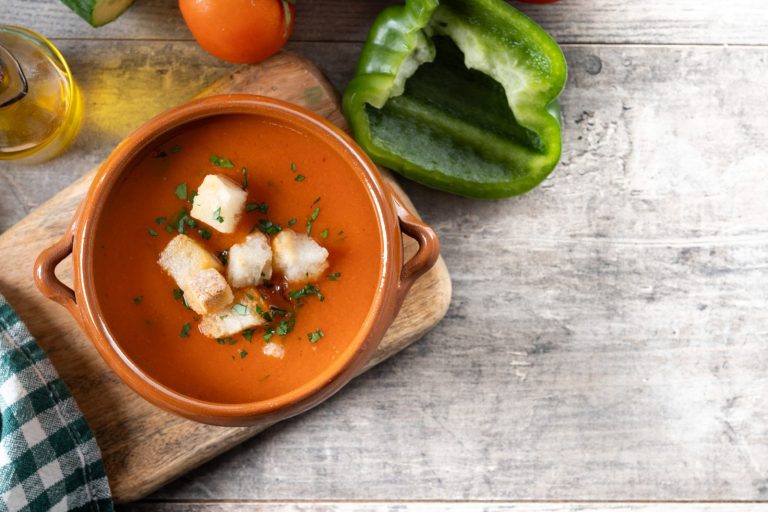
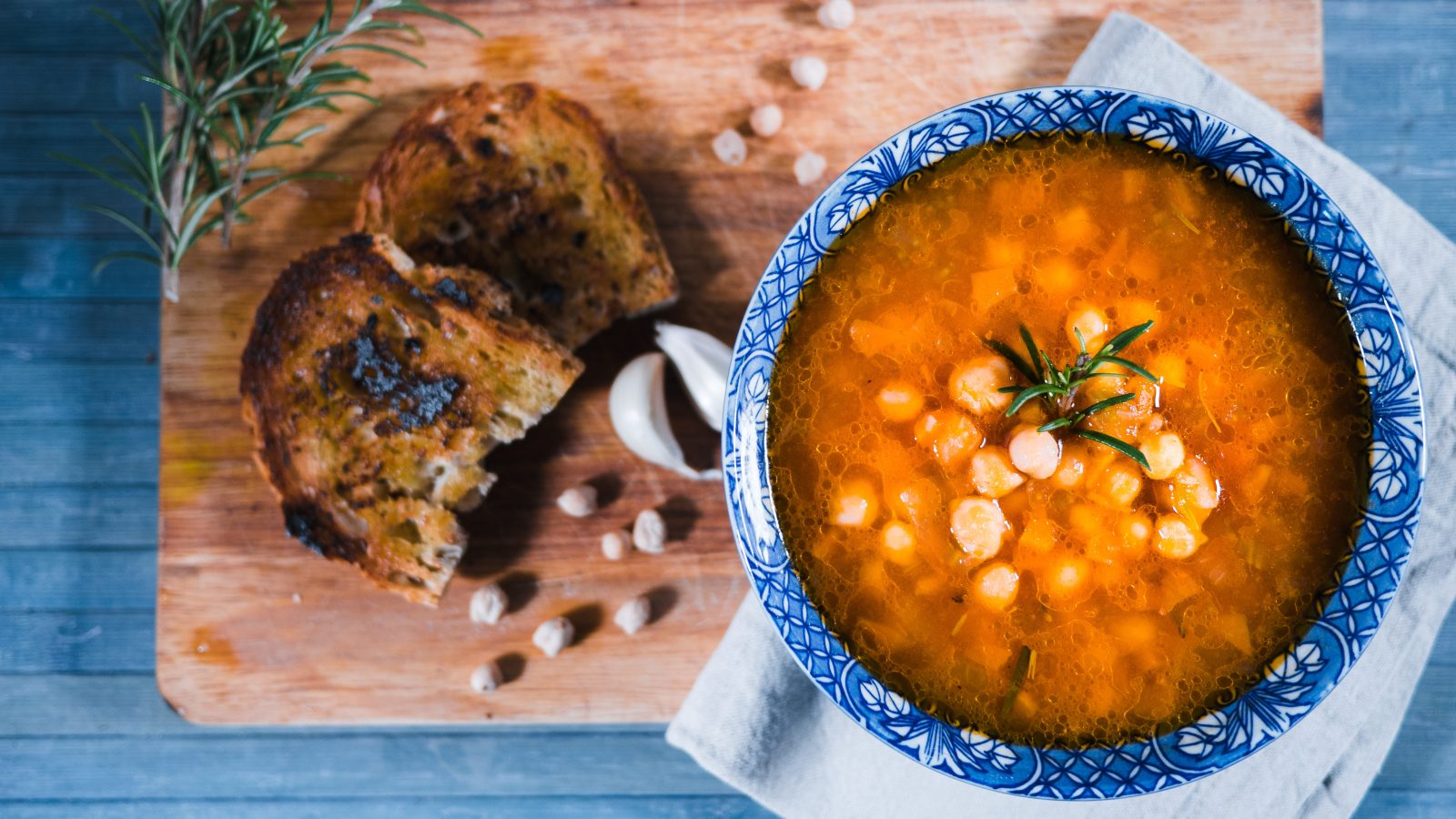
Tuscans are nicknamed mangiafagioli, “bean-eaters”, and the food shows it. Ribollita is the emblem – a thick soup of bread, cannellini beans and cavolo nero (black cabbage), boiled, rested and reboiled; pappa al pomodoro is its tomato-and-bread cousin, and panzanella the summer bread salad. Bread here is famously unsalted (pane sciocco), made to soak up soups and sauces. Over the fire comes the star: bistecca alla fiorentina, the thick T-bone grilled rare over embers (our bistecca guide explains it).
The pasta, the pork and the street food
Tuscan pasta is rustic: pici, thick hand-rolled noodles from the south of the region, and pappardelle, wide ribbons, both classic with cinghiale (wild-boar) ragù or a duck sugo. Antipasti mean crostini toscani (chicken-liver toasts) and salumi – finocchiona, the fennel salami. And Florence’s great street food is offal done gloriously: lampredotto and trippa (tripe), slow-cooked and served in a bun. See what to eat in Florence for the city’s plates, and taste them on a Florence food tour.
Cheese, sweets, oil and wine
Tuscany’s cheese is pecorino, the sheep’s-milk classic – the version from Pienza in the Val d’Orcia is the most famous, eaten fresh or aged with honey or pear. For dessert, cantucci (almond biscuits) dipped in Vin Santo is the ritual. The region’s olive oil is peppery and green, poured over almost everything. And the wine is Sangiovese in its glory – everyday Chianti, grand Brunello di Montalcino, elegant Vino Nobile di Montepulciano, plus Vernaccia whites from San Gimignano; our Tuscan wine route and Chianti vs Montalcino guides cover them. Taste it all on a Tuscany food tour or a wine tour.
In autumn, add a hunt: see truffle hunting in Tuscany.
Frequently asked questions
What food is Tuscany known for?
Bistecca alla fiorentina, the bread soups ribollita and pappa al pomodoro, pici and pappardelle al cinghiale, crostini toscani, lampredotto street food, pecorino cheese, and cantucci with Vin Santo – with Sangiovese wines throughout.
What is cucina povera?
“Poor cooking” – the Tuscan tradition of making delicious food from humble, frugal ingredients like stale bread, beans, vegetables and olive oil, seen in dishes such as ribollita, pappa al pomodoro and panzanella.
What wine goes with Tuscan food?
Sangiovese in its many forms: everyday Chianti with most meals, Chianti Classico or Brunello di Montalcino with bistecca and rich meats, Vino Nobile di Montepulciano, and Vernaccia di San Gimignano for whites.
Taste Tuscany
Explore from the Tuscany hub: a food tour, a Chianti or wider Tuscan wine tour, or a cooking class.
Recommended experiences to book
More guides
- Florence or Siena: Where to Base Yourself for Tuscany’s Food and Wine
- What to Eat in Catania: Pasta alla Norma, Granita and Etna
- White Truffle vs Black Truffle, Explained
- Lake Como: Varenna or Bellagio? Where to Stay for Food, Cooking Classes and Easy Ferries
- What to Eat in Venice: Local Dishes, Where Locals Eat & the Best Food Tours