What to Eat in Barcelona: Local Dishes, Where Locals Eat & the Best Food Tours
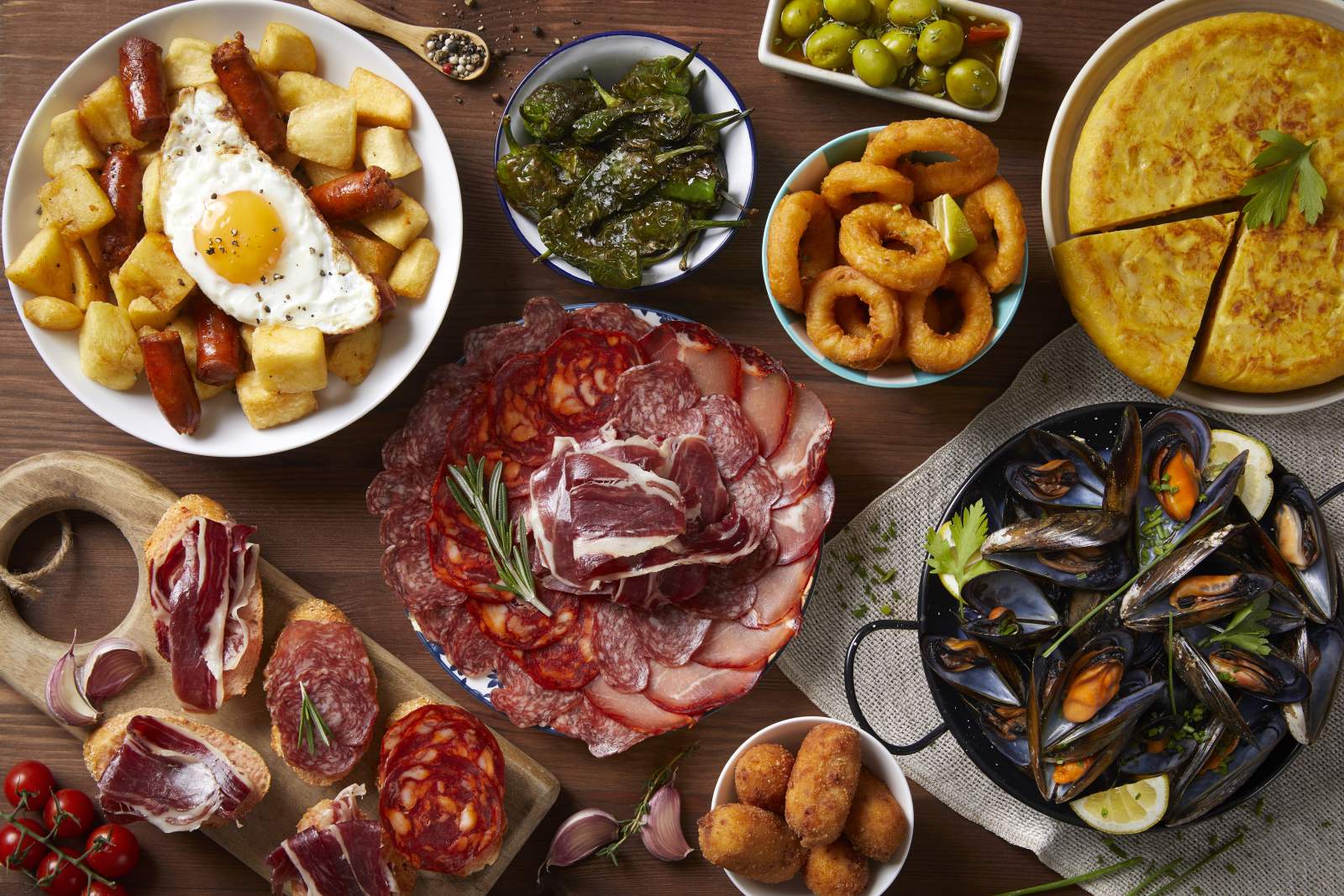
The short version: in Barcelona, eat tapas the Catalan way: pa amb tomàquet (bread rubbed with tomato), patatas bravas, a bomba (the city’s meat and potato croquette, said to have been invented in Barceloneta), chipirones with fried eggs at a market counter, and crema catalana to finish. For tapas, start at Cal Pep in El Born, have breakfast at El Quim de la Boqueria, and eat the original bomba at La Cova Fumada. Drink vermut before lunch and cava with everything. And if you only have a day or two, a guided tapas tour is the shortcut to the right bars. Below: what to eat, exactly where to eat it, neighbourhood by neighbourhood, what to drink, and the food experiences worth booking.
Book a Barcelona food tour
Short on time? Let a local walk you to the right places.
Ready to book? Compare Barcelona flamenco shows with dinner & tapas, with ratings and prices.
Our top pick is the Food Tasting Tour: Tapas, Wine and Vermouth: 3 hours, rated 4.8 from 5,498 reviews on GetYourGuide.
What to eat in Barcelona, and where to eat it
| Dish | What it is | Where to eat it in Barcelona |
|---|---|---|
| Bomba | A ball of mashed potato filled with spiced minced meat, fried and topped with garlic mayonnaise and chilli sauce | La Cova Fumada, which claims to have invented it; Bar Electricitat |
| Pa amb tomàquet | Toasted bread rubbed with ripe tomato, olive oil and salt, served with almost everything | Bar Cañete (its tomato flatbread is famous) |
| Patatas bravas | Fried potatoes with a spicy sauce, often with allioli as well | Bar Ocaña and El Sortidor de la Filomena Pagès (both prize-winners at Bravas Fest 2026); Bodega Joan |
| Chipirones con huevos | Baby squid with fried eggs, a market-counter breakfast | El Quim de la Boqueria |
| Arròs negre and fideuà | Black rice cooked in squid ink; fideuà is the same idea made with short noodles | Can Ramonet; Can Solé for seafood rice |
| Botifarra amb mongetes | Catalan pork sausage with white beans | Can Culleretes; Cal Pep |
| Montaditos | Small open sandwiches with conservas, cured fish or steak tartare | Quimet & Quimet; Paco Meralgo (steak tartare) |
| Anchovies and conservas | Salted anchovies and top-quality tinned seafood, the classic partner for vermut and cava | El Xampanyet; Bar La Plata (fried whole anchovies) |
| Cap i pota | Slow-cooked calf’s head and trotters, the old Barcelona bar stew | Kiosko Universal; Bar Canyí |
| Crema catalana | Custard with a burnt sugar crust, flavoured with lemon and cinnamon | Can Culleretes |
Where to eat in Barcelona
Barcelona eats late and in stages: a vermut and something salty around midday, lunch from about 13:00, and dinner from about 20:00, often later at weekends. The best tapas bars are in the old neighbourhoods, and many are counters where you stand or wait for a stool. Walk a street or two away from La Rambla and the Sagrada Família before you sit down.
Gothic Quarter and El Born
Cal Pep on Plaça de les Olles is the El Born classic: sit at the counter and let them feed you the trifásico of fried whitebait, squid and shrimp, wedge clams and botifarra with beans. The bar takes walk-ins and the small back room takes bookings; it is closed on Sundays. Around the corner on Carrer de Montcada, El Xampanyet has poured its house cava with anchovies and conservas since 1929; it takes no reservations, so go early. A few doors down, Bar del Pla is a modern tapas bar known for its crispy oxtail and a list of mostly natural wines. In the Gothic Quarter, Can Culleretes, open since 1786, calls itself the oldest restaurant in the city and serves Catalan classics: cannelloni, botifarra with beans, bacallà (salt cod) and crema catalana. Down by the port end of the old town, Bar La Plata on Carrer de la Mercè is a tiny, cheap bar with a very short menu: fried whole anchovies, tomato salad and a sausage pintxo. Next to the Santa Caterina market, Bar Super does razor clams, courgette-flower tempura and grilled botifarra for about 40 euros a head.
El Raval and La Boqueria
Inside La Boqueria, El Quim de la Boqueria has run its counter since 1987: order the baby squid with fried eggs, or eggs with wild mushrooms, and wait for a stool, as there are no reservations. It is closed on Mondays. Kiosko Universal, at the market since 1973, has 60 stools and cooks Catalan market food, grilled octopus, cap i pota and a seafood platter, for about 30 to 35 euros a meal. On the other side of La Rambla, Bar Cañete on Carrer de la Unió is listed in the Michelin Guide (Michelin listing) for top-quality products: steamed cockles, Carril clams, Santoña anchovies, fried El Prat artichokes and the famous tomato flatbread. It is in the higher price range. At the edge of El Raval, Bar Canyí on Carrer de Sepúlveda is an old-school bar for mussels in escabeche, meatballs, cap i pota and fricandó (beef stew), from 3.50 euros for a gilda to 15 for cuttlefish; it takes no bookings.
Barceloneta
The old fishermen’s quarter by the beach is the place for seafood and rice. La Cova Fumada on Carrer del Baluard is the family bar that claims to have invented the bomba, and it still serves the classic version. It keeps short daytime hours, so go at lunch and check before you go. Bar Jai-Ca on Carrer de Ginebra is the neighbourhood bar for Cantabrian anchovies and fried squid. Bar Electricitat on Carrer de Sant Carles disputes the bomba crown with its own big, very spicy version. For a sit-down rice, Can Ramonet on Carrer de la Maquinista cooks arròs negre, fideuà and seafood paella for about 25 to 40 euros, and Can Solé, founded in 1903, is the classic for seafood rice; book ahead.
Eixample
The grid of wide streets above Plaça de Catalunya is where Barcelona goes for a smarter tapas dinner. Paco Meralgo on Carrer de Muntaner is listed in the Michelin Guide (Michelin listing) at its lowest price level: the steak tartare montadito is the one to order, with rice at lunch and market fish. Gresca on Carrer de Provença, also in the guide (Michelin listing), serves small plates with a leaning to game and offal, with half portions so you can try more. Bodega Joan on Carrer del Rosselló is a no-frills neighbourhood bar for patatas bravas and calamari. Cerveseria Catalana on Carrer de Mallorca is a busy, polished tapas bar, and Bar Mut on Pau Claris does the steak tartare montadito, seafood and rice for a later, more expensive night.
Gràcia
Gràcia still feels like a village, with squares full of terraces and old bodegas for vermut. La Vermuteria del Tano on Torrent de les Flors pours vermut from the barrel with classic conservas. Bar Bodega Quimet, a much-loved old Gràcia bodega with wine barrels and bottles lining the walls, is the other classic stop for vermut and tapas.
Poble-sec and Sant Antoni
Quimet & Quimet on Carrer del Poeta Cabanyes is a standing-only bodega lined with bottles, famous for montaditos such as salmon with yogurt and truffled honey, conservas and vermut from the tap; it closes in August. Two streets away, Carrer de Blai is Barcelona’s pintxos street, where a pintxo costs about 2 euros: La Tasqueta de Blai keeps every pintxo at 2.50 euros or less, and Denassus at number 53 does huevos rotos (fried eggs over chips) with cecina, cured beef from León. El Sortidor de la Filomena Pagès, on Plaça del Sortidor, won the jury prize at Bravas Fest 2026. For a once-in-a-trip dinner, Enigma on Carrer de Sepúlveda holds two Michelin stars (Michelin listing) for creative cooking.
Quick picks
- Classic tapas dinner: Cal Pep in El Born, at the counter.
- Cheap and fast: pintxos on Carrer de Blai, or fried anchovies at Bar La Plata.
- Market breakfast: El Quim de la Boqueria, before the crowds.
- Best bomba: La Cova Fumada in Barceloneta.
- Seafood rice: Can Ramonet or Can Solé in Barceloneta.
- Special night: Disfrutar in the Eixample, which holds three Michelin stars (Michelin listing), or Enigma; book well ahead.
Names link to Google Maps for directions. We checked these places in October 2026. Opening days change, especially out of season, so check before you go.
The markets
La Boqueria on La Rambla is the famous one, open Monday to Saturday from 8:00 to 20:30. Walk past the fruit-juice stalls at the entrance to the fish, offal, mushroom and ham stalls deeper in, and eat at the counters, El Quim or Kiosko Universal. Go before 10:00 to see it working and to get a stool. Mercat de Santa Caterina, under its wave of a multicoloured roof on the edge of El Born, is where locals shop; it opens from 7:30, until mid-afternoon on most days and into the evening on some weekdays, so go in the morning. Mercat de Sant Antoni, the restored iron market in the neighbourhood of the same name, sells food Monday to Saturday from 8:00 to 20:30, and on Sunday mornings, from 8:30 to 14:00, its Mercat Dominical of second-hand books, comics and collectables, running since 1937, fills the streets around it.
What to drink in Barcelona
Vermut is the Barcelona aperitif: red vermouth from the barrel or the tap, with a splash of soda and a slice of orange, drunk between about 12:00 and 14:00, especially at weekends, with olives, crisps and conservas. In neighbourhood bodegas it costs about 2.50 to 4.50 euros a glass. Try it at La Vermuteria del Tano in Gràcia or at Quimet & Quimet in Poble-sec. Cava, Spain’s traditional-method sparkling wine, is made mostly in the Penedès, west of the city, around Sant Sadurní d’Anoia, where production began in the 1870s. Locals drink it with food, not only to celebrate; the place to do the same is El Xampanyet in El Born, with a plate of anchovies. Catalonia also makes still wines worth asking for, from the Penedès and from Priorat and Montsant to the south.
Food experiences to book in Barcelona
Barcelona has thousands of bars, and the good ones are scattered across old neighbourhoods with their own rules: which counter to queue at, what each bar does best, when the kitchen opens. A guided tapas tour solves that on a short visit, and a paella or cooking class is the way to learn the rice dishes properly. These are the best-rated options on GetYourGuide.
| Experience | Length | Rating (reviews) | Best for | Book |
|---|---|---|---|---|
| Food Tasting Tour: Tapas, Wine and Vermouth | 3 hours | 4.8 (5,498) | A first visit | Check availability |
| Street Food and Sightseeing Tour with a Local Market | 2.5 hours | 4.8 (160) | Markets and sights | Check availability |
| Hidden Markets, Tapas and Paella Food Tour | 3 hours | 4.9 (54) | Paella fans | Check availability |
| Tapas Tour with Tastings and Drinks | 2.5 hours | 4.8 (68) | An evening of tapas | Check availability |
Our pick: the Food Tasting Tour: Tapas, Wine and Vermouth, rated 4.8 (5,498) on GetYourGuide.
Ratings as shown on GetYourGuide in October 2026. Check the listing for live prices and availability.
Food day trips from Barcelona
The Penedès, the home of cava, is under an hour from the city by train or car: the cellars of Sant Sadurní d’Anoia open for tours and tastings, and many tours combine a historic cava house with a small family winery. See our guides to Barcelona wine and cava tours and the Barcelona wine tours we have compared.
Frequently asked questions
What is the one dish to eat in Barcelona?
The bomba, the fried potato and meat ball from Barceloneta, eaten at La Cova Fumada, which claims to have created it. For a full meal, the seafood counter at Cal Pep shows Catalan tapas at their best.
Where do locals eat in Barcelona?
In neighbourhood bodegas in Gràcia and Poble-sec, at market counters such as El Quim de la Boqueria, and at old bars like Bar Canyí and Bar Jai-Ca, rather than on La Rambla.
Where can I eat cheaply in Barcelona?
On Carrer de Blai, where pintxos cost about 2 euros, at Bar La Plata for fried anchovies, and at La Cova Fumada for bombas.
When do people eat in Barcelona?
Vermut around midday, lunch from about 13:00 and dinner from about 20:00, later at weekends. Many kitchens close between lunch and dinner.
Do I need to book restaurants in Barcelona?
For Can Solé, the seafood rice places in Barceloneta and anything with a Michelin star, yes. Many classic tapas bars, including El Xampanyet, El Quim and La Cova Fumada, take no bookings, so arrive early.
Is paella from Barcelona?
Paella comes from Valencia, but Barcelona has its own seafood rices: arròs negre and fideuà. Can Ramonet and Can Solé in Barceloneta are the places to try them.
Is a Barcelona food tour worth it?
Yes, if you have one or two days: a guide takes you to the right counters in El Born, the Gothic Quarter or Gràcia and orders the house speciality at each. Compare them above or on our Barcelona tapas tours page.
Plan your Barcelona food trip
Barcelona tapas tours · Barcelona paella cooking classes · Barcelona wine tours · Food experiences in Barcelona · Barcelona tapas or pintxos: which neighbourhood · Barcelona wine and cava tours