What to Eat in Málaga: Local Dishes, Where Locals Eat & the Best Tapas and Wine Tours
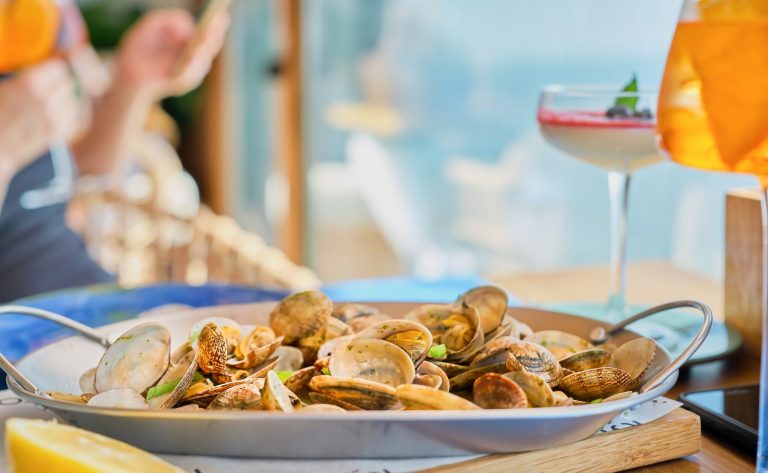
The short version: Málaga is a fish city, so eat what comes off the boats: espetos de sardinas grilled over wood on the beach at Pedregalejo and El Palo, a fritura malagueña of fried anchovies and squid, and, in the old town, cold porra antequerana and ajoblanco. For classic tapas go to Casa Lola or Mesón Mariano, for the fried-fish show by the sea go to El Tintero, and for a Michelin Bib Gourmand lunch book La Cosmo behind the Cathedral. Drink the city’s own sweet wine straight from the barrel at Antigua Casa de Guardia, and a dry Sierras de Málaga red with dinner. On a short visit, a tapas and wine tour is the quickest way to the right bars. Below: what to eat, where to eat it, what to drink, and the experiences worth booking.
Book a Málaga food experience
Short on time? Let a local walk you to the right places.
Our top pick is the Wine and Tapas Tour with 12 Tastings: 3.5 hours, rated 4.9 from 1,377 reviews on GetYourGuide.
What to eat in Málaga, and where to eat it
| Dish | What it is | Where to eat it in Málaga |
|---|---|---|
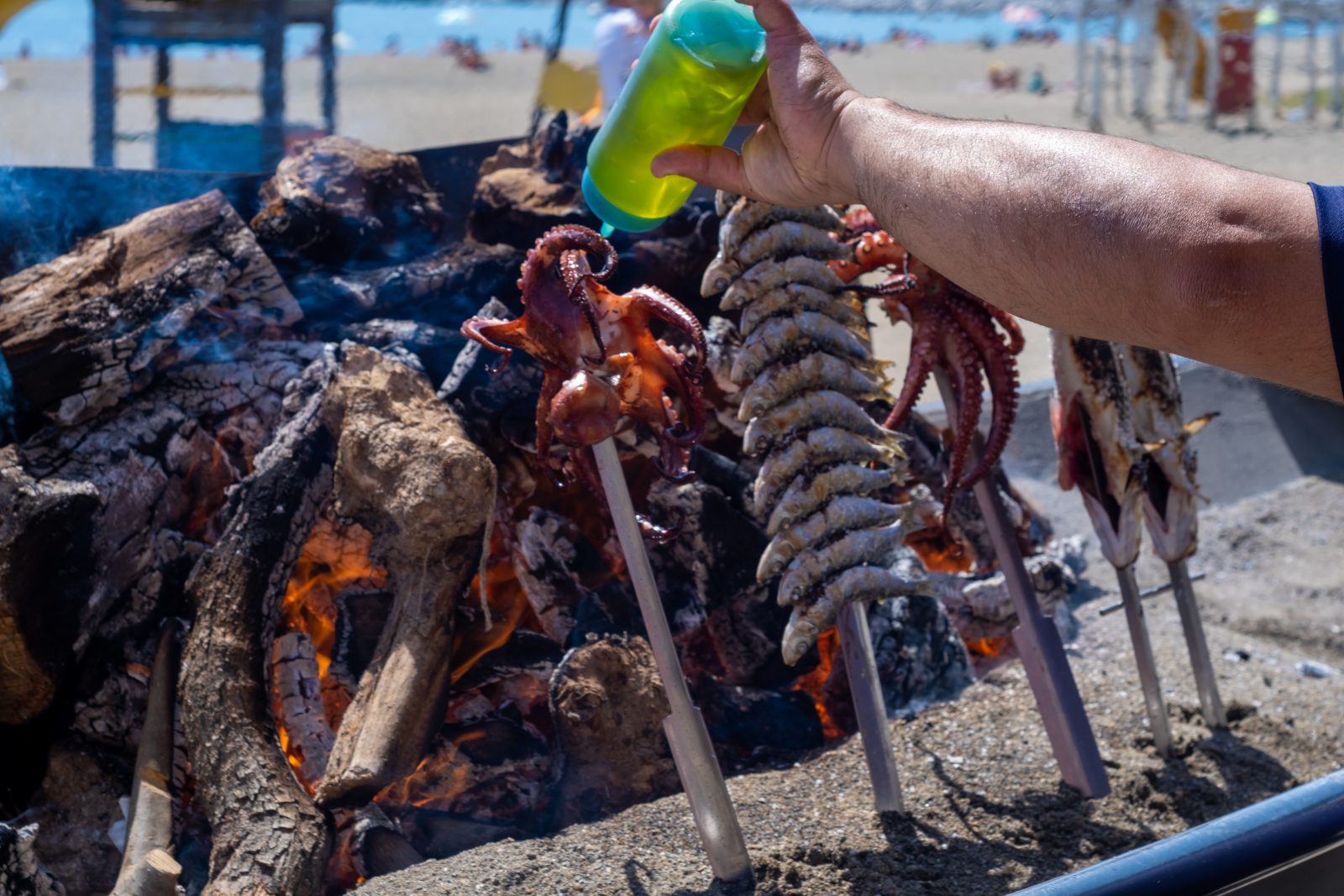
| Espetos de sardinas | Sardines threaded on a cane skewer and grilled over wood embers in an old boat filled with sand, right on the beach. Best from May to October | Chiringuito El Cabra in Pedregalejo; Chiringuito María in El Palo |
| Fritura malagueña | A mixed plate of fried fish: anchovies, squid, small red mullet and cuttlefish, dusted in flour and fried in olive oil | El Tintero; Marisquería El Yerno in the Atarazanas market |
| Boquerones | Fresh anchovies, the city’s emblem: fried (fritos) or marinated in vinegar, garlic and parsley (en vinagre) | Mesón Mariano; La Casa del Piyayo |
| Porra antequerana | A thick cold purée of tomato, bread, garlic and olive oil from Antequera, topped with hard-boiled egg, ham and tuna | La Casa del Piyayo; Taberna Casa Lola |
| Ajoblanco | A cold summer soup of almonds, garlic, bread and olive oil, served with grapes or melon | Taberna Casa Lola |
| Gazpachuelo | A warm fishermen’s soup thickened with mayonnaise, often with potato and fish | Mesón Mariano; in modern form at José Carlos García and Palodú |
| Gambas al pil-pil | Prawns sizzled in olive oil with garlic and chilli | Mesón Ibérico; Marisquería El Yerno |
| Churros | Fried dough for breakfast, dipped in thick hot chocolate or coffee | Casa Aranda |
| Vino de Málaga | The local sweet wine, from Moscatel and Pedro Ximénez grapes, poured from the barrel | Antigua Casa de Guardia; El Pimpi |
Where to eat in Málaga
Málaga eats like the rest of Andalusia: at the bar, a tapa or a half ración (a larger shared plate) at a time, with lunch from about 14:00 and dinner from 21:00. The difference is the sea: the best fish is eaten grilled on a skewer at a beach bar east of the centre, at lunch. In the old town, the streets around Calle Larios are full of visitors, so walk a block or two further: to Calle Granada and the lanes behind the Cathedral, to Soho by the port, or to the market district of El Perchel. These are the areas to eat in.
Centro Histórico
Calle Granada is the old town’s tapas street. Casa Lola at number 46 is the busiest taberna on it: it fills very soon after opening at lunchtime, so expect a short queue. Order ham, croquetas, the small pintxos with prawns, salt cod or morcilla, and a chispazo (vermouth with cola); porra antequerana and ajoblanco are on the menu too. A few doors down at number 36, La Casa del Piyayo is a cheaper counter for porra and a plate of boquerones. At the top of the street, El Pimpi has been a bodega since 1971, in an 18th-century house with patios and a big terrace facing the Alcazaba. It is busy with visitors, but the kitchen runs non-stop from noon and it takes bookings by phone or email.
In the old town on Calle Granados, family-run Mesón Mariano has served Andalusian food since 1988 and is the place for artichokes, its signature, cooked by the kilo every day, plus fried anchovies and gazpachuelo. Book a table. Behind the Cathedral on Calle Císter, La Cosmo holds a Michelin Bib Gourmand (Michelin listing) for chef Dani Carnero’s informal, product-led cooking: sit at the bar to watch the kitchen and order the hake salad, the gilda (a skewer of olive, pepper and anchovy) with tuna belly, and leeks “carbonara”. Carnero’s tasting-menu restaurant, Kaleja, holds a Michelin star (Michelin listing): it is in the old Jewish quarter near the Picasso Museum, cooks over coals, and is open Tuesday to Saturday. Book well ahead.
For breakfast, Casa Aranda on Calle Herrería del Rey is the big, busy churros house by the market; waiters manage the queue. In the evening, La Tranca on Calle Carretería is a loud, packed bar for an aliñao (vermouth, gin and soda), empanadas and fried olives.
Soho, the port and Muelle Uno
Soho, the street-art district between the Alameda Principal and the port, is where the centre feels most local. Mesón Ibérico on Calle San Lorenzo takes no bookings and opens for the evening at 20:30, so join the queue a little before: the bar seats are the ones to get. Order the thinly sliced ham, grilled mushrooms with ham, tuna belly from the plancha, tortillitas de camarones and gambas al pil-pil. For a craft beer, El Rincón del Cervecero on Calle Casas de Campos pours local brews from Málaga breweries such as La Reina del Soho, with free nibbles and plates of mojama (salt-cured tuna) and sheep’s cheese.
On the fourth floor of the Palacio de la Aduana, which also houses the Museo de Málaga, Blossom holds a Michelin star (Michelin listing): Argentine chef Emi Schobert serves two tasting menus with Latin American touches. Muelle Uno, the waterfront promenade below, is for a sunset walk and a drink; walk back into Soho to eat.
El Perchel and the Atarazanas market
Across the Alameda from the old town, the streets around the Mercado Central de Atarazanas and the El Perchel district towards the train station are where you eat well for less. Inside the market, Marisquería El Yerno serves tuna, fried calamari, gambas al pil-pil and ripe tomatoes at the counter: an ideal market lunch. A few steps away, Palodú on Calle Sebastián Souvirón holds a Michelin star (Michelin listing) for two seasonal tasting menus with an optional wine pairing; the dish to wait for is red mullet with gazpachuelo and potato.
In Perchel Sur, near the María Zambrano station, Base9 on Calle Salitre is a Michelin Bib Gourmand (Michelin listing) and one of the best-value meals in the city, in the guide’s lowest price band: small plates and dishes for sharing, such as meatballs in almond sauce, presa ibérica (a prized cut of Iberian pork) and a cannelloni of slow-cooked hen. The neighbourhood fish market is covered below.
La Malagueta
The city beach, a short walk east of the port, is home to one of Málaga’s starred restaurants. José Carlos García on Calle Vélez Málaga, between the beach and the Centre Pompidou, holds a Michelin star (Michelin listing): order the sea bass with liquid potato gnocchi and a gazpachuelo made from the fish’s bones, from the à la carte or the tasting menu. It opens Tuesday to Saturday and the wine list leans to white wines. For something relaxed, Gastroteca Can Emma, near the beach, is known for its arroz “mar y monte” (rice with seafood and meat) and mini croquetas.
Up on the slope of the Gibralfaro hill, Mi Niña Lola is listed in the Michelin Guide (Michelin listing) and has one of the best terrace views over the city and the sea: small plates such as a black corn empanada with squid and leeks with Payoyo goat’s cheese, at a moderate price. Book ahead for the terrace.
Pedregalejo and El Palo: espetos on the beach
This is the reason to come to Málaga hungry. The old fishermen’s districts of Pedregalejo and El Palo, east of the centre along the seafront (bus 11 runs along the coast road, bus 3 also goes to El Palo), are lined with chiringuitos, beach restaurants with a boat of glowing wood embers on the sand. Espetos are at their best from May to October and fattest from June to August; in winter, order a prawn, cuttlefish or sea bream espeto instead. Eat them with your hands: start with one espeto and a tomato salad each. At weekends, arrive before 14:00 for lunch, and carry some cash.
In Pedregalejo, Chiringuito El Cabra on the seafront promenade is one of the oldest and most respected chiringuitos on the strip, with espetos at about 4.50 euros. In El Palo, Chiringuito María is the no-frills choice, with the fish grilled by the front door, espetos at about 3.50 euros and a fish display to point at. At the far end of El Palo, by the El Candado marina, El Tintero is a show as much as a meal: waiters walk the room calling out plates of fried fish, prawns and octopus, you raise a hand to claim one, and the bill is counted from the empty plates.
Quick picks
- Classic tapas night: Casa Lola and La Casa del Piyayo on Calle Granada, then a glass at El Pimpi.
- Best for espetos: El Cabra in Pedregalejo or Chiringuito María in El Palo, at lunch.
- Cheap and fast: a counter lunch at El Yerno in the Atarazanas market; churros at Casa Aranda.
- Best value with a Michelin nod: La Cosmo or Base9, both Bib Gourmand.
- Special night: José Carlos García in La Malagueta, or Kaleja in the old Jewish quarter.
- With a view: Mi Niña Lola on the Gibralfaro slope.
Names link to Google Maps for directions. We checked these places in October 2026. Opening days change, especially out of season, so check before you go.
The markets
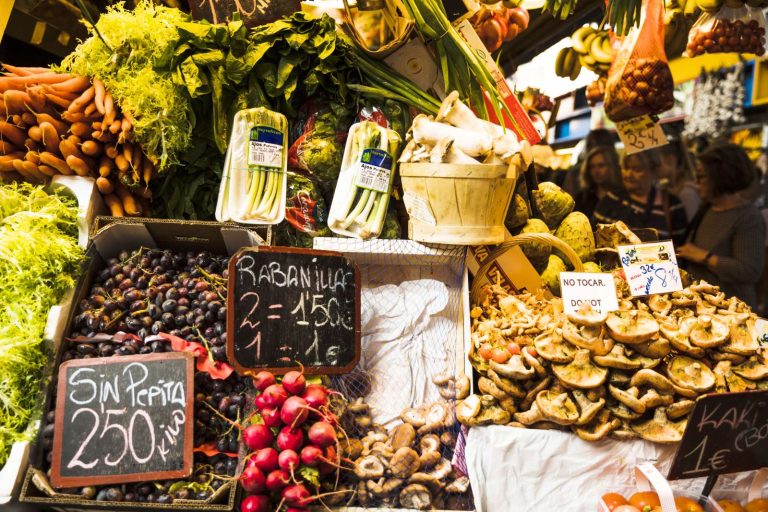
The Mercado Central de Atarazanas, on Calle Atarazanas between the old town and the Alameda, is the central market: an iron-and-glass hall entered through the old Moorish shipyard gate, with fish, meat and produce stalls and small bars that fry the morning’s catch. Go in the morning, when the fish counters are full, and buy jamón ibérico, olives, cheeses, almonds and the sweet Moscatel raisins of the Axarquía (protected as Pasas de Málaga) to take home. For a more local market, the Mercado del Carmen in El Perchel is known for some of the best fish and seafood stalls in the city, at lower prices than Atarazanas, with a bar where you can order the catch of the day fried. Try the conchas finas, large clams eaten raw with lemon.
What to drink in Málaga
Málaga has its own wines, and two denominations to look for on the list. DO Málaga is the historic one, for sweet and fortified wines made mainly from Moscatel and Pedro Ximénez grapes, grown in the Axarquía, the Montes de Málaga and around Ronda. Names to know: Moscatel, Pedro Ximénez, Lágrima (made from free-run juice, without pressing) and Pajarete. DO Sierras de Málaga, created in 2001, covers the dry whites, rosés and reds, most of them from the high vineyards of the Serranía de Ronda. Order a dry Moscatel white with fish and a Ronda red with meat.
The essential stop is Antigua Casa de Guardia on the Alameda Principal, open since 1840: a long standing-only bar where the wines are poured straight from the barrels behind the counter, from a dry Verdiales to Moscatel, Pajarete and Pedro Ximénez, with a glass usually under 3 euros, and the staff chalk your tab on the bar in front of you. Pair it with pickles or seafood from the counter. El Pimpi pours a sweet Pedro Ximénez on its terrace below the Alcazaba. For something modern, Vertical on Calle Moreno Monroy, near the Plaza de la Constitución, is a natural-wine bar around a shared horseshoe counter, where the bartender helps you choose. To learn the local wines in an hour, the Museo del Vino Málaga on the Plaza de los Viñeros includes tastings of DO Málaga and Sierras de Málaga wines with the ticket.
The everyday drinks are a cold beer and a vermouth: try the chispazo at Casa Lola or the aliñao at La Tranca. And when you order coffee, Málaga has its own words for how much milk you want, from a solo (black) through a mitad (half and half) to a nube (mostly milk); Café Central Malagueta in La Malagueta has the scale on its wall.
Food experiences to book in Málaga
Málaga’s best food is spread out, from the old-town tapas bars to the market and the beach bars a bus ride east. A guided tapas and wine tour joins the dots in one evening: a local guide orders the dish each bar is known for and explains the sweet wines. A cooking class is the way to learn paella or the cold soups. These are the best-rated options on GetYourGuide.
| Experience | Length | Rating (reviews) | Best for | Book |
|---|---|---|---|---|
| Wine and Tapas Tour with 12 Tastings | 3.5 hours | 4.9 (1,377) | A first evening | Check availability |
| Tapas Crawl, All Included | 3 hours | 4.9 (481) | The most tapas | Check availability |
| Spanish Cooking Workshop with Paella and Sangría | 3 hours | 4.8 (813) | Cooking it yourself | Check availability |
| Organic Vineyard and Cellar Visit, 6 Wines and Tapas | 4.5 hours | 4.8 (491) | A vineyard visit | Check availability |
Our pick: the Wine and Tapas Tour with 12 Tastings, rated 4.9 (1,377) on GetYourGuide.
Ratings as shown on GetYourGuide in October 2026. Check the listing for live prices and availability.
Food day trips from Málaga
The wine country is close. Ronda, about an hour and a half inland, is the heart of the Sierras de Málaga dry wines, with small wineries around the town that open for tastings; see our Málaga wine tours. East of the city, the hills of the Axarquía grow the Moscatel grapes for the sweet wines and the raisins, and Antequera, home of the porra, is a short drive north. For a longer trip, see what to eat in Granada and what to eat in Córdoba.
Frequently asked questions
What is the one dish to eat in Málaga?
Espetos de sardinas, grilled on the beach, ideally between May and October. Go to El Cabra in Pedregalejo or Chiringuito María in El Palo at lunchtime, and add a plate of fried boquerones.
Where do locals eat in Málaga?
At the beach bars of Pedregalejo and El Palo, around the Mercado del Carmen in El Perchel, at Mesón Ibérico in Soho and at old tabernas such as Mesón Mariano. Calle Larios is mostly for visitors.
Where can I eat cheaply in Málaga?
Order tapas at the bar at Casa Lola or La Casa del Piyayo, have a counter lunch in the Atarazanas market, or eat espetos at Chiringuito María in El Palo at about 3.50 euros each. A glass of wine from the barrel at Antigua Casa de Guardia is usually under 3 euros.
Do I need to book restaurants in Málaga?
For Michelin restaurants such as Kaleja, José Carlos García, Palodú and Blossom, yes, well ahead. Book Mesón Mariano and El Pimpi too. Mesón Ibérico takes no bookings, so queue before it opens, and Casa Lola fills soon after opening. At the beach bars, arrive early at weekends.
What wine should I try in Málaga?
A sweet Moscatel or Pedro Ximénez from the barrel at Antigua Casa de Guardia, and a dry white or red from the Sierras de Málaga with dinner. The Museo del Vino includes a tasting of both.
Is a Málaga food tour worth it?
Yes, if you have a day or two: in one evening you learn how the bars work, taste the classics and the local wines, and find places to go back to. Compare them above or on our Málaga tapas and wine tours page.
Plan your Málaga food trip
Málaga tapas and wine tours · Málaga wine tours and vineyard tastings · Málaga cooking classes · Spain food and wine tours · What to eat in Seville · What to eat in Granada · What to eat in Córdoba · The best tapas and pintxos tours in Spain
Recommended experiences to book
More guides
- What to Eat in the Algarve: Where Locals Eat, Seafood, Wine and Food Tours
- What to Eat in Madeira: Local Dishes, Where Locals Eat in Funchal, Wine & Food Tours
- What to Eat in Granada: Free Tapas, Local Dishes, Where Locals Eat & the Best Tapas Tours
- What to Eat in Córdoba: Local Dishes, Tabernas, Where Locals Eat & the Best Tapas Tours
- Cologne Christmas Markets: What to Eat & Drink