What to Eat in Córdoba: Local Dishes, Tabernas, Where Locals Eat & the Best Tapas Tours
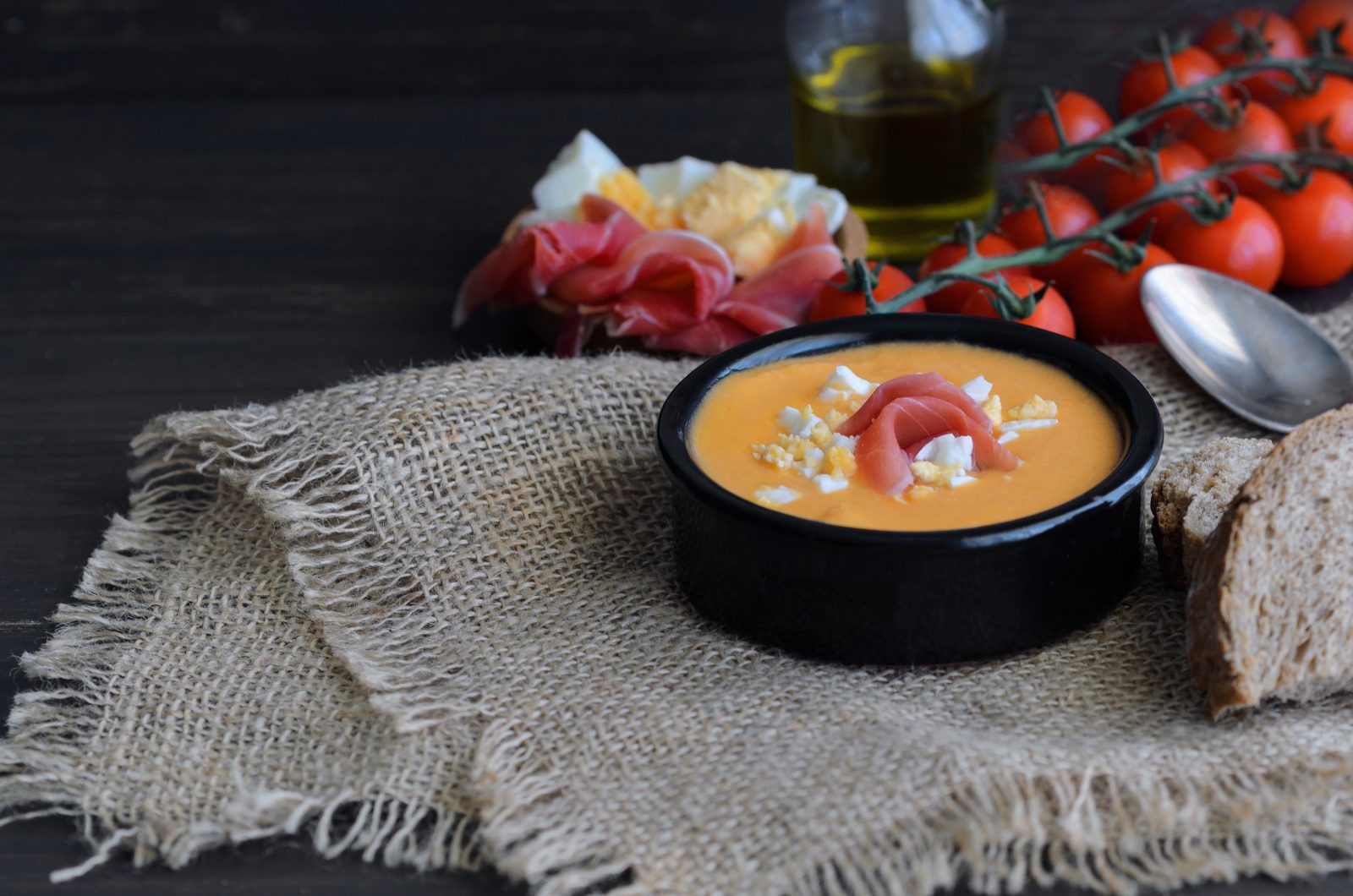
The short version: in Córdoba, eat in the tabernas: old tiled bars with wine barrels, a patio and a short list of classics. Order salmorejo (the city’s thick, cold tomato cream), flamenquín (a rolled, fried pork and ham cutlet), rabo de toro (oxtail stew) and fried aubergines with cane honey. For the old-school version, go to Taberna Salinas, Casa El Pisto or Bodegas Campos; for a Michelin Bib Gourmand meal at a fair price, book La Cuchara de San Lorenzo or La Taberna de Almodóvar. Drink Montilla-Moriles, the local fino and amontillado, poured from the barrel at Bodega Guzmán in the Judería. On a short visit, a tapas tour is the fastest way into the tabernas. Below: what to eat, where to eat it, what to drink, and the experiences worth booking.
Book a Córdoba food and wine experience
Short on time? Let a local walk you to the right places.
Our top pick is the Local Wine Tasting Evening: 1 hour, rated 4.8 from 280 reviews on GetYourGuide.
What to eat in Córdoba, and where to eat it
| Dish | What it is | Where to eat it in Córdoba |
|---|---|---|
| Salmorejo | A thick, cold cream of tomato, bread, garlic and olive oil, topped with chopped egg and cured ham | Taberna El nº10; La Cuchara de San Lorenzo; Bodegas Campos |
| Flamenquín | Pork loin rolled around cured ham, breaded and deep-fried, served in slices with chips | La Cuchara de San Lorenzo; Casa El Pisto; Bodegas Campos |
| Rabo de toro | Oxtail slow-stewed in red wine until it falls off the bone | Casa Rubio; Bodegas Campos; Regadera |
| Berenjenas con miel de caña | Fried aubergine strips drizzled with dark cane honey | Casa Rubio; Taberna Santi |
| Mazamorra | A cold almond and bread cream, thicker than ajoblanco, said to be the forerunner of salmorejo | La Taberna de Almodóvar; Taberna El nº10 |
| Pisto | Slow-fried vegetable stew of tomato, peppers and squash, served with a fried egg | Casa El Pisto |
| Tortilla de patatas | Spanish potato omelette, served here as a giant one cut into portions | Bar Santos |
| Churrasco cordobés | Grilled pork sirloin with two sauces, a house classic | El Churrasco |
| Montilla-Moriles fino | The local dry, pale wine from Pedro Ximénez grapes, served cold | Bodega Guzmán; Taberna Salinas |
Where to eat in Córdoba
Córdoba has around fifty traditional tabernas, and they are the heart of eating here: tiled walls, bullfighting posters, barrels of Montilla-Moriles behind the counter and, in the best ones, a patio. Order a fino and a tapa or a media ración (a half plate) at the bar, or sit in the patio for full plates. Lunch is the main meal, from about 13:30 or 14:00, and dinner starts from about 20:30 or 21:00. Several of the old tabernas keep short hours, closing on Sundays or skipping dinner on some days, so check before you set out. The lanes right around the Mezquita are the most visited; the northern barrios and San Basilio are quieter. These are the areas to eat in.
The Judería and the Mezquita
The old Jewish quarter around the Mezquita-Catedral is busy, but it has some of the city’s best tabernas. Across the street from the Mezquita, Bar Santos is famous for one thing: a giant potato tortilla made with about 30 eggs and 4 kilos of potato, sold by the slice. It is a stop for a tapa, not a meal. On Calle Judíos, Bodega Guzmán is a plain, old taberna with no specials board, deep in the bullfighting and flamenco tradition: order the fino Amargoso or an amontillado poured from the barrel.
On Calle Romero, Taberna El nº10 is listed in the Michelin Guide (Michelin listing) in its lowest price band, and builds its whole concept around Montilla-Moriles wines: salmorejo with Iberian ham, mazamorra and fried pig’s ear, at tables among the barrels. It closes on Tuesdays and Wednesdays. At number 1 on the same street, Casa Pepe de la Judería, also listed in the Michelin Guide (Michelin listing), fills an old house with Córdoba classics, red tuna and meats from the Guadalquivir valley; book by phone. Nearby, El Churrasco, open since 1970, is the place for its namesake churrasco cordobés, oxtail with potatoes and aubergines with salmorejo, with a cellar of about 900 wines.
Just inside the Puerta de Almodóvar, Casa Rubio is listed in the Michelin Guide (Michelin listing) for fried aubergine with cane honey and its well-known rabo de toro with potatoes; many dishes come as tapas or half plates, and there is a rooftop terrace. Down on the river, on the Ronda de Isasa between the Roman and Miraflores bridges, Regadera holds a Michelin Bib Gourmand (Michelin listing) for modern, market-led cooking: salmorejo, mazamorra, oxtail, and a ceviche of wild sea bass.
San Basilio and the patios
West of the Alcázar, the San Basilio quarter (also called the Alcázar Viejo) is where many of the flower-filled courtyards of the Patios Festival are, held every May; outside the festival, some patios open on certain afternoons through the year. It is quieter than the Judería and good for lunch. Mesón San Basilio on Calle San Basilio is a local favourite for home cooking around a patio: fried aubergines, salmorejo and rabo de toro. Further along the same street, Taberna La Viuda has a long list of plates, including a flamenquín stuffed with cheese and citrus-cured tuna. During the Patios Festival, book ahead in this part of town.
Santa Marina and San Lorenzo
The northern barrios of Santa Marina, San Lorenzo and San Andrés, around the Palacio de Viana, are where Córdoba lives, with fewer visitors and older bars. La Cuchara de San Lorenzo on Calle Arroyo de San Lorenzo holds a Michelin Bib Gourmand (Michelin listing) and is the best place in town to eat the classics in one go: salmorejo, veal croquettes, mini patatas bravas, flamenquín and oxtail. It serves lunch every day and dinner from Tuesday to Saturday; book. On the corner of the Plaza de Regina, Taberna Regina is a simple bar for an amontillado with whatever the kitchen is frying that day, and by the Palacio de Viana, Taberna Las Beatillas is a classic stop on the Plaza de las Beatillas.
Near the church of San Andrés, Taberna Santi on Calle Realejo has been open since 1912 and is the earliest taberna in the city, open from 07:00 every day: go for breakfast toast with tomato and ham from Los Pedroches, the acorn country north of Córdoba, and come back later for salmorejo, flamenquín, Iberian pork cheeks and crisp aubergines with cane honey.
San Pedro and the Corredera
East of the centre, around the arcaded Plaza de la Corredera and the church of San Pedro, are two of the oldest tabernas in Córdoba. Taberna Salinas on Calle Tundidores has been open since 1879 and keeps its columned patio, its red marble bar and the old hatch where wine was once sold to take away: drink the Moriles from the barrel and order sangre encebollada (blood with onions), chickpea stew with pig’s trotters, or the salad of oranges with salt cod. It closes on Sundays and does not serve dinner on Saturdays. On Calle Lineros, Bodegas Campos has been in the wine business since 1908: a maze of patios and rooms lined with barrels, for rabo de toro, salmorejo and flamenquín, at higher prices; it is popular, so book. Opposite the church of San Pedro on Calle La Rosa, the recently opened La Tasca de San Pedro is a cheap option for home-style croquetas, ensaladilla rusa, flamenquines and salmorejo.
Centro and Las Tendillas
The modern centre around the Plaza de las Tendillas is where Córdoba shops and meets for a drink. On the Plaza de San Miguel, Casa El Pisto, open since 1880, is the classic bullfighting taberna, with a room dedicated to the toreros: order a fino at the counter, then the pisto, served with bread and a fried egg, or the rabo de toro and flamenquín. Its fame shows in the prices, so for something cheaper walk 100 metres to Taberna Góngora on Calle Conde de Torres Cabrera for fried anchovies with lemon. Near the Gran Capitán, La Taberna de Almodóvar on Calle Benito Pérez Galdós holds a Michelin Bib Gourmand (Michelin listing) for regional cooking: its croquettes, the revuelto del Cortijo (scrambled eggs) and mazamorra. It manages its own bookings by phone.
Quick picks
- Classic taberna: Taberna Salinas or Casa El Pisto, with a fino from the barrel.
- Best for salmorejo and flamenquín: La Cuchara de San Lorenzo, Bib Gourmand.
- Cheap and fast: a slice of tortilla at Bar Santos; La Tasca de San Pedro; breakfast at Taberna Santi.
- Best for wine: Bodega Guzmán in the Judería; Taberna El nº 10 for Montilla-Moriles with food.
- Special night: Noor, chef Paco Morales’s three-Michelin-star restaurant (Michelin listing), outside the old town, open Wednesday to Saturday, with tasting menus that change their historical theme each season. Córdoba also has two one-star restaurants: Choco (Michelin listing) and ReComiendo (Michelin listing). Book all three well ahead.
Names link to Google Maps for directions. We checked these places in October 2026. Opening days change, especially in the summer heat, so check before you go.
The markets
The Mercado Victoria, in a wrought-iron hall on the Paseo de la Victoria at the western edge of the old town, was the city’s first gastronomic market, opened in 2013. It is open from breakfast until late, with stalls for Córdoba classics, including salmorejo, Iberian ham from Los Pedroches, Andalusian tapas and sherry, plus international food: useful when the tabernas are closed in the afternoon. For bread, the Obrador David Ruano in the El Vial area bakes sourdough loaves, the round bollo cordobés and local pastries. Buy olive oil, Montilla wine and ham from Los Pedroches to take home.
What to drink in Córdoba
Córdoba drinks its own wine, and locals will remind you it is not sherry. DO Montilla-Moriles, south of the city, makes its wines almost entirely from Pedro Ximénez grapes, which ripen so fully in the heat that the finos often need no added alcohol. The styles follow the same ladder as in Jerez: fino (pale, dry, aged under a layer of yeast called flor), amontillado (aged first under flor, then in contact with air, nutty and amber), oloroso (dark, rich, dry) and the sweet, raisin-dark Pedro Ximénez. In a taberna, order a fino with salmorejo and fried fish, an amontillado with rabo de toro, and a PX to finish. Look for fino en rama, bottled with little or no filtering.
Where to taste: Bodega Guzmán in the Judería pours its fino and amontillado from the barrel. Taberna Salinas draws Moriles from its own solera. Sociedad de Plateros San Francisco on Calle San Francisco, a taberna run by the silversmiths’ guild, pours its own Montilla-Moriles labels, such as Oro Viejo, in a patio under a skylight. And Taberna Séneca on the Plaza de Séneca ages its fino Platino in old butts and opens from 09:00. The everyday alternative is a cold beer; locals drink it with a tapa at the bar.
Food experiences to book in Córdoba
Córdoba’s tabernas are easy to walk past: many have no sign beyond a name over the door, keep short hours, and the best dish in each is not written down. A guided tapas tour solves that in one evening: a local guide takes you to the right tabernas, orders salmorejo, flamenquín and rabo de toro in the places that do them best, and explains the Montilla-Moriles wines as you go. These are the best-rated options on GetYourGuide.
| Experience | Length | Rating (reviews) | Best for | Book |
|---|---|---|---|---|
| Local Wine Tasting Evening | 1 hour | 4.8 (280) | Montilla-Moriles wines | Check availability |
| Tapas Bars Tour with a Local Guide | 2.5 hours | 4.8 (29) | The taverns | Check availability |
| Patios Walk and Wine Tasting | 75 minutes | 4.8 (75) | The patios | Check availability |
| Family-Run Organic Olive Grove with Tasting | 2 hours | 4.9 (91) | Olive oil | Check availability |
Our pick: the Local Wine Tasting Evening, rated 4.8 (280) on GetYourGuide.
Ratings as shown on GetYourGuide in October 2026. Check the listing for live prices and availability.
Food day trips from Córdoba
Montilla, about 45 km south, is the wine town of the Montilla-Moriles region, with old bodegas that open for tours and tastings of fino, amontillado and PX. North of the city, the oak pastures of Los Pedroches produce acorn-fed Iberian ham. For sherry, Jerez is a longer trip south: see our Jerez sherry tours and sherry explained, from fino to Pedro Ximénez. Seville and Granada are both easy by train: see what to eat in Seville and what to eat in Granada.
Frequently asked questions
What is the one dish to eat in Córdoba?
Salmorejo, the city’s own cold tomato cream, with a flamenquín alongside. La Cuchara de San Lorenzo and Taberna El nº 10 are good places to start, with a glass of Montilla-Moriles fino.
Where do locals eat in Córdoba?
In the tabernas away from the Mezquita: Taberna Salinas near the Corredera, Taberna Santi and Taberna Regina in the northern barrios, Mesón San Basilio in San Basilio, and Casa El Pisto in the centre.
Where can I eat cheaply in Córdoba?
Eat tapas and half plates at the bar. Bar Santos sells its tortilla by the slice, La Tasca de San Pedro and Taberna Góngora are good value, and Taberna El nº 10 is in the Michelin Guide’s lowest price band.
What is the difference between Montilla-Moriles and sherry?
Both make fino, amontillado, oloroso and PX, but Montilla-Moriles uses Pedro Ximénez grapes rather than Palomino, and its finos often reach their strength naturally, without added alcohol. Taste the difference at Bodega Guzmán or Taberna Salinas.
Do I need to book in Córdoba?
For La Cuchara de San Lorenzo, La Taberna de Almodóvar, Regadera, Bodegas Campos and the starred restaurants, yes. For the tabernas, arrive at opening time. During the Patios Festival in May, book everything in the old town ahead.
Is a Córdoba tapas tour worth it?
Yes, if you have a day: you learn how the tabernas work, taste the classics and the local wine, and find the bars to go back to. Compare them above or on our Córdoba tapas tours page.
Plan your Córdoba food trip
Córdoba tapas tours and Montilla wine · Jerez sherry tours · Spain food and wine tours · What to eat in Seville · What to eat in Granada · What to eat in Málaga · Sherry explained, from fino to Pedro Ximénez
Recommended experiences to book
More guides
- What to Eat in the Algarve: Where Locals Eat, Seafood, Wine and Food Tours
- What to Eat in Madeira: Local Dishes, Where Locals Eat in Funchal, Wine & Food Tours
- What to Eat in Málaga: Local Dishes, Where Locals Eat & the Best Tapas and Wine Tours
- What to Eat in Granada: Free Tapas, Local Dishes, Where Locals Eat & the Best Tapas Tours
- Cologne Christmas Markets: What to Eat & Drink