What to Eat in Valencia: Local Dishes, Where Locals Eat & the Best Food Tours

The short version: in Valencia, eat paella valenciana at lunch, the real one with chicken, rabbit and beans, cooked over a wood fire at Casa Carmela by the beach or at Arrocería Maribel in the Albufera rice fields. Start the day with an almuerzo, the Valencian mid-morning sandwich, at Central Bar in the Mercado Central, cool off with horchata and fartons at Horchatería Santa Catalina, and try esgarraet (roast pepper with salt cod) and all i pebre (eel stew). Drink Bobal red from Utiel-Requena and a jug of agua de Valencia. And if you only have a day or two, a food tour or a paella class is the shortcut. Below: what to eat, exactly where to eat it, neighbourhood by neighbourhood, what to drink, and the food experiences worth booking.
Book a Valencia paella class
Want to cook a real paella yourself?
Our top pick is the Paella Workshop with Tapas and Sangria: 3 hours, rated 4.9 from 431 reviews on GetYourGuide.
What to eat in Valencia, and where to eat it
| Dish | What it is | Where to eat it in Valencia |
|---|---|---|
| Paella valenciana | Rice cooked in a wide pan with chicken, rabbit, flat green beans (ferraura) and garrofó butter beans, saffron and rosemary | Casa Carmela (book the paella ahead); Arrocería Maribel, El Palmar; Goya Gallery |
| Seafood paella and fideuà | Rice, or short noodles in the case of fideuà, cooked with fish stock and shellfish | La Pepica; Rausell (arroz meloso) |
| All i pebre | Eel stewed with garlic, paprika, potatoes and a little chilli, from the Albufera lagoon | Restaurante El Palmar, El Palmar |
| Esgarraet | Roasted red pepper torn into strips with desalted salt cod, garlic and olive oil | Casa Carmela |
| Horchata with fartons | A chilled drink made from tiger nuts, with long, soft sugar-glazed buns for dipping | Horchatería Santa Catalina; Horchatería Daniel, Alboraya |
| Almuerzo | The mid-morning sandwich and drink that Valencians stop work for | Central Bar; La Cantina de Ruzafa |
| Clóchinas | Small, sweet local mussels, steamed, in season in summer | Casa Montaña |
| Sardines and tapas | Butterflied grilled sardines and bar tapas at the counter | Tasca Ángel |
| Figatells | Pork liver and meat patties wrapped in caul fat and grilled | La Cantina de Ruzafa |
| Cremaet | Coffee with rum flamed with sugar, cinnamon and lemon peel | La Cantina de Ruzafa |
Where to eat in Valencia
The Valencian day has its own rhythm: almuerzo in the middle of the morning, a long lunch from about 13:30, when rice is eaten, and dinner from about 20:30. The rule for paella is simple: have it at lunch, at a rice specialist, and book or order ahead, because a proper paella takes time. Many rice restaurants open only at midday.
Ciutat Vella and El Carmen
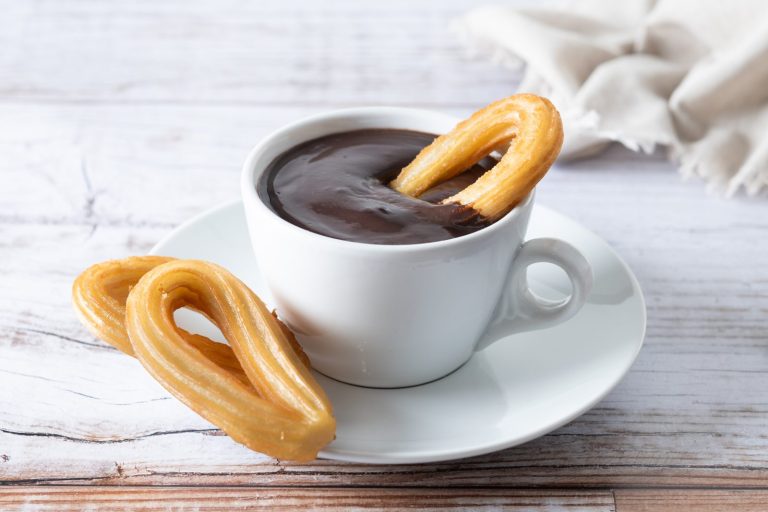
The old town is where to spend a morning. Inside the Mercado Central, Central Bar is chef Ricard Camarena’s market counter, picked by the Michelin Guide’s editors for the almuerzo: order the house sandwich of pork loin, caramelised onion, mustard and cheese, or grilled red prawns and oysters. It is a counter with no bookings, so expect to queue. A few streets away, Tasca Ángel on Carrer de la Puríssima is a standing-room-only bar for butterflied sardines, cuttlefish, mushrooms and snails. Ostras Pedrín on Calle Bonaire serves oysters, some in tempura, glazed eel, tinned fish and gildas. In El Carmen, Taberna La Samorra on Carrer de l’Almodí does gildas, patatas bravas and a horchata version of torrija (Spanish French toast). On Plaza Santa Catalina, Horchatería Santa Catalina is the classic stop for horchata with fartons, or chocolate with churros, open daily from 8:15 to 21:30.
Ruzafa
Ruzafa, south of the old town, is the neighbourhood for a night out, with bars and small restaurants around its market. La Cantina de Ruzafa on Literat Azorín is the place for a proper almuerzo: figatells, a set-price morning menu and a cremaet to finish; book by WhatsApp. Acapulco Bar on Pintor Salvador Abril is a modern bar for hake croquettes, rabbit and natural wines; book ahead. Across the street, 2 Estaciones holds a Michelin Bib Gourmand (Michelin listing) for seasonal Mediterranean cooking at a big bar with an open kitchen. For a special night, La Salita, chef Begoña Rodrigo’s restaurant on Pere III el Gran, holds a Michelin star (Michelin listing), and Fierro, near the Ruzafa market, holds another (Michelin listing) for its tasting menus.
Eixample, Extramurs and the Mercado de Colón
The 19th-century districts around the old town have some of the city’s best rice and seafood bars. Goya Gallery on Burriana is listed in the Michelin Guide (Michelin listing) as a rice house, and it is Ricard Camarena’s own pick for paella in the city. Order your rice before 12:00 on the day, and book, as it fills with local regulars. Bar Ricardo on Doctor Zamenhof, west of the centre, is a classic seafood bar for razor clams, red prawns and bravas, and another Camarena favourite for lunch. Rausell on Àngel Guimerà does sepionet (baby cuttlefish), bravas and creamy rice. Memoria Gustativa on Conde de Altea holds a Michelin Bib Gourmand (Michelin listing) for modern takes on classic bar dishes, and on the same street Riff, Bernd Knöller’s restaurant, holds a Michelin star (Michelin listing); the inspectors’ dish not to miss is its arroz brut. The Mercado de Colón, a Modernista market hall turned food court, stays open late and has horchata counters inside.
El Cabanyal and Malvarrosa beach
The old fishermen’s quarter behind the beach is the paella neighbourhood. Casa Carmela on Isabel de Villena, open since 1922, cooks its paellas over orange wood and serves about 20 rice dishes, at lunch only. Its paella valenciana must be booked in advance; ask for it with chicken, rabbit and snails when you book. Expect around 45 euros a head. On the seafront, La Pepica, open since 1898, serves paella valenciana, its own seafood paella with peeled shellfish, and fideuà; paellas take 40 to 45 minutes and are for at least two people. A few streets back from the beach, Casa Montaña on José Benlliure is a tavern founded in 1836 with about 600 wines, for Santoña anchovies, clóchinas, salt-cod croquettes and bravas; average spend is about 40 euros, and it is worth booking.
For a special dinner
Valencia has two restaurants with two Michelin stars. Ricard Camarena Restaurant, in the converted Bombas Gens factory on Avinguda de Burjassot, is the flagship of the city’s best-known chef (Michelin listing). Flores Raras on Correos, the former El Poblet, reopened in 2026 under chef Carolina Álvarez with three tasting menus (Michelin listing). On Plaza de Tetuán, Lienzo holds one star (Michelin listing) for chef María José Martínez’s cooking. Book all of them well ahead.
Quick picks
- Paella by the beach: Casa Carmela, booked ahead, at lunch.
- Paella in the rice fields: Arrocería Maribel in El Palmar.
- Cheap and fast: an almuerzo at Central Bar, or sardines at Tasca Ángel.
- Horchata: Horchatería Santa Catalina in town, or Horchatería Daniel in Alboraya.
- Tapas night: Bar Ricardo or Rausell; in Ruzafa, Acapulco Bar.
- Special night: Ricard Camarena, Flores Raras or La Salita.
Names link to Google Maps for directions. We checked these places in October 2026. Opening days change, especially out of season, so check before you go.
The markets
The Mercado Central, under its glass domes opposite the Lonja silk exchange, is one of the largest food markets in Europe and the place to see what Valencia eats: rice, saffron, garrofó beans, Valencian tomatoes, citrus, salt cod and fish. It opens Monday to Saturday from 7:30 to 15:00, so go in the morning; eat at Central Bar and have a craft vermut at Benvolgut, a vermut stall inside the market. The Mercado de Colón on Jorge Juan is different: a Modernista hall now given over to bars and cafés, open every day into the night, with branches of Horchatería Daniel and Casa Orxata inside for horchata in the centre.
What to drink in Valencia
Horchata (orxata in Valencian) is the drink of the city, made from tiger nuts grown in the villages of L’Horta Nord north of Valencia under the protected designation Chufa de Valencia. Drink it ice-cold, liquid or half-frozen, and dip fartons in it. In town, go to Horchatería Santa Catalina; for the source, go to Alboraya, where Horchatería Daniel on Avinguda de l’Orxata has made it since 1949. Agua de Valencia is the local cocktail, orange juice with cava, vodka and gin, served by the jug at Café de las Horas near the cathedral. For wine, order Bobal, the dark local red grape that makes up most of the Utiel-Requena vineyard inland, where some vines are more than 75 years old. Finish a long lunch with a cremaet, the flamed rum coffee.
Food experiences to book in Valencia
Valencia rewards knowing the rules: when to eat paella, what goes in it, which market stall and which tavern. A guided food tour takes you through the Mercado Central and the old town’s bars in a few hours, and a paella class, often with a market visit first, teaches you to cook the real thing over fire. These are the best-rated options on GetYourGuide.
| Experience | Length | Rating (reviews) | Best for | Book |
|---|---|---|---|---|
| Paella Workshop with Tapas and Sangria | 3 hours | 4.9 (431) | Learning paella | Check availability |
| Paella Workshop and Algirós Market Visit | 2.5 hours | 4.9 (324) | Market plus paella | Check availability |
| Food Tour with Tapas and Drinks with a Local | 3.5 hours | 4.8 (79) | A food walk | Check availability |
Our pick: the Paella Workshop with Tapas and Sangria, rated 4.9 (431) on GetYourGuide.
Ratings as shown on GetYourGuide in October 2026. Check the listing for live prices and availability.
Food day trips from Valencia
The Albufera, the freshwater lagoon and rice fields just south of the city, is where paella was born. In the village of El Palmar, Arrocería Maribel holds a Michelin Bib Gourmand (Michelin listing) for its rice dishes and opens only at midday, with a terrace by the canal; Bon Aire serves paella valenciana with chicken, rabbit and artichoke, and Restaurante El Palmar is the place to try all i pebre. Take a boat out on the lagoon before lunch. North of the city, Alboraya is a short metro ride away for horchata among the tiger nut fields. To learn to cook the dish yourself, see our guide to Valencia paella cooking classes.
Frequently asked questions
What is the one dish to eat in Valencia?
Paella valenciana, with chicken, rabbit and beans, at lunch. Casa Carmela by the beach and Arrocería Maribel in El Palmar are two of the best places to eat it.
What is in a real paella valenciana?
Rice, chicken, rabbit, flat green beans, garrofó beans, tomato, sweet paprika, saffron, olive oil and often rosemary; snails or artichoke are common additions. Seafood paella is a different dish.
Can I eat paella for dinner in Valencia?
You can, but locals eat it at lunch, and many rice specialists, such as Casa Carmela and Arrocería Maribel, open only at midday.
Where do locals eat in Valencia?
At almuerzo bars such as La Cantina de Ruzafa, at old taverns like Casa Montaña and Bar Ricardo, and at the counters of the Mercado Central.
Do I need to book restaurants in Valencia?
For paella, yes: book Casa Carmela ahead, and order rice at Goya Gallery before noon. Book the Michelin-starred restaurants weeks ahead. Central Bar and Tasca Ángel are counters where you wait your turn.
Is a Valencia food tour worth it?
Yes, on a short visit: a guide shows you the Mercado Central, explains horchata, paella and the local tapas, and saves you the tourist paellas on the main squares. Compare them above or on our Valencia food experiences page.
Plan your Valencia food trip
Food experiences in Valencia · Valencia paella cooking classes · Best Valencia paella cooking classes