Rome & the Castelli Romani in 4 Days: Food in the City, Wine in the Hills
A flexible 4-day Rome food and wine itinerary: three days for the city's food - the four Roman pastas, Trastevere and Testaccio, a cooking class - plus a day in the Castelli Romani hills for Frascati wine and a country lunch. Suggestions, not a fixed schedule.
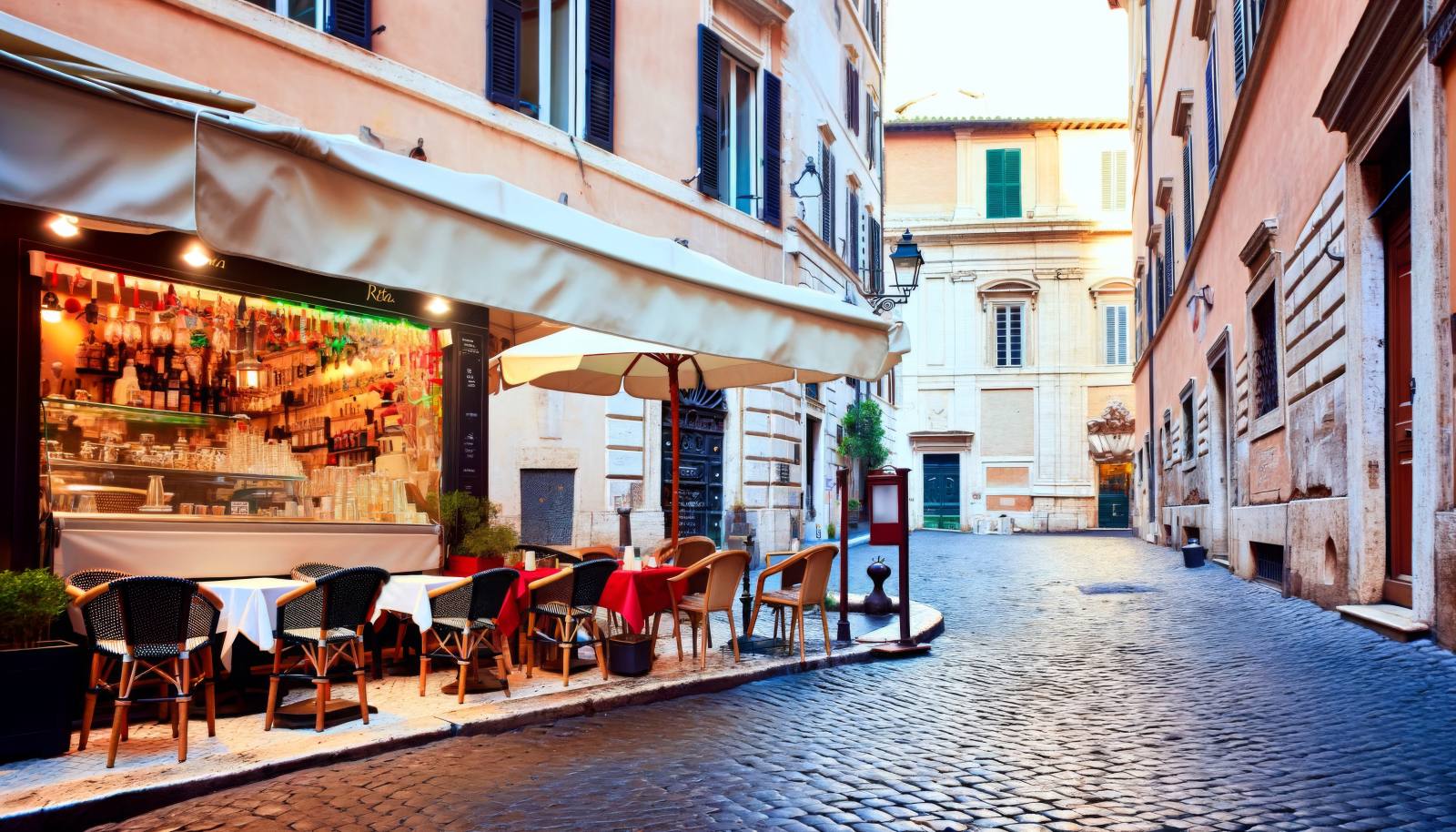
The short version: three days for the city’s food – the four Roman pastas, the market and street-food neighbourhoods of Trastevere and Testaccio, a cooking class – plus a fourth out in the Castelli Romani hills for Frascati wine and a country lunch. Below is a loose, food-first shape for the trip, not a fixed schedule – bend it around opening hours and your own appetite.
A note on how to use this: these are suggestions and options, not a minute-by-minute plan. Cooking classes and wine trips need booking, and market days and restaurant hours change, so treat the days as a flexible outline and confirm anything time-sensitive directly before you go.
At a glance
| Day | The idea |
|---|---|
| Day 1 | The centre and Trastevere – a food tour and the Roman classics |
| Day 2 | Testaccio – the market, the offal tradition, and the four pastas |
| Day 3 | A cooking class – fresh pasta and carbonara – plus Roman pizza |
| Day 4 | The Castelli Romani – Frascati wine and a country lunch |
| Best base | The historic centre, Trastevere or Monti for walking to dinner |
| Getting around | Rome on foot and by metro; the Castelli by train or an organised tour |
Day one – the centre and Trastevere
Start with the city’s soul food. A Rome food tour through Trastevere or the centre is the quickest way in – supplì, pizza al taglio, carciofi alla giudia from the old Jewish Ghetto, cheese and porchetta. Get your bearings on the plates to order with what to eat in Rome, and if you’re torn on which neighbourhood tour to pick, Trastevere or Testaccio compares them.
Day two – Testaccio and the four pastas
Give a day to Testaccio, the working-class quarter that is Rome’s culinary engine room. Its market is a food-lover’s playground, and the neighbourhood’s old slaughterhouse gave Rome its quinto quarto (offal) cooking – coda alla vaccinara, trippa alla romana. Above all, this is the home of the four Roman pastas: cacio e pepe, carbonara, amatriciana and gricia – our four Roman pastas explained guide tells you what’s in each and how to order them.
Day three – a cooking class, and Roman pizza
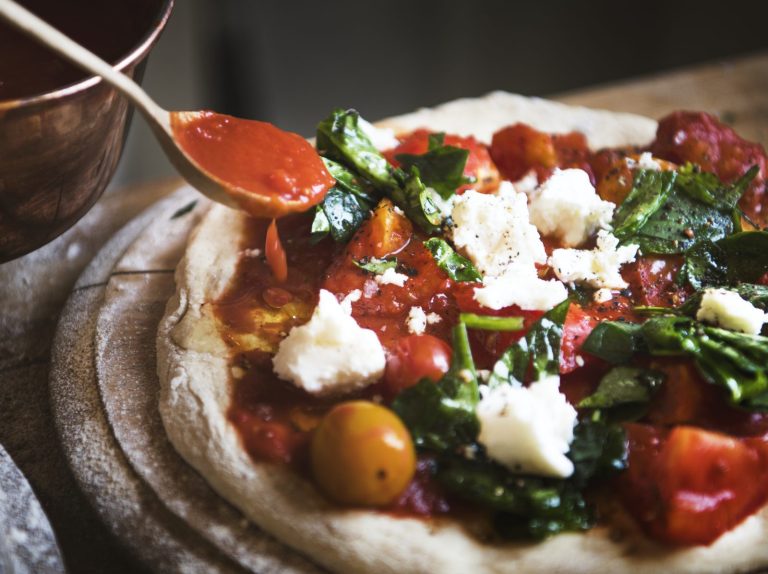
On the third day, cook. A Rome cooking class teaches fresh pasta and a proper carbonara or cacio e pepe, often after a market shop, then you eat what you made (see how Rome cooking classes work), with dedicated pasta-making classes too. In the evening, try Roman-style pizza – thin and crisp, unlike its Naples cousin (our Neapolitan vs Roman pizza guide explains the difference).
Day four – the Castelli Romani wine hills
Escape the city for a day in the Castelli Romani, the volcanic hills just south of Rome that have been its wine country since antiquity. Frascati‘s crisp white is the classic, poured in the old fraschette taverns alongside porchetta and pizza bianca, with pretty lake towns like Castel Gandolfo and Nemi nearby. A wine tour from Rome is the easy way to taste without driving, or take the regional train down for a long country lunch. It’s the relaxed counterpoint to three days of city eating.
Where to base yourself, and how to travel it
Stay central – the historic centre, Trastevere or Monti – so you can walk to dinner and the food neighbourhoods. Rome is best on foot and by metro; the Castelli Romani are a short regional-train ride or an organised half-day. Book cooking classes ahead, mention dietary needs, and pace the pasta – four Roman classics is a lot in one sitting. If you’d rather keep the whole trip inside the city, our 3 days in Rome for food and wine itinerary skips the wine day and focuses on the centre. Plan from the Rome food and wine hub.
For a half day in the vineyards, see Rome wine tours to Frascati and the Castelli Romani.
Frequently asked questions
How many days do you need in Rome for food?
Three days covers the city’s food well – a food tour, the four Roman pastas, Testaccio and a cooking class. A fourth day out in the Castelli Romani for Frascati wine rounds it into a proper food-and-wine trip.
What are the four Roman pastas?
Cacio e pepe (pecorino and pepper), carbonara (egg, guanciale, pecorino), amatriciana (tomato, guanciale, pecorino) and gricia (guanciale and pecorino, the “white amatriciana”). They share a handful of ingredients in different combinations.
Is the Castelli Romani worth a day trip from Rome?
Yes, for wine lovers – the volcanic hills south of Rome are its historic wine country, home to Frascati white and the rustic fraschette taverns, with lake towns like Castel Gandolfo. A wine tour or a regional train makes it an easy day.
Where should I base myself in Rome?
The historic centre, Trastevere or Monti – all walkable to the food neighbourhoods and dinner. Testaccio is quieter but great for eating; anywhere near a metro line works for the Castelli day trip.
Plan your Rome food and wine trip
Start with a Rome food tour, book a cooking class or a wine tour to the Castelli Romani, or see everything on the Rome hub.
Recommended experiences to book
More guides
- A Tuscan Wine Route: Chianti, Montalcino & Montepulciano
- What to Eat in Venice: Local Dishes, Where Locals Eat & the Best Food Tours
- What to Eat in Naples: Local Dishes, Where Locals Eat & the Best Food Tours
- What to Eat in Rome: Local Dishes, Where Locals Eat & the Best Food Tours
- Sicily Cooking Classes: Arancini, Pasta alla Norma and Cannoli