Rome Cooking Classes: Fresh Pasta and the Roman Classics
A guide to Rome cooking classes: make fresh pasta and the four Roman sauces (carbonara, cacio e pepe, amatriciana, gricia), often after a market shop, plus pizza-and-gelato and market-to-table options.
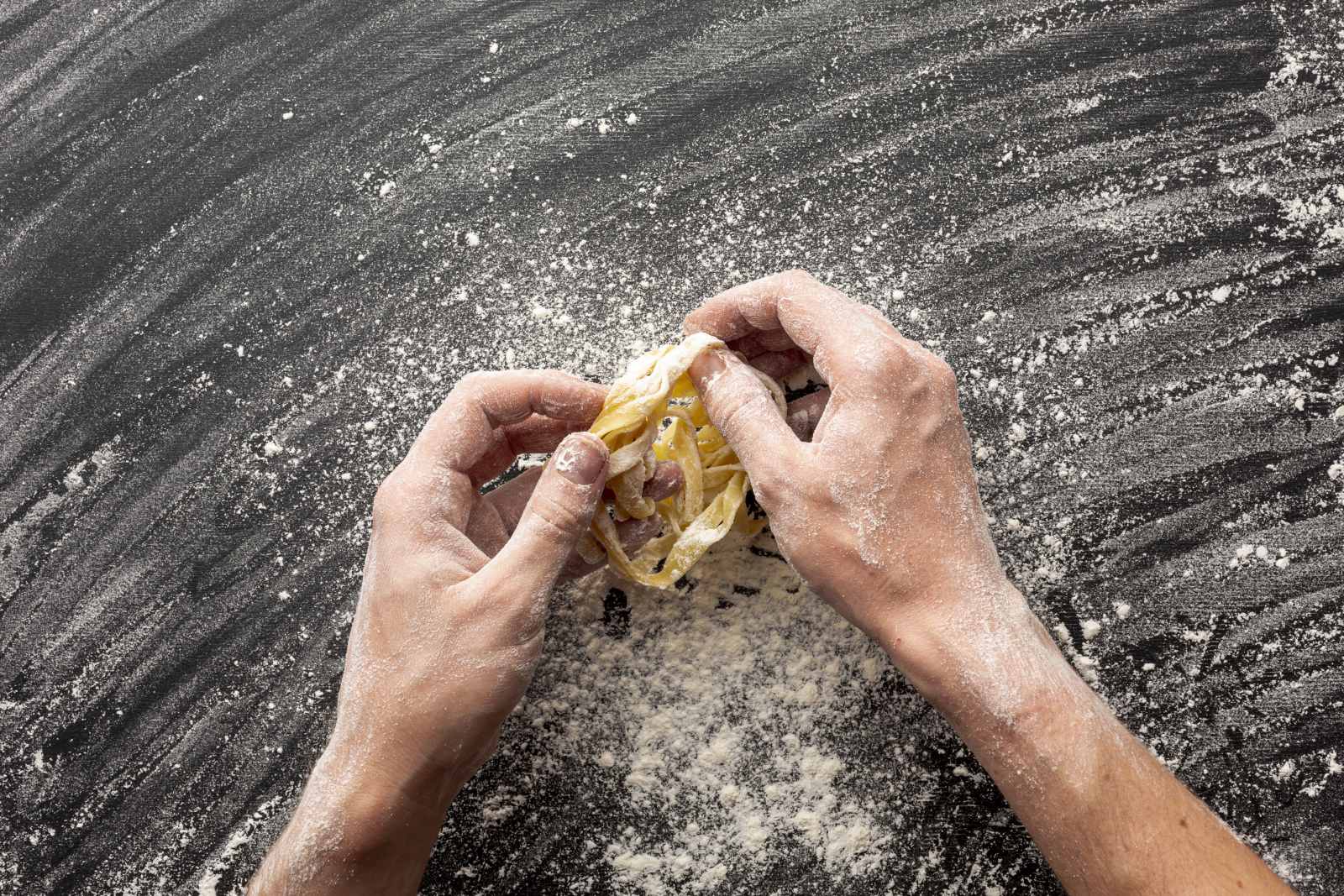
The short version: a Rome cooking class usually means fresh pasta by hand and the four Roman classics – carbonara, cacio e pepe, amatriciana and gricia – often after a market shop and ending with the meal and wine. Some add pizza, gelato or tiramisù. Here is how to pick one.
At a glance
| Question | Answer |
|---|---|
| You make | Fresh pasta, carbonara / cacio e pepe / amatriciana, often tiramisù |
| Formats | Pasta-making, full cooking class, pizza & gelato, market-to-table |
| How long | About 3 hours, meal included |
| Often includes | A market visit (Campo de’ Fiori, Testaccio) and wine |
Pasta and the four Roman sauces
The heart of a Roman class is fresh pasta – rolling and cutting fettuccine or shaping tonnarelli – and the city’s four sauces, all built on pecorino and guanciale: carbonara (egg, no cream), cacio e pepe (pecorino and pepper), amatriciana (with tomato) and gricia (the white amatriciana). Our guide to the four Roman pastas explains the differences you’ll cook. A dedicated pasta-making class focuses on the dough and the sauces; a broader Rome cooking class adds a starter, a main such as saltimbocca, and tiramisù.
Market-to-table, pizza and gelato
Many classes begin with a market shop – Campo de’ Fiori or the Testaccio market – to choose produce and learn to buy like a Roman before you cook. Families and home kitchens host some of the best, small and personal. If you’re travelling with children or want something lighter, look for pizza and gelato classes, which are hands-on and fun. Most classes run in English and adapt to dietary needs.
How to choose
Want to master pasta? Book a pasta-making class. Want a full Roman meal? A cooking class with a market visit. Travelling with kids? Pizza and gelato. Pair the class with a Rome food tour to taste the classics first, then cook them, and see what to eat in Rome for the wider picture.
Compare more destinations: the best cooking classes in Europe.
Prefer to eat your way through the city? See Rome food tours in Trastevere and Testaccio.
Compare every region: the best cooking classes in Italy.
Frequently asked questions
What do you make in a Rome cooking class?
Fresh pasta and the Roman sauces – carbonara, cacio e pepe, amatriciana, gricia – often with a starter and tiramisù, ending with the meal and wine.
What is the difference between a pasta-making class and a cooking class?
A pasta-making class focuses on the dough and the four sauces; a full cooking class adds a starter, a main and a dessert. Both usually include a meal.
Do Rome cooking classes include a market visit?
Many do – a shop through Campo de’ Fiori or the Testaccio market to pick ingredients first, which is part of the experience. Check the individual class.
Are the classes good for families?
Yes; pizza-and-gelato and pasta classes are hands-on and popular with children, and most classes adapt to ages and dietary needs.
Cook Rome
Compare Rome cooking classes and pasta-making classes, or plan the trip from the Rome hub.
Recommended experiences to book
More guides
- Rome & the Castelli Romani in 4 Days: Food in the City, Wine in the Hills
- Trastevere or Testaccio: Which Rome Food Tour Should You Book?
- The Four Roman Pastas Explained: Cacio e Pepe, Carbonara, Amatriciana and Gricia
- Rome Wine Tours: Frascati & the Castelli Romani Day Trip
- Italy Food & Wine Calendar: What to Eat and Drink, Month by Month