What to Eat in Rome: Local Dishes, Where Locals Eat & the Best Food Tours
What to eat in Rome: the four Roman pastas (cacio e pepe, carbonara, amatriciana, gricia), supplì, pizza al taglio, artichokes and gelato - plus where locals actually eat, in Testaccio and Trastevere.
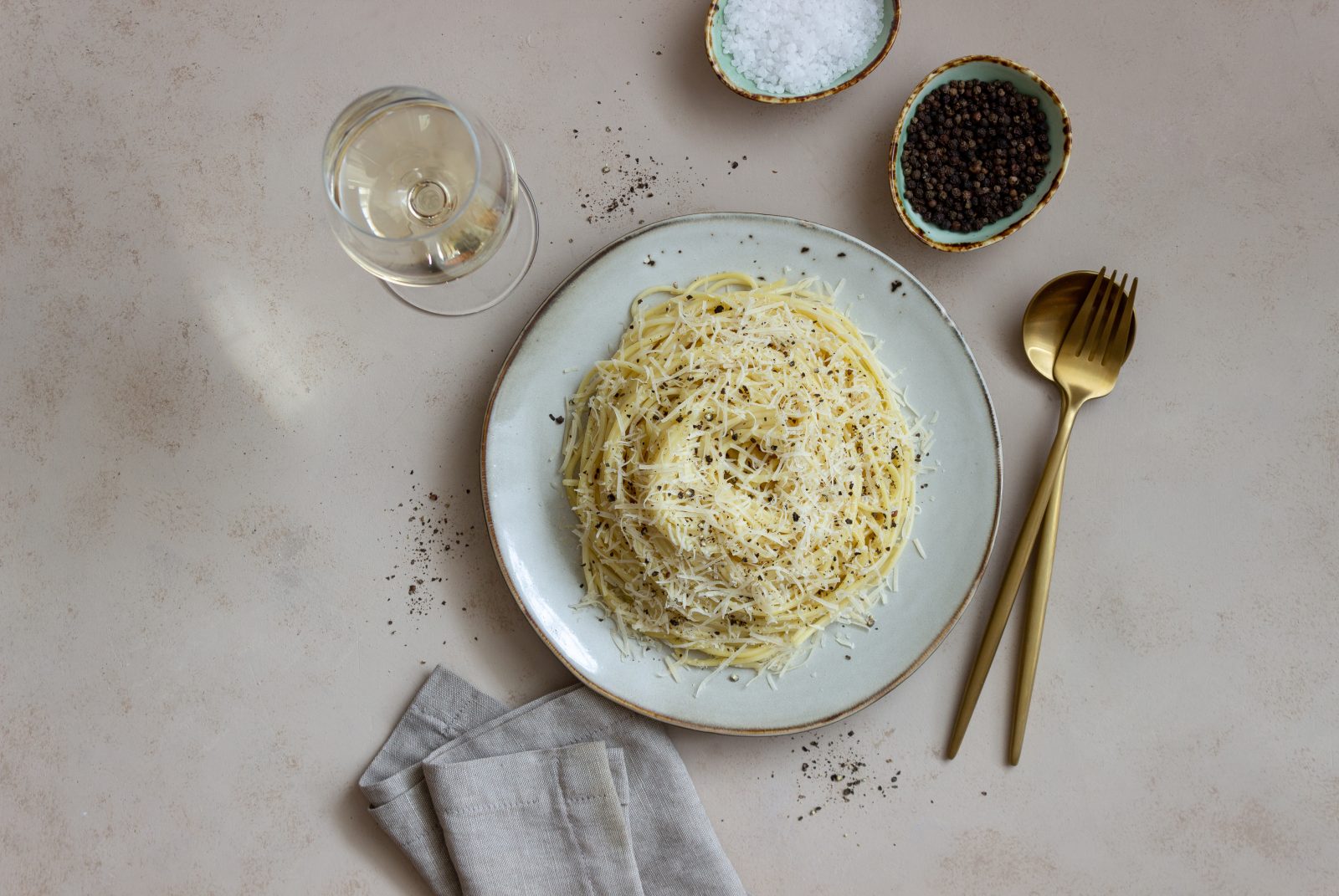
The short version: in Rome, eat the four pastas (carbonara, cacio e pepe, amatriciana and gricia), a supplì, pizza al taglio by weight, carciofi alla giudia in the Jewish Ghetto in spring, a cream-filled maritozzo for breakfast and gelato every day. For the pastas, book Michelin Bib Gourmand trattorias such as Trattoria Pennestri in Ostiense or Hosteria Grappolo d’Oro near Campo de’ Fiori; for a cheap lunch, eat a panino at Mordi e Vai in the Testaccio market. Drink Frascati or a red Cesanese from the hills around the city. On a short visit, a food tour of Testaccio or Trastevere is the quickest way to the right places. Below: what to eat, exactly where to eat it, what to drink, and the food experiences worth booking.
Book a Rome food tour
Short on time? Let a local walk you to the right places.
Our top pick is the Trastevere and Campo de' Fiori Street Food Walking Tour: 2.5 hours, rated 4.9 from 4,577 reviews on GetYourGuide.
What to eat in Rome, and where to eat it
| Dish | What it is | Where to eat it in Rome |
|---|---|---|
| Carbonara | Pasta with egg yolk, guanciale (cured pork cheek), pecorino and black pepper; no cream | Roscioli; Da Enzo al 29; Flavio al Velavevodetto |
| Cacio e pepe | Pasta with pecorino romano and black pepper, emulsified with the cooking water | Felice a Testaccio; Osteria dell’Angelo; Trattoria Da Teo |
| Amatriciana and gricia | Guanciale and pecorino, with tomato (amatriciana) or without (gricia) | Trattoria Pennestri; Hosteria Grappolo d’Oro |
| Supplì | A fried rice croquette with ragù and a molten mozzarella centre | Supplizio; I Supplì |
| Pizza al taglio | Pizza baked in trays, cut with scissors and sold by weight | Pizzarium; Antico Forno ai Serpenti |
| Pizza bianca | Plain flatbread with olive oil and salt, the Roman snack | Il Forno Campo de’ Fiori |
| Carciofi alla giudia | Whole artichokes deep-fried until crisp, Jewish-Roman style; late February to May | Sora Margherita; Nonna Betta; L’Osteria della Trippa |
| Coda alla vaccinara | Oxtail slow-braised with tomato and celery, the old slaughterhouse dish | Checchino dal 1887; Trattoria Da Teo |
| Maritozzo | A soft sweet bun split and filled with whipped cream | Pasticceria Regoli; Il Maritozzaro |
| Gelato | Made fresh daily in the city’s artisan gelaterie | Gelateria del Teatro; Otaleg; Gelateria dei Gracchi |
Where to eat in Rome
Romans eat in trattorie with short menus of the classics, not in the restaurants on the big piazzas with photo menus and touts at the door. Book dinner at the well-known places, often days or weeks ahead, eat pizza al taglio, supplì and panini for lunch, and stand at the bar for coffee: sitting at a table costs more. Many small shops close for a long lunch break in the afternoon.
Testaccio and Ostiense
The old slaughterhouse district is where Roman offal cooking was born, and it is still the best neighbourhood to eat in. Start at the Mercato di Testaccio, where Mordi e Vai at stall 15 fills crusty rolls with Roman stews for about 5 to 7 euros; take a number, as the queue is long by 12:30. Trapizzino fills a triangle of pizza bread with chicken cacciatora for about 5 euros. For dinner, Felice a Testaccio on Via Mastro Giorgio is famous for cacio e pepe tossed at the table; book about three weeks ahead. Flavio al Velavevodetto, built into the Monte Testaccio hill of ancient amphorae, does a good carbonara; ask for the back room. Checchino dal 1887, at the foot of Monte Testaccio, is the historic address for coda alla vaccinara and rigatoni con la pajata. A short walk south in Ostiense, Trattoria Pennestri holds a Michelin Bib Gourmand (Michelin listing) for carbonara, cacio e pepe, amatriciana and gricia; it is often full, books by phone only and closes on Mondays.
Trastevere
Trastevere is lively and touristy at night, so choose carefully. Da Enzo al 29 on Via dei Vascellari is the small trattoria everyone queues for: carbonara, carciofi alla giudia in season and a daily specials board, at about 25 to 50 euros a head; no dinner bookings, so arrive around 18:30. Trattoria Da Teo on Piazza dei Ponziani takes bookings and does oxtail and tonnarelli cacio e pepe. L’Osteria della Trippa on Via Goffredo Mameli holds a Michelin Bib Gourmand (Michelin listing), with tripe several ways, carciofi alla giudia, coratella and the classic pastas. Taverna Trilussa, in the Michelin Guide (Michelin listing), is the more polished choice for the four pastas. For cheap eating, I Supplì sells supplì from about 2 euros at the counter, with no tables, and on the same street L’Antica Caciara makes a porchetta and pecorino panino for about 5 euros. For gelato, Otaleg makes savoury and seasonal flavours such as fava bean and pecorino.
Centro Storico, Campo de’ Fiori and the Ghetto
Between the Pantheon and the river, the old centre has some of the city’s most respected kitchens. Roscioli, a deli, wine bar and restaurant in one, is in the Michelin Guide (Michelin listing) for Roman pastas, cured hams and cheeses; book ahead. On Piazza della Cancelleria, Hosteria Grappolo d’Oro holds a Michelin Bib Gourmand (Michelin listing) at the lowest price level, with a four-course Roman tasting menu for just over 30 euros and maritozzo with cream for dessert. Armando al Pantheon, a few steps from the Pantheon, is in the Michelin Guide (Michelin listing) for Roman and Lazio cooking, including offal and spring lamb; it closes on Sundays. For a cheap bite, Supplizio serves the classic supplì with giblet ragù for about 3 to 4 euros, and Dar Filettaro a Santa Barbara on Largo dei Librari fries salt cod fillets for about 5.50 euros, evenings only. In the Jewish Ghetto, Sora Margherita on Piazza delle Cinque Scole is the place for carciofi alla giudia; book a few days ahead. Nonna Betta is the kosher-style alternative and opens on Saturdays. Finish at Gelateria del Teatro on Via dei Coronari, near Piazza Navona, for the Vecchia Roma of ricotta and sour cherry.
Monti
The hilly lanes behind the Forum are Rome’s village-like neighbourhood, with wine bars and cheap eats. La Carbonara serves the dish it is named after; booking is required and table times are strictly kept, and it closes on Sundays. La Taverna dei Fori Imperiali is a family-run trattoria known for roast suckling pig; reserve weeks ahead. For lunch on the go, Antico Forno ai Serpenti cuts potato pizza by weight, and Zia Rosetta on Via Urbana fills the rosetta, Rome’s hollow bread roll, with prosciutto, stracchino and courgette. In the evening, Monti gathers on the fountain steps of Piazza della Madonna dei Monti.
Prati and Trionfale
The orderly streets north of the Vatican are where to eat after the museums. Pizzarium is Rome’s most famous pizza al taglio, with the highest score in Rome for pizza by the slice (Tre Rotelle, 96) in the 2026 Gambero Rosso pizzeria guide: take a number, point at the tray, and pay by weight, about 8 to 10 euros for a substantial portion. Arrive at 11:00 or mid-afternoon. Romanè on Via Cipro, a short walk from the Vatican, holds a Michelin Bib Gourmand (Michelin listing) at the lowest price level: fried offal, trippa alla romana, saltimbocca and generous amatriciana and carbonara. Osteria dell’Angelo on Via Giovanni Bettolo serves a fixed Roman menu with house wine for about 30 to 35 euros, closed Sundays. For coffee, Sciascia Caffè 1919 is the classic: pay first, then drink at the bar.
Quick picks
- Classic Roman dinner: Trattoria Pennestri, Hosteria Grappolo d’Oro or Romanè, all Bib Gourmand.
- Cheap and fast: Mordi e Vai in the Testaccio market, supplì at I Supplì or Supplizio, a slice at Pizzarium.
- Special night: Roscioli, booked ahead, or Taverna Trilussa in Trastevere.
- Best carbonara crawl: Roscioli, Da Enzo al 29 and La Carbonara in Monti.
Names link to Google Maps for directions. We checked these places in October 2026. Opening days change, especially out of season, so check before you go.
The markets
The Mercato di Testaccio on Via Aldo Manuzio is the best market to eat in: Monday to Saturday from 7:00 to mid-afternoon, closed Sundays, with Mordi e Vai’s panini, pizza al taglio at CasaManco, cacio e pepe supplì at Food Box, and puntarelle and Roman artichokes from November to April. There is no seating, so you eat standing in the aisles. Near the Vatican, the Mercato Trionfale on Via Andrea Doria is the city’s big neighbourhood market, with more than 270 stalls colour-coded green for produce, red for meat and blue for fish, Monday to Saturday from 7:00 to 14:00; buy a roll and porchetta for lunch and arrive before 11:00. The Campo de’ Fiori market runs Monday to Saturday mornings; it is mostly for visitors now, so go before 9:00 for the few local growers, and buy pizza bianca at Forno Campo de’ Fiori on the square and coppiette, spicy dried pork strips, at Antica Norcineria Viola, open since 1890. At weekends, the Campagna Amica farmers’ market near the Circus Maximus sells Lazio olive oil, cheese and seasonal produce, with hot food in the courtyard.
What to drink in Rome
Rome’s wine comes from the hills around it. Frascati, the crisp white from the Castelli Romani, is the carafe wine of the trattorie; the red to ask for is Cesanese, Lazio’s native grape. In Monti, Al Vino Al Vino on Via dei Serpenti pours Lazio wines by the glass, including Cesanese, with caponata, from 17:00. On Via Cavour, Enoteca Cavour 313 is in the Michelin Guide (Michelin listing) for its excellent list of Italian and foreign wines. In the morning, coffee is drunk standing at the bar. To taste the wines where they are made, see our Rome wine tours.
Food experiences to book in Rome
Rome’s food is spread across neighbourhoods, and the obvious places near the monuments are the worst. A food tour of Testaccio or Trastevere with a local guide takes you to the markets, supplì shops and trattorie that matter in three or four hours. A pasta class, where you learn to make carbonara or fettuccine yourself, is the other way to bring Rome home.
| Experience | Length | Rating (reviews) | Best for | Book |
|---|---|---|---|---|
| Trastevere and Campo de' Fiori Street Food Walking Tour | 2.5 hours | 4.9 (4,577) | A first visit | Check availability |
| Small-Group Food Tour with Wine in Trastevere | 3 hours | 4.9 (3,770) | An evening with wine | Check availability |
| Gourmet Food Tour with Dinner and Barolo Wine | 3.5 to 4 hours | 4.9 (2,782) | Replacing dinner | Check availability |
| Pasta and Tiramisu Making Class | 2.5 to 3 hours | 4.9 (8,593) | Cooking it yourself | Check availability |
Our pick: the Trastevere and Campo de' Fiori Street Food Walking Tour, rated 4.9 (4,577) on GetYourGuide.
Ratings as shown on GetYourGuide in October 2026. Check the listing for live prices and availability.
Food day trips from Rome
The Castelli Romani, the hill towns south of the city, are Rome’s day trip for food and wine: Frascati’s cellars, porchetta from Ariccia and lunch in a fraschetta, a simple country tavern. Our Rome and Castelli Romani food and wine itinerary plans the day, and our Rome wine tours guide compares the tastings.
Frequently asked questions
What is the one dish to eat in Rome?
Carbonara, made with guanciale, egg yolk and pecorino and no cream. Roscioli, Da Enzo al 29 and La Carbonara in Monti are reliable places to try it.
Where do locals eat in Rome?
In Testaccio, in the trattorie of Trastevere’s quieter streets and at neighbourhood places such as Trattoria Pennestri in Ostiense and Romanè near the Vatican, both Michelin Bib Gourmand.
Where can I eat cheaply in Rome?
Supplì from about 2 euros at I Supplì in Trastevere, a panino at Mordi e Vai in the Testaccio market for about 5 to 7 euros, a trapizzino for about 5 euros, and pizza al taglio by weight at Pizzarium or Antico Forno ai Serpenti.
Do I need to book restaurants in Rome?
For dinner at the popular places, yes: Felice a Testaccio about three weeks ahead, Roscioli and La Carbonara ahead, and Trattoria Pennestri by phone. Da Enzo al 29 takes no dinner bookings, so queue early.
When can I eat carciofi alla giudia?
From late February to May, when Roman artichokes are in season. Trattoria Sora Margherita and Nonna Betta in the Ghetto and L’Osteria della Trippa in Trastevere serve them.
Is a Rome food tour worth it?
Yes, especially on a first visit: in a few hours you eat your way through a market and the classics and learn which places are worth returning to. Compare them above or on our Rome food tours page.
Plan your Rome food trip
Rome food tours · Rome pasta-making classes · Rome cooking classes · Rome wine tours · Food experiences in Rome · Trastevere or Testaccio food tour · 3-day Rome food and wine itinerary · Rome pasta and carbonara classes · Rome and Castelli Romani itinerary