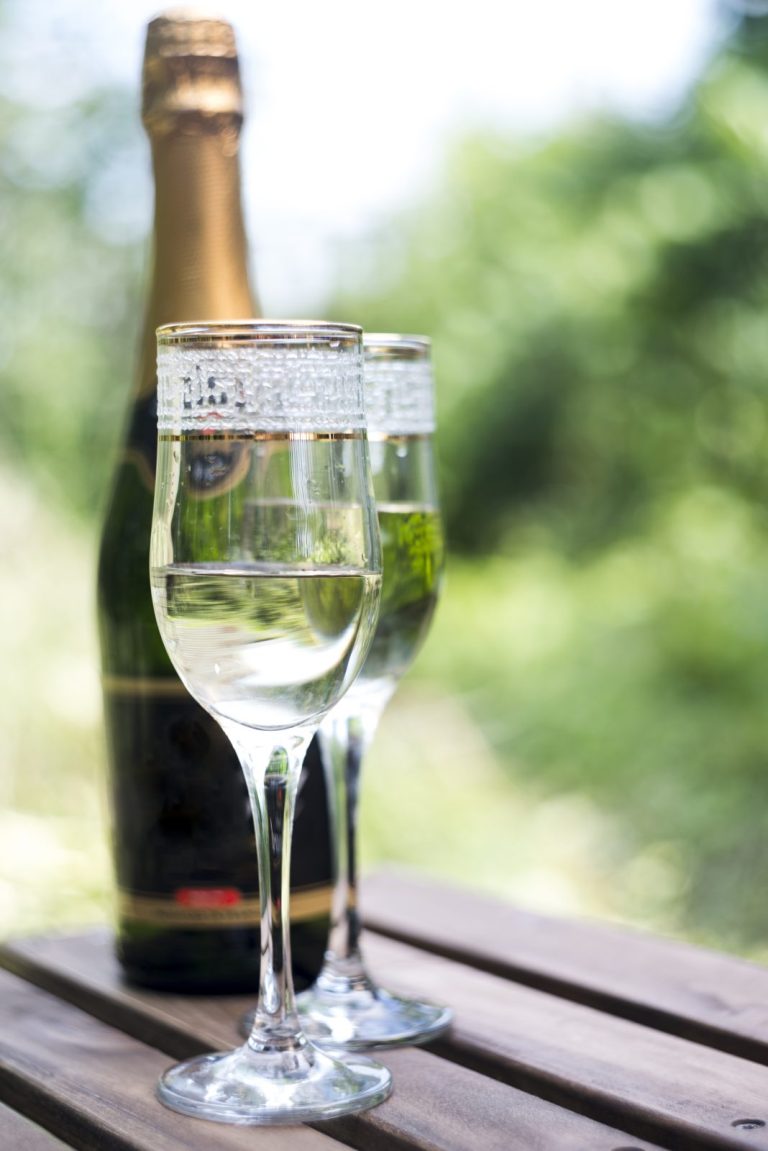
The short version: the Gulf of Saint-Tropez has more than thirty estates making Côtes de Provence rosé, and the five below are the ones worth planning a visit around, from the classified Château Minuty to the estate that invented pale rosé. Each is booked directly at the cellar door; if you want to taste at several without a designated driver, take a guided Gulf tour. Below is each estate, what it is known for, how to visit, and where to book.
At a glance
| Estate | Village | Known for | Book direct |
|---|---|---|---|
| Château Minuty | Gassin | Classified growth, the famous pale rosé | minuty.com |
| Château Barbeyrolles | Gassin | Pétale de Rose, the first Provence pale rosé | barbeyrolles.com |
| Domaine Bertaud Belieu | Gassin | Big Gulf estate, easy drop-in tasting | bertaud-belieu.com |
| Château Volterra | Ramatuelle | Organic, small and scenic | chateauvolterra.com |
| Domaine du Bourrian | Gassin | Historic estate, restored in 2018 | domainedubourrian.fr |
1. Château Minuty (Gassin)
The name on half the rosé bottles in Saint-Tropez, and for good reason: Minuty was founded in 1936, is run by the Matton-Farnet family, and is one of only eighteen estates classified as a Provence cru classé, the region’s 1955 ranking of its best. The pale, dry, precise rosé, in cuvées from the everyday to the Rosé et Or, set the house style the peninsula copies. Its recently rebuilt cellar near Gassin has a tasting room and a vinothèque of twenty years of vintages; it is deservedly popular, so summer afternoons are crowded.
Visit & book: guided tours, tastings and a free self-guided audio tour at the estate cellar, weekdays 9am-6.30pm and weekends 10am-6.30pm. Book direct at minuty.com.
2. Château Barbeyrolles (Gassin)
A small estate of about twelve hectares at the foot of the hill village of Gassin, farmed organically and biodynamically, run since 1977 by Régine Sumeire, who created Provence’s first pale rosé, the Pétale de Rose, in 1985. That wine, delicate and clear, is still the one to taste, and the visit is far more personal than at the big houses.
Visit & book: tastings during opening hours and a guided tour by appointment from April to October. Book direct at barbeyrolles.com.
3. Domaine Bertaud Belieu (Gassin)
One of the larger Gulf estates, sixty-five hectares in the vines between Gassin and the sea, and the easiest of these five to drop into. About four-fifths of what it makes is rosé, with red and white Côtes de Provence alongside, and it is set up for visitors with a walk-in tasting room and a guided cellar tour.
Visit & book: walk-in tasting, roughly 10am-7pm on weekdays year-round and daily in summer; guided cellar tour by appointment from about €39. Book direct at bertaud-belieu.com.
4. Château Volterra (Ramatuelle)
Between Saint-Tropez and Ramatuelle, Volterra farms six organic hectares in a fine position on the peninsula, in a château built in the early 1900s. It is smaller and quieter than the Gassin names, which is the appeal: a visit here is personal and unhurried, with the wines and the setting doing the talking.
Visit & book: by appointment. Contact the estate at chateauvolterra.com.
5. Domaine du Bourrian (Gassin)
A vineyard dating to 1871, completely restored in 2018, that has quickly become one of the best-reviewed tasting stops in the Gulf. You taste the organic wines in the cellar or on a terrace shaded by century-old plane trees, and the rosé holds its own against the famous neighbours. A strong first stop if you are staying near Gassin.
Visit & book: tasting cellar open April to October, plus the terrace; private guided tours year-round by reservation. Book direct at domainedubourrian.fr.
How to taste at several without a car
The estates are spread across the hills between Gassin, Ramatuelle and Grimaud, and rosé is a wine you want to drink cold and freely, not sip and spit while driving. So if you would rather leave the car, take a guided Gulf wine tour: they visit a spread of domains with a driver, some by minibus, some by vintage car, e-bike through the vines, or on horseback through the Maures. Compare the ones worth booking on our Saint-Tropez and Gulf rosé wine tours page.
When to go
May, June and September are ideal: the estates are open, the vines are green and the crowds of July and August have thinned. Harvest is late August into September. Many estates keep shorter hours or close from November to spring, so a winter visit needs a call first. Pair a morning of tastings with the Place des Lices market in Saint-Tropez on a Tuesday or Saturday, and a tarte tropézienne.
Frequently asked questions
Do I need to book a Saint-Tropez winery visit?
Tastings are often walk-in, but guided tours and the busy summer months need a booking, made on each estate’s own website. A guided Gulf tour books the estates for you.
Which winery should I visit first in Saint-Tropez?
Château Minuty for the famous classified rosé and Barbeyrolles for the pioneering pale style; Bertaud Belieu and Bourrian are the easiest to just turn up to.
How do I book a wine tour around Saint-Tropez?
Each estate books direct through its own website; to visit several with a driver, book a guided Gulf wine tour. See our Saint-Tropez wine tours page for the ones we would book.
Is Saint-Tropez rosé sweet?
No; the Gulf’s rosé is bone dry, pale and mineral, meant to be drunk cold and young. There is no good sweet Provence rosé.
How do I get around the vineyards?
By car with a designated driver, or on a guided tour by minibus, vintage car, e-bike or horseback; the estates are a few kilometres apart in the hills behind the coast.
Explore Saint-Tropez
See everything there is to do around Saint-Tropez, and plan the wider trip: Saint-Tropez wine tours · French Riviera food tours · Bandol & Cassis wine · France.