Paris Cooking Classes: Market, Macarons & Croissants
How Paris cooking classes work: savoury market classes where you shop and cook a French three-course meal with wine, and pastry classes for croissants, macarons and éclairs. What you make, market vs studio, and how to choose.
The short version: Paris cooking classes split into two families – savoury classes, often built around a market visit where you cook a French three-course meal, and pastry classes, where you learn croissants, macarons or éclairs from a pâtissier. Most run a few hours, end with eating what you made, and are designed for beginners. Here is how to choose.
At a glance
| Type | What you make |
|---|---|
| Market + cook | Shop a market, then cook a French 3-course lunch/dinner with wine |
| Croissant class | Laminate dough and bake your own croissants/viennoiseries |
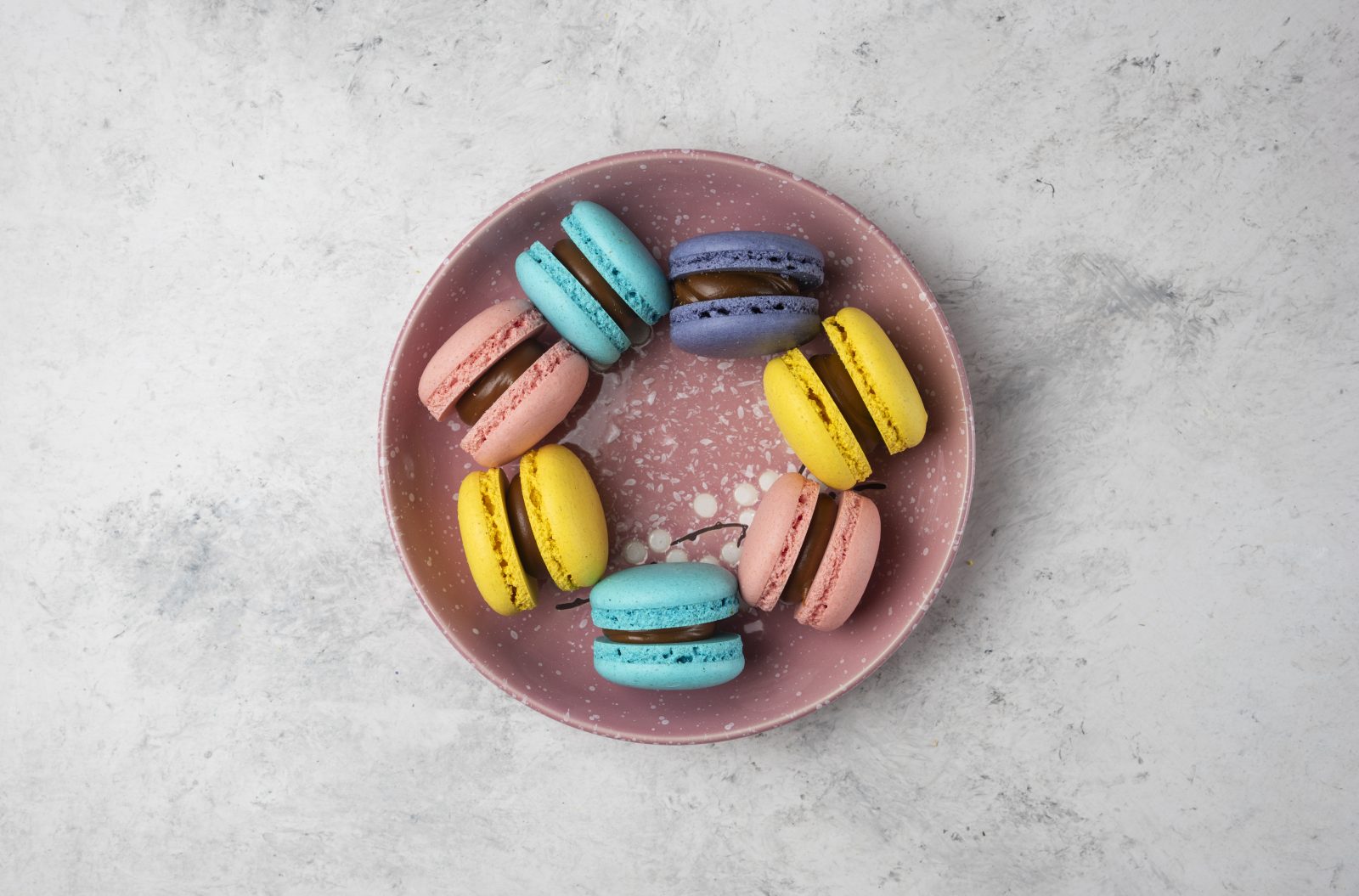
| Macaron class | Master the macaron shell and fillings |
| Pastry / éclair | Classic pâtisserie technique with a French chef |
| How long | About 2-4 hours; market classes run longer |
Savoury: the market cooking class
The signature Paris class is the market visit and cooking class: you meet a chef at a neighbourhood market – the Marché d’Aligre, Bastille or Rue Cler – shop for the day’s ingredients, then cook a French three-course meal and eat it together with wine. It’s the best way to learn the “why” behind French cooking; our full market visit and cooking class guide walks through how it works. Studio-based savoury classes (no market) go deeper on a single dish or technique.
Sweet: croissants, macarons and pastry
Paris is a pastry capital, and its pâtisserie classes are a highlight. Croissant classes teach the lamination – folding butter into dough for those flaky layers (see croissant vs pain au chocolat). Macaron classes tackle the famously tricky shell and a range of fillings. Others cover éclairs, tarts and classic desserts. These are studio classes, hands-on, and you take your creations with you. Browse them all on the Paris cooking classes page.
Ready to book? Compare Paris pastry & Macaron classes, Paris cabaret shows with dinner & Champagne, Paris cheese & wine tastings and Paris Seine dinner cruises, with ratings and prices.
How to choose, and tips
Decide savoury or sweet first, then market or studio. Pick a small-group class for the social side or a private one for a couple or family. Morning classes shop and cook for lunch; pastry classes often run mornings too. Mention dietary needs when booking – most adapt, and vegetarian menus are common. Come hungry, wear comfortable shoes for the market, and book ahead in peak season. Pair it with a Paris food tour on another day; plan from the Paris hub.
Most market classes begin at one of the best food markets in Paris, where you shop before you cook.
Frequently asked questions
What can you cook in a Paris cooking class?
Either a savoury French three-course meal (often after a market shop) or pastry – croissants, macarons, éclairs and tarts. Most classes end with you eating or taking home what you made.
Are Paris cooking classes good for beginners?
Yes – they’re designed for beginners, with a chef guiding every step, whether it’s a market cooking class or a macaron workshop.
Which is better, a market class or a pastry class?
A market cooking class is the best all-round introduction to French food; a pastry class is ideal if you specifically want croissants, macarons or éclairs. Many visitors do one of each.
Book a Paris cooking class
Compare market, savoury and pastry classes on the Paris cooking classes page, add a food tour, or plan from the Paris hub.