Greek Dishes Explained: A Food Guide
Greek dishes explained: the meze dips (tzatziki, taramosalata, fava), souvlaki and gyros, baked moussaka and pastitsio, spanakopita and tyropita pies, Greek salad, and sweets like baklava and loukoumades - what each is and what to drink.
The short version: Greek food is built on olive oil, the grill and the meze table. Know the dips (tzatziki, taramosalata, fava), the pites (spanakopita, tyropita), the grilled meats (souvlaki, gyros, paidakia), the baked classics (moussaka, pastitsio, gemista) and the sweets (baklava, loukoumades). These are the dishes worth knowing before you go.
Taste it in Athens
Want to try these dishes with a local?
Our top pick is the Athens Street Food Tasting Tour: a 3-hour street food walk, rated 4.9 from 4,129 reviews on GetYourGuide.
At a glance
| Dish | What it is |
|---|---|
| Tzatziki & dips | Yogurt-cucumber, fish roe (tarama), split pea (fava) |
| Souvlaki / gyros | Grilled skewers / spit-roast meat in pita |
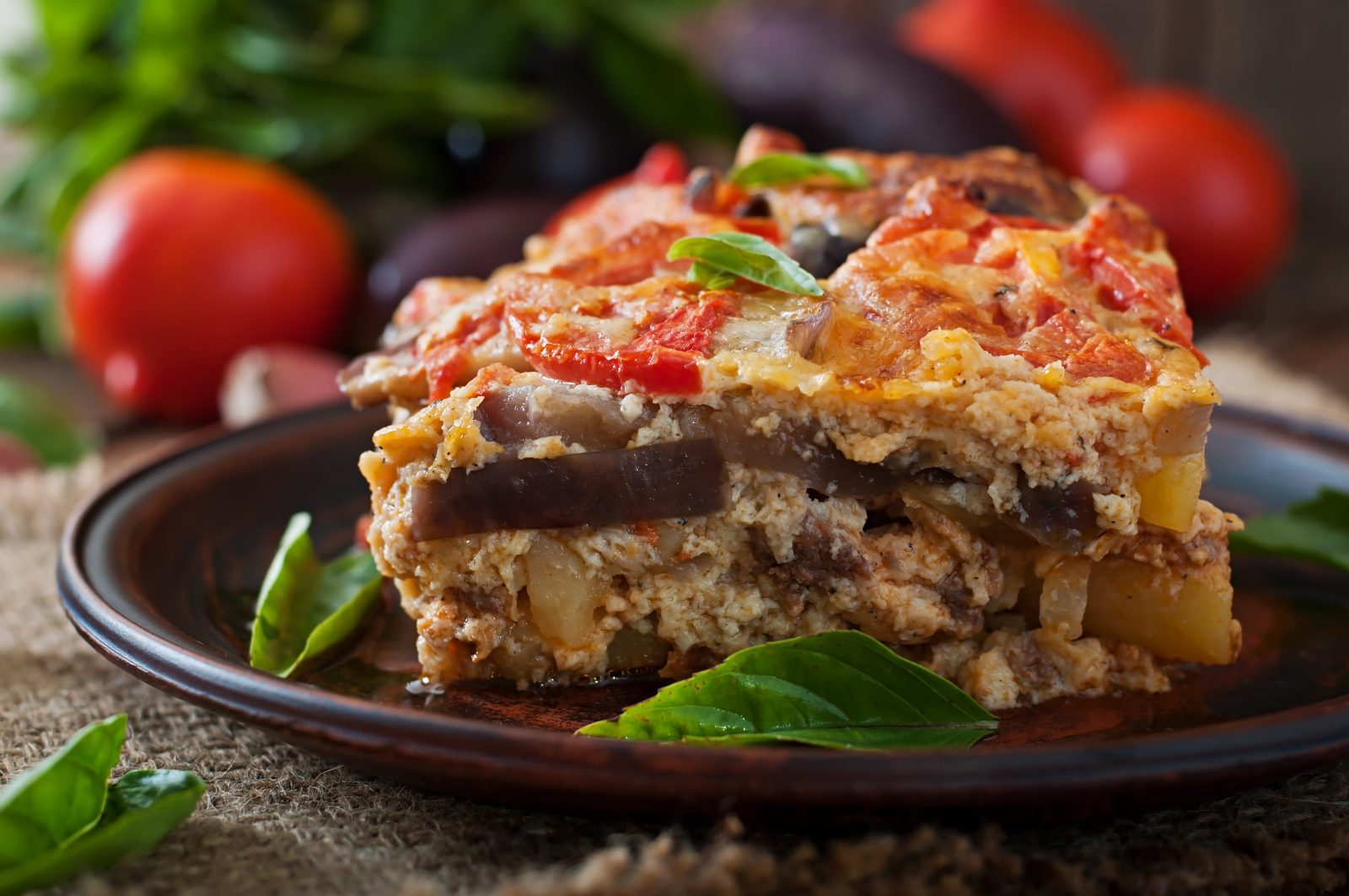
| Moussaka & pastitsio | Baked aubergine or pasta with mince and béchamel |
| Spanakopita / tyropita | Spinach or cheese pies in filo |
| Baklava & loukoumades | Filo-and-nut pastry / honey doughnuts |
The meze and the dips
A Greek meal is a shared table of meze. The dips are essential: tzatziki (strained yogurt, cucumber, garlic), melitzanosalata (smoky aubergine), taramosalata (fish-roe), and fava (yellow split-pea purée, famous on Santorini). Add dolmades (stuffed vine leaves), saganaki (fried cheese), keftedes (herby meatballs), grilled octopus, and horiatiki – the “village” salad of tomato, cucumber, onion, olives and a slab of feta with oregano and oil. Warm pita and good bread mop it all up.
The grill and the baked dishes
From the grill come souvlaki (skewers) and gyros (spit-roast, shaved) in pita, plus paidakia (lamb chops) and loukaniko sausage (see souvlaki vs gyros). The great baked dishes are moussaka (layered aubergine, mince and béchamel), pastitsio (its pasta cousin), and gemista (tomatoes and peppers stuffed with rice). The pites – spanakopita (spinach) and tyropita (cheese) in crisp filo – are everywhere, from bakeries to home tables.
The sweets, the drinks, and how to taste it
For dessert: baklava (filo, nuts and syrup), galaktoboureko (semolina custard in filo), loukoumades (honey doughnuts) and Greek yogurt with honey. Drink ouzo and tsipouro with meze, and Greece’s indigenous wines – Assyrtiko, Agiorgitiko and Xinomavro. Regional cooking varies – see Athens and Crete – and the best way in is a food tour or a cooking class. Plan from the Greece hub.
Frequently asked questions
What are the most famous Greek dishes?
Souvlaki and gyros, moussaka and pastitsio, spanakopita and tyropita, the meze dips (tzatziki, taramosalata, fava), Greek salad, and sweets like baklava and loukoumades – all built on olive oil and the grill.
What is meze?
A selection of small shared plates – dips, salads, fried cheese, grilled octopus, meatballs and more – eaten slowly with ouzo, tsipouro or wine. It’s the heart of the Greek table.
What wine goes with Greek food?
Greece’s indigenous grapes: crisp volcanic Assyrtiko from Santorini, red Agiorgitiko from Nemea, and structured Xinomavro from the north – plus ouzo and tsipouro with meze.
Taste Greece
Explore from the Greece hub: an Athens food tour, a cooking class, or a Crete food tour.