Xinomavro & Naoussa: Northern Greece’s “Greek Barolo”
Xinomavro is northern Greece's great red grape and Naoussa its most famous home - high in tannin and acid, pale but powerful, savoury and long-lived, and often called the "Greek Barolo." What it tastes like and where to taste it.
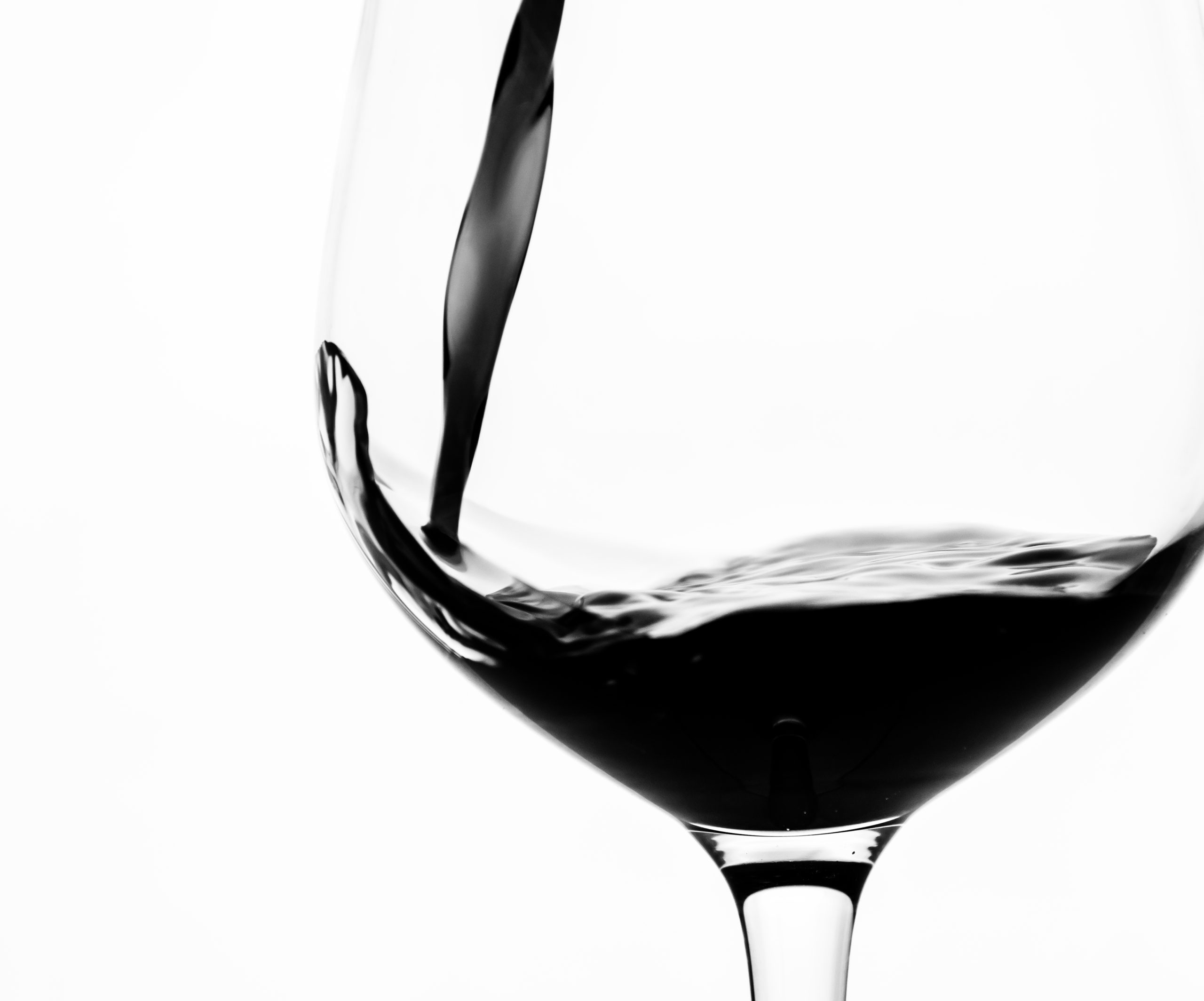
The short version: Xinomavro is northern Greece’s great red grape, and Naoussa is its most famous home. High in both tannin and acidity, pale in colour but powerful and long-lived, with flavours of tomato, olive, dried fruit and spice, it is so like Piedmont’s Nebbiolo that it is often called the “Greek Barolo.” An hour west of Thessaloniki, it is Greece’s most serious red.
At a glance
| What | Detail |
|---|---|
| Grape | Xinomavro (“acid-black”) |
| Home | Naoussa, Macedonia, northern Greece |
| Taste | Tomato, olive, dried fruit, spice; firm tannin and acid |
| Likened to | Nebbiolo – the “Greek Barolo” |
| Pairs with | Lamb, slow-cooked stews, aged cheese |
The grape: Xinomavro
The name means “acid-black,” and it tells you the essence: high acidity and dark, firm tannins. Yet the wine is often pale in colour, which fools people – it drinks far more powerfully than it looks, exactly like Nebbiolo, the grape of Barolo, to which it is constantly compared. Young Xinomavro can be austere and tannic; with age it develops a haunting mix of sun-dried tomato, black olive, dried fruit, leather and spice. It is Greece’s most age-worthy red and its most serious.
Naoussa and the northern appellations
Naoussa, on the slopes of Mount Vermio, is the benchmark PDO – 100% Xinomavro, structured and long-lived. Nearby, higher and cooler Amyndeon makes lighter, elegant versions and even rosé and sparkling from the grape; Goumenissa blends it with softer Negoska; and Rapsani, on the slopes of Mount Olympus, blends it with local grapes. Together they make northern Greece one of the most exciting red-wine corners of the Mediterranean, still largely undiscovered.
How to taste it, and with what
The wineries are about an hour west of Thessaloniki, and day trips from the city visit the Naoussa and Goumenissa estates with tastings. Xinomavro is a food wine above all – its acidity and tannin are built for roast lamb, slow-cooked stews, tomato dishes and hard, aged cheese, the everyday table of the Greek north. Give young bottles air, or seek out an older vintage to see what the fuss is about.
Frequently asked questions
What does Xinomavro taste like?
Firm and savoury – sun-dried tomato, olive, dried fruit and spice over high acidity and grippy tannins, often from a surprisingly pale wine. It ages beautifully.
Why is it called the “Greek Barolo”?
Because it resembles Nebbiolo, the grape of Barolo – pale but powerful, high in tannin and acid, and very long-lived.
Where can I taste Xinomavro?
In the Naoussa and Goumenissa wineries about an hour west of Thessaloniki; day trips from the city visit them. See our Thessaloniki page.
Where to taste Xinomavro
Visit the wineries on a day trip from our Thessaloniki page, or plan the wider Greek trip from the Greece hub.