Port Wine Explained: Ruby, Tawny, White & Vintage
What is port wine? Portugal's fortified wine from the Douro Valley, made by adding grape spirit mid-fermentation to leave it sweet and strong. Ruby, Tawny, White and Vintage styles explained, how to drink each, and where to taste it in the Gaia lodges.
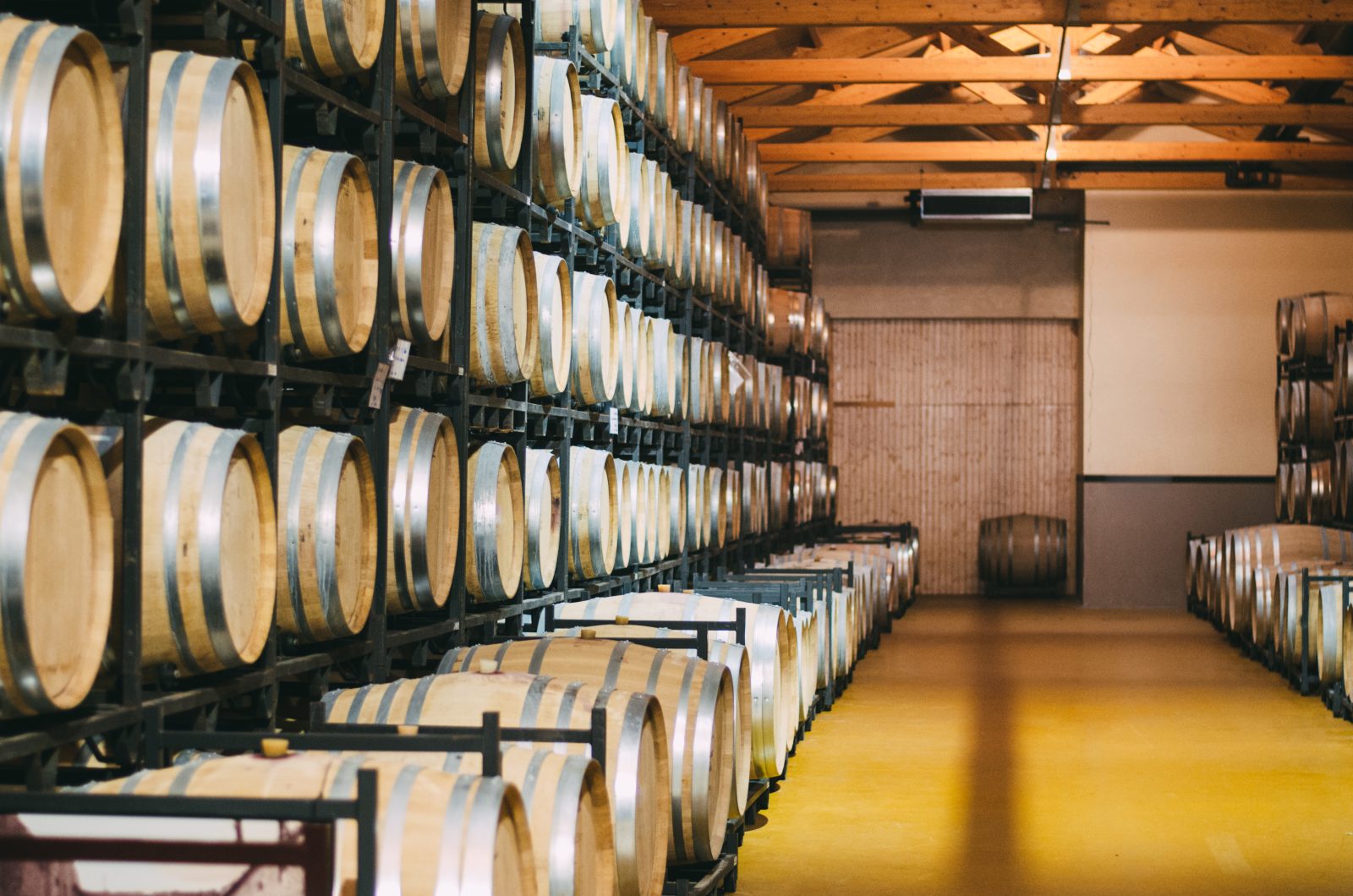
The short version: port is a fortified wine from the Douro Valley – grape spirit is added mid-fermentation, which stops it and leaves the wine sweet and strong (around 20%). The main styles are Ruby, Tawny, White and Vintage, aged in the lodges of Vila Nova de Gaia opposite Porto. It’s classically a dessert or after-dinner wine.
At a glance
| Style | What it is |
|---|---|
| Ruby | Young, fruity, deep red – the everyday style |
| Tawny | Barrel-aged (10/20/30/40 yr), nutty, caramel, amber |
| White | From white grapes; dry to sweet, good chilled or in a spritz |
| Vintage | Single great year, bottle-aged for decades – the top tier |
| LBV | Late Bottled Vintage – a more affordable vintage style |
What makes port different
Port is a fortified wine: during fermentation, before all the grape sugar turns to alcohol, winemakers add a neutral grape spirit (aguardente). This stops the fermentation, so the wine keeps its natural sweetness and jumps to around 19-20% alcohol. The grapes – Touriga Nacional, Touriga Franca, Tinta Roriz and others – come from the steep, terraced Douro Valley, one of the world’s oldest demarcated wine regions. The young wine is then brought downriver to age in the lodges of Vila Nova de Gaia, across from Porto.
The main styles
Two families, by how they age. Ruby-style ports age in tank or large vats to stay fruity and deep red – this includes basic Ruby, Reserve, LBV (Late Bottled Vintage) and, at the summit, Vintage Port from a single declared year, built to age for decades in bottle. Tawny-style ports age in small oak barrels, slowly oxidising to an amber colour with nutty, caramel and dried-fruit flavours; the best carry an age indication – 10, 20, 30 or 40 Years. There’s also White Port (from white grapes, lovely chilled or in a Port & Tonic) and pink Rosé.
How to drink it, and where
Serve Ruby and Vintage ports at cool room temperature with chocolate, berries or blue cheese; serve Tawny slightly cool with nuts, caramel desserts or on its own; and serve White Port chilled as an aperitif. The place to learn is the Gaia lodges – book a port cellar tour and tasting – and to see where it’s grown, take a Douro Valley day trip upriver. For the city’s food, see what to eat in Porto.
Sherry is port’s Spanish cousin – also fortified, but mostly dry and white; if you’re comparing the two, our sherry explained guide breaks down Fino, Oloroso and Pedro Ximénez.
Port’s bone-dry, summery cousin from northern Portugal is Vinho Verde: light, low-alcohol and made to drink young and cold.
Taste it in context on a Porto food tour with a cellar visit.
Plan the whole trip: the best food and wine experiences in Portugal.
Frequently asked questions
What is port wine?
A sweet fortified wine from Portugal’s Douro Valley, made by adding grape spirit during fermentation to stop it early – leaving natural sweetness and around 20% alcohol. It’s aged in the lodges of Vila Nova de Gaia near Porto.
What’s the difference between Ruby and Tawny port?
Ruby port ages in tanks or large vats to stay fruity and red; Tawny port ages in small oak barrels, turning amber and nutty with caramel and dried-fruit flavours, often with an age statement of 10 to 40 years.
How do you drink port?
Ruby and Vintage with chocolate, berries or blue cheese; Tawny slightly cool with nuts and caramel desserts or on its own; and White Port chilled as an aperitif or in a Port and tonic.
Taste port
Book a port lodge tour in Gaia or a Douro Valley wine tour, or plan the trip from the Portugal hub.