What Is Vinho Verde? Portugal’s Fresh Green Wine Explained
Vinho Verde is a region in northwest Portugal, not a grape or a colour - its wine is young, light, low-alcohol and often lightly fizzy, the best from Alvarinho. What it is, how to drink it, and where to taste it.
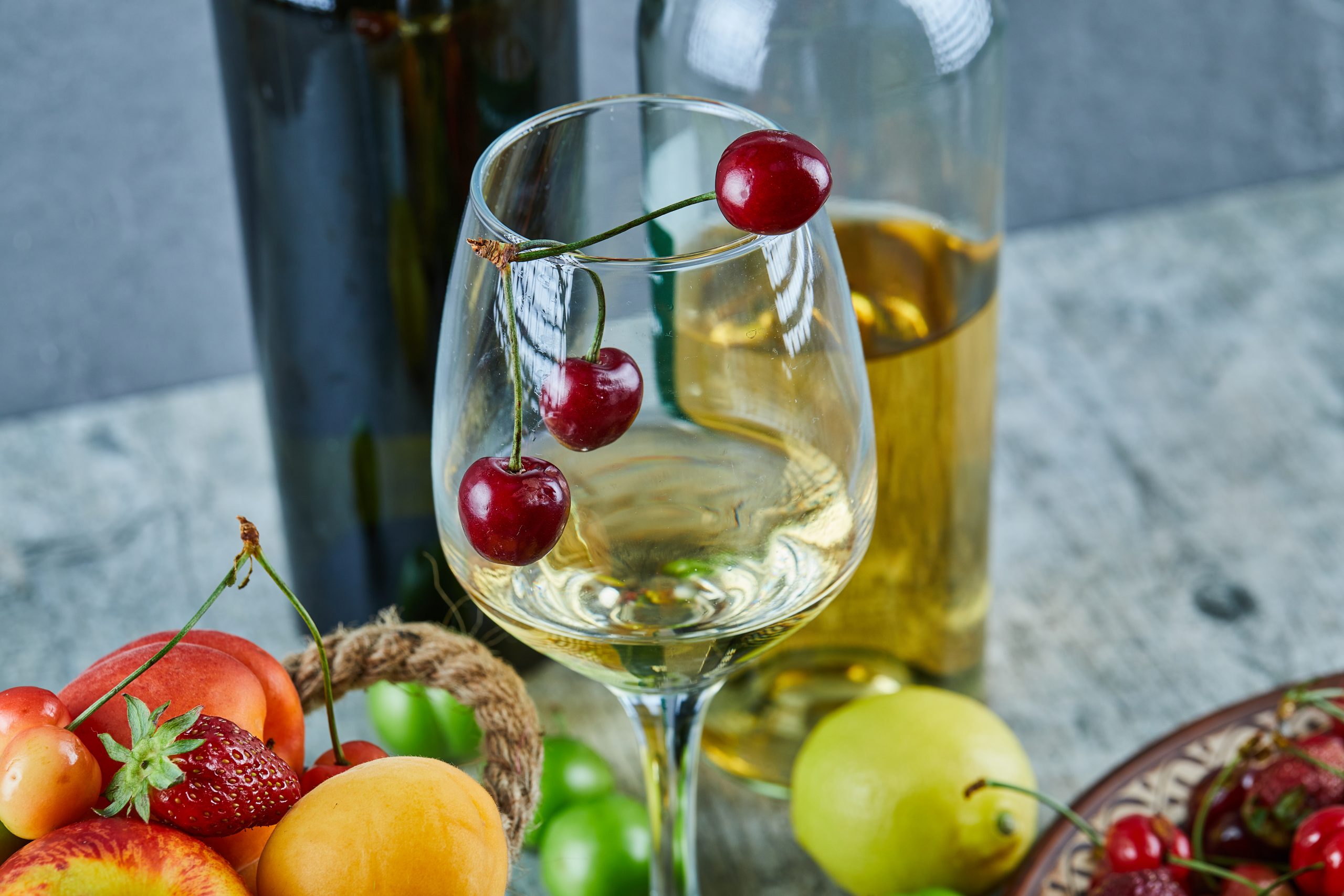
The short version: Vinho Verde is not a grape or a colour – it is a region in Portugal’s cool, green northwest, and its wine is young, light, low in alcohol and often faintly fizzy, made to drink cold and fresh. Most is crisp white, the best from the Alvarinho grape (Spain’s Albariño), and it is one of the great value wines for summer and seafood. Below is what it is and where to taste it.
At a glance
| What | Detail |
|---|---|
| What it is | A wine region in the Minho, NW Portugal – “green wine” |
| Style | Light, low-alcohol (9-11.5%), high acid, often lightly fizzy |
| Taste | Citrus, green apple, a saline or floral lift |
| Top grape | Alvarinho (the same as Spanish Albariño) |
| Drink with | Seafood, bacalhau, salads – served very cold |
“Green” means young, not the colour
The name Vinho Verde (“green wine”) confuses people: it refers to the wine being drunk young and fresh, not to any green colour – most is pale, straw-white. It comes from the Minho, the lush, rainy northwest corner of Portugal above Porto, the country’s largest wine region by area. The classic style is light, low in alcohol, high in acidity and often with a slight spritz (a gentle prickle of bubbles), which makes it thirst-quenching and very easy to drink.
Not all the same: Alvarinho and the styles
Simple Vinho Verde is a blend (Loureiro, Trajadura, Arinto, Avesso) made for early drinking. But the region also makes serious, age-worthy whites, above all from Alvarinho in the Monção e Melgaço subregion on the Spanish border – richer, more structured, with stone-fruit depth. Alvarinho is the very same grape as Spain’s Albariño just across the Minho river. There are red and rosé Vinho Verdes too, though the whites are what to seek. Nearly all of it is superb value.
How to drink it, and where
Serve it very cold, young (drink the most recent vintage), with seafood – it is the natural partner for grilled sardines, shellfish and bacalhau. In Porto the wine bars pour it by the glass; to go to the source, day trips run into the Minho from Porto, to Amarante, Guimarães and the Alvarinho country around Monção. It also makes a perfect apéritif on a warm day.
Vinho Verde vs Albariño
They’re closer than they look. The finest Vinho Verde is made from Alvarinho, and Alvarinho is the exact same grape as Spain’s Albariño – the Minho river is simply the border between them. The difference is style: Portuguese Alvarinho from Monção e Melgaço tends to be a touch lighter and zestier, Spanish Albariño from Rías Baixas a little rounder and more peachy, but both are crisp, saline, seafood whites. If you love one, you’ll love the other.
Which Vinho Verde to buy
For an everyday summer pour, any young blended Vinho Verde, well chilled, for a few euros – look for the most recent vintage and a bit of spritz. To taste what the region can really do, spend a little more on a single-varietal Alvarinho from Monção e Melgaço: still fresh, but with real stone-fruit weight and the ability to age a few years. Reds and rosés exist but the whites are the point.
Taste Portuguese wine on one of the Lisbon wine tastings and day trips, or head north on a Douro Valley day trip from Porto.
For a wine day out, see Lisbon wine tours to Setúbal and Arrábida.
Frequently asked questions
Is Vinho Verde a grape?
No – it is a wine region in northwest Portugal. The wine is usually a blend of local grapes, with the best whites from Alvarinho.
Why is it called “green wine”?
Because it is meant to be drunk young and fresh, not because of its colour – most Vinho Verde is pale white.
Is Vinho Verde fizzy?
Often lightly so – many have a gentle natural spritz that adds to the freshness. It is not a full sparkling wine.
Where to taste Vinho Verde
Taste it in the wine bars and on the food tours of our Porto page, or plan the wider trip, including the Douro, from the Portugal hub.