Split Wine Tours & Dalmatian Wine: Plavac Mali, Pošip & the Islands
Split wine tours and Dalmatian wine explained: Plavac Mali, Dingač and Postup from Pelješac, white Pošip and Debit, where tours go, and how to choose.
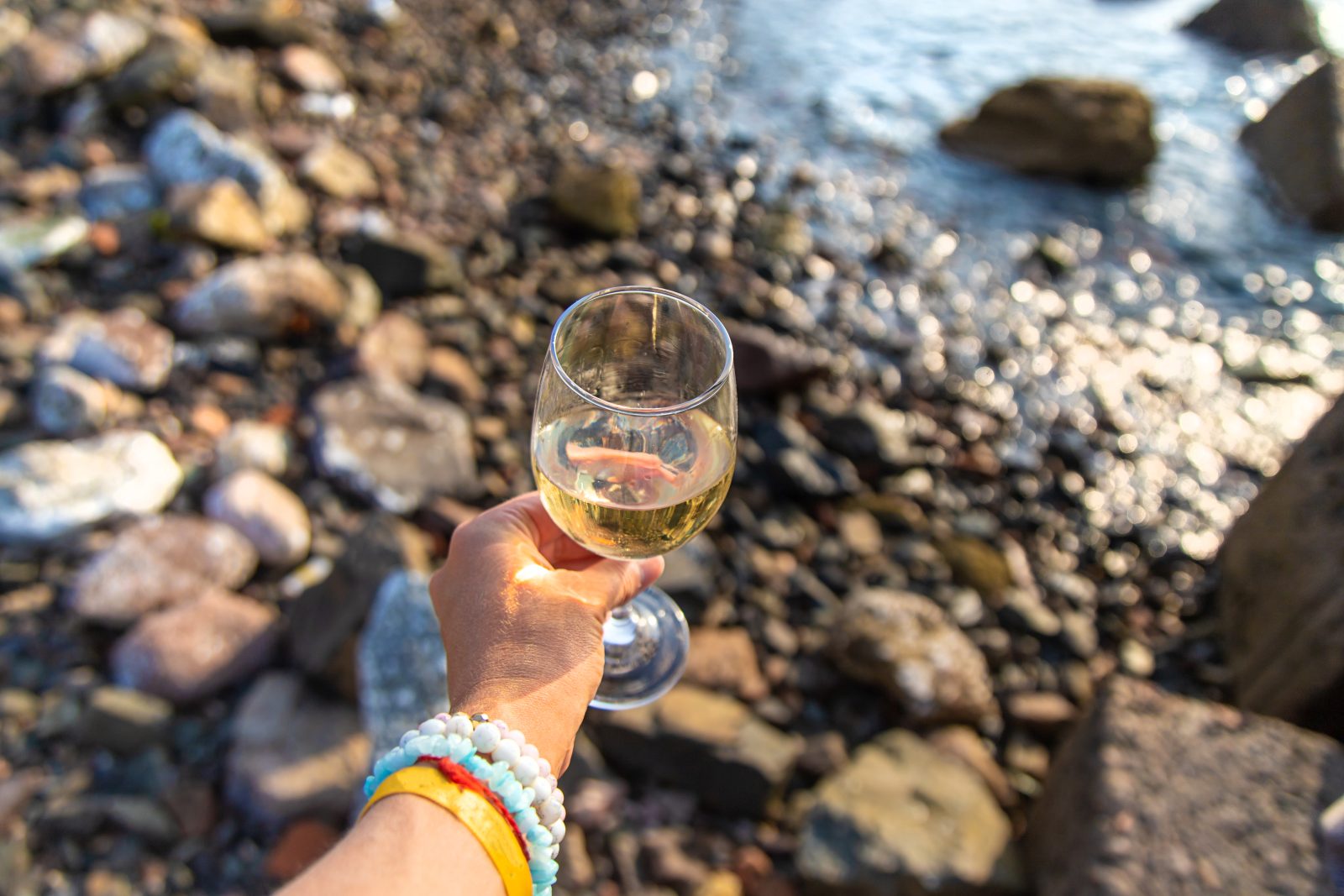
The short version: a Split wine tour means Dalmatian wine: bold reds from Plavac Mali (think Dingač and Postup on the Pelješac peninsula) and crisp whites like Pošip and Debit. You can taste in wine bars in Split itself, take a day trip to the Pelješac vineyards or the islands of Hvar and Brač, or add a tasting to a food tour. Here’s what to drink and how to plan it.
At a glance
| Question | Answer |
|---|---|
| What you’ll drink | Plavac Mali (red), Pošip & Debit (white), Dingač/Postup (top reds) |
| Where tours go | Split wine bars, Pelješac peninsula, Hvar & Brač islands |
| How long | In-town tastings 1-2 hrs; day trips a full day |
| Best for | Red-wine lovers, anyone pairing wine with the Dalmatian coast |
Dalmatian wine: the grapes to know
Plavac Mali is the signature red: dark, high in alcohol, grown on steep coastal slopes and a cousin of Zinfandel (both descend from the native Tribidrag, or Crljenak Kaštelanski, which comes from near Split). Its most famous expressions are Dingač and Postup, two protected cru sites on the Pelješac peninsula. For whites, Pošip (from Korčula) is the star, rich and citrusy, alongside Debit and Maraština. Around Šibenik, look for Babić, a peppery red from the stony vineyards of Primošten. Finish with Prošek, the sweet dessert wine (not to be confused with Prosecco).
Where Split wine tours go
Three broad options. In Split, wine bars and short tastings in the old town pour a range of Dalmatian labels, the easiest option with no travel. Pelješac day trips head south to the Dingač and Postup vineyards and the cellars around Potomje, often combined with oysters at Ston, the classic full-day wine excursion. Island trips to Hvar (Plavac and Pošip) and Brač pair tasting with a day on the water. Serious wine travellers base a day around Pelješac; most visitors do an in-town tasting or add wine to a food tour.
How to choose
If you have half a day or less, a guided tasting in Split covers the grapes without the drive. For a full day and the best reds, go to Pelješac. Check whether transport is included (the vineyards are an hour-plus from Split and you’ll be drinking), how many wines you’ll taste, and whether food – oysters, cheese, pršut – is part of it. Prefer tasting as you eat? A Split food tour includes local wine by the glass, and our what to eat in Split guide covers the food side.
On the island, see our guide to Hvar wine tours.
Heading out of town? See our food lover’s day trips from Split, including where to eat at Krka.
Frequently asked questions
What wine is Split known for?
Dalmatian wine: above all Plavac Mali, the bold native red (its cru sites Dingač and Postup on the Pelješac peninsula are the most prized), plus white Pošip and Debit.
Can you do a wine tour from Split?
Yes, options range from in-town tastings in Split’s old town to full-day trips to the Pelješac vineyards or the islands of Hvar and Brač.
Is Plavac Mali related to Zinfandel?
They’re closely linked: both trace back to Tribidrag (Crljenak Kaštelanski), a native grape from the Split area, so Dalmatia is effectively Zinfandel’s ancestral home.
What is Prošek?
A traditional Dalmatian sweet dessert wine made from dried grapes – despite the name, it’s nothing like sparkling Italian Prosecco.
Book a Split wine tour
Compare tastings and vineyard trips on our Split wine tours page, add a Split food tour, or plan the wider trip with the Dalmatian coast food route.
Recommended experiences to book
More guides
- Hvar Wine Tours: Plavac Mali, Bogdanuša & Island Wineries
- Split to Dubrovnik: A Dalmatian Coast Food Route
- What to Eat in Dubrovnik: Local Dishes, Where Locals Eat & the Best Food Tours
- Croatia Food & Wine Road Trip: Istria to the Dalmatian Coast
- Krka Waterfalls Day Trip: Where to Eat, Wine Tastings & the Best Tours