The short version: a Split food tour is a two-to-four-hour walk through the old town and the Pazar green market, tasting Dalmatian specialities as you go: pršut, Pag cheese, soparnik, black risotto, grilled fish and local wine, with a guide who explains what you’re eating and where to find it again. It’s the fastest way to understand Split’s food before you strike out on your own. Here’s what you’ll taste, where tours go, and how to pick one.
At a glance
| Question | Answer |
|---|---|
| What it is | Guided tasting walk through the old town + Pazar market |
| You’ll taste | Pršut, Pag cheese, soparnik, black risotto, grilled fish, Dalmatian wine |
| How long | About 2-4 hours, several tastings included |
| Where it starts | Usually the Pazar green market or the Riva / palace area |
| Best for | First day in Split, first-timers to Dalmatian food |
What you’ll taste on a Split food tour
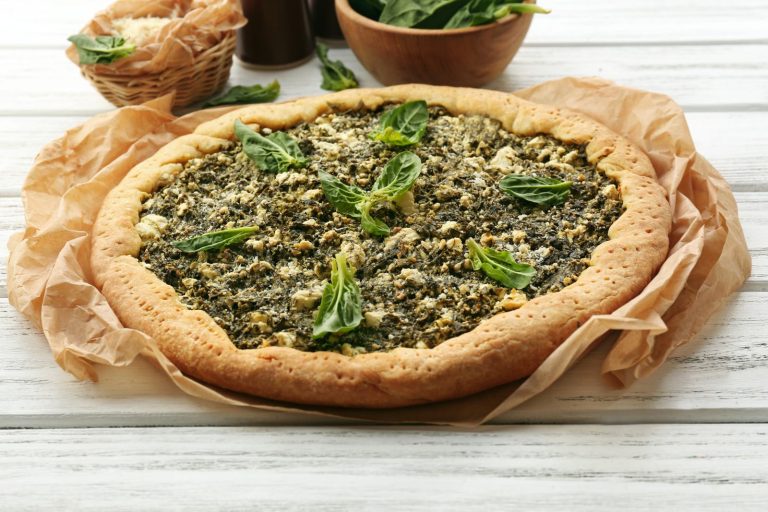
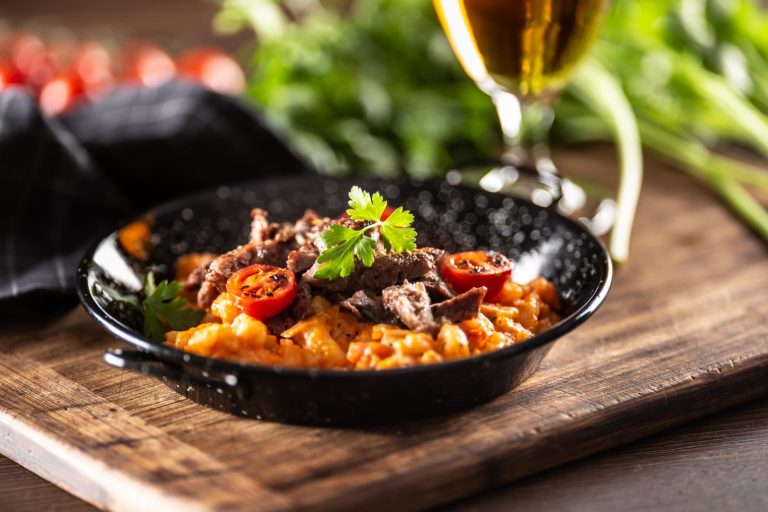
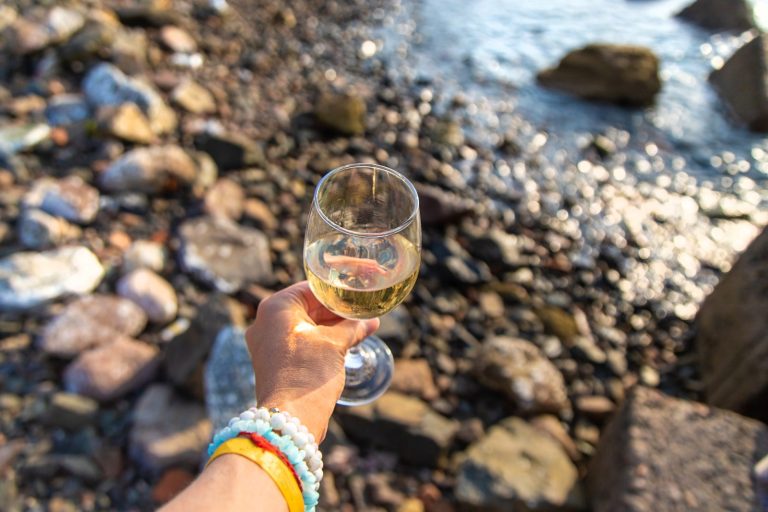
Dalmatian food is coastal, simple and seasonal, and a good tour gives you the greatest hits in one walk. Expect pršut (air-dried ham) and Paški sir (the famous hard sheep’s cheese from the island of Pag), soparnik (a thin Swiss-chard pie from the Poljica region), and crni rižot: black risotto coloured with cuttlefish ink. Many tours add grilled fish or octopus, pašticada (a slow-braised beef in a sweet-sour sauce, the Dalmatian Sunday dish), olives and olive oil, and something sweet like fritule (little fried doughnuts). It’s all washed down with Dalmatian wine: reds from Plavac Mali, whites like Pošip, and often a shot of rakija to finish. For the full dish-by-dish rundown, see what to eat in Split.
Where a Split food tour goes
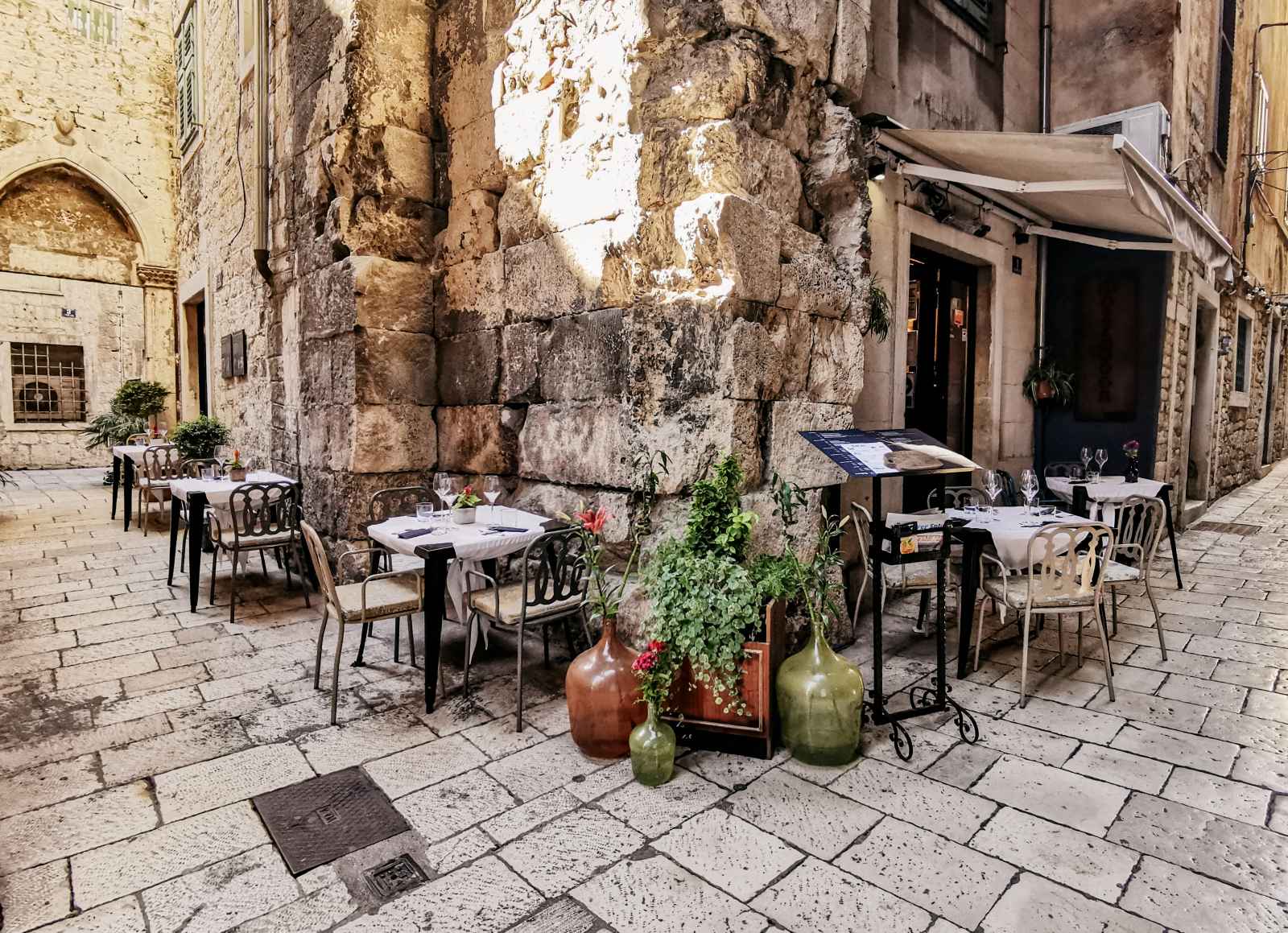
The heart of most tours is the Pazar (the open-air green market just east of Diocletian’s Palace) and the nearby Peškarija fish market: this is where the city actually shops. From there, tours wind through the alleys of Diocletian’s Palace, stopping at delis, bakeries and konobas (traditional taverns), and often finish near the Riva waterfront or in the old fishermen’s quarter of Matejuška or Varoš. Morning tours catch the markets at their liveliest; evening tours trade the markets for wine bars and a sit-down tasting once the day-trippers have gone.
How to choose a Split food tour
Pick by format and time of day. Small-group tours (usually up to 8-12) are the standard and the best value; private tours suit families or anyone who wants to set the pace. Morning market tours are about produce, cheese and ham with lighter bites; evening tours lean into konoba dishes and wine and work as a relaxed dinner-in-stages. Check whether wine is included, how many tastings there are (a good tour has at least four or five), and the group size. If you’d rather cook than just taste, consider a Split cooking class instead, or do both on different days.
Food tour, or do it yourself?
You can absolutely eat well in Split without a guide: our what to eat in Split guide and the 3-day Split food and wine itinerary will set you up. But a tour on your first day pays for itself: you learn which konobas are the real thing, what’s in season, and how to order, which makes every meal afterwards better. It’s the single best way to shortcut the learning curve.
Read up on what you’ll taste: soparnik, pašticada, and Dalmatian wine.
Frequently asked questions
How much is a food tour in Split?
Most small-group Split food tours run roughly €55-90 per person for two to four hours, with several tastings and usually some wine included. Private tours cost more per person.
How long does a Split food tour take?
Typically two to four hours, depending on how many stops and tastings are included. Evening tours that end with a sit-down course tend to be longer.
What do you eat on a Split food tour?
Dalmatian specialities: pršut, Pag cheese, soparnik, black risotto, grilled fish or octopus, pašticada, olives and olive oil, something sweet like fritule, and local wine such as Plavac Mali or Pošip.
When is the best time to do a Split food tour?
Do it early in your trip, ideally on the first full day, so you can use what you learn for the rest of your stay. Morning tours are best for the markets; evening tours for wine and konoba dishes.
Are Split food tours in English?
Yes, tours aimed at visitors are run in English, and guides are usually locals who know the city’s food well.
Book a Split food tour
Our pick: the Split Food Tour: Discover Split One Bite at a Time (4.9★, 55 reviews): four hours of Dalmatian tastings through the old town.
Compare guided tastings on our Split food tours page, swap in a Split cooking class, or plan the whole trip with the 3-day Split food and wine itinerary.