3 Days in Split for Food & Wine: A Flexible Itinerary
A flexible 3-day Split food and wine itinerary: ease into the old town and Dalmatian classics, spend a day on the Pazar market and a cooking class with local wine, then take a day trip to Hvar or the vineyards. Suggestions, not a fixed schedule.
The short version: three days is enough to eat Split properly – a first day easing into the old town and its Dalmatian classics, a second built around the Pazar market, a cooking class and local wine, and a third out on the water to Hvar or up into the Dalmatian wine country. Below is a loose, food-first shape for the trip, not a fixed schedule – bend it to your own pace.
A note on how to use this: these are suggestions and options, not a minute-by-minute plan. Opening times, ferry timetables, tour availability and prices change through the year, so treat the days as a flexible outline and confirm anything time-sensitive directly with the operator or venue before you go.
At a glance
| Day | The idea |
|---|---|
| Day 1 | Settle into the old town – Diocletian’s Palace, first Dalmatian tastes, a sunset by the Riva |
| Day 2 | The Pazar market, a hands-on cooking class, and Dalmatian wine in the evening |
| Day 3 | A day on the water (Hvar) or inland to the vineyards – your pick |
| Best base | Inside or just outside Diocletian’s Palace, walkable to everything |
| Getting around | Split is walkable; ferries and day-trip transfers cover the rest |
Day one – ease into the old town
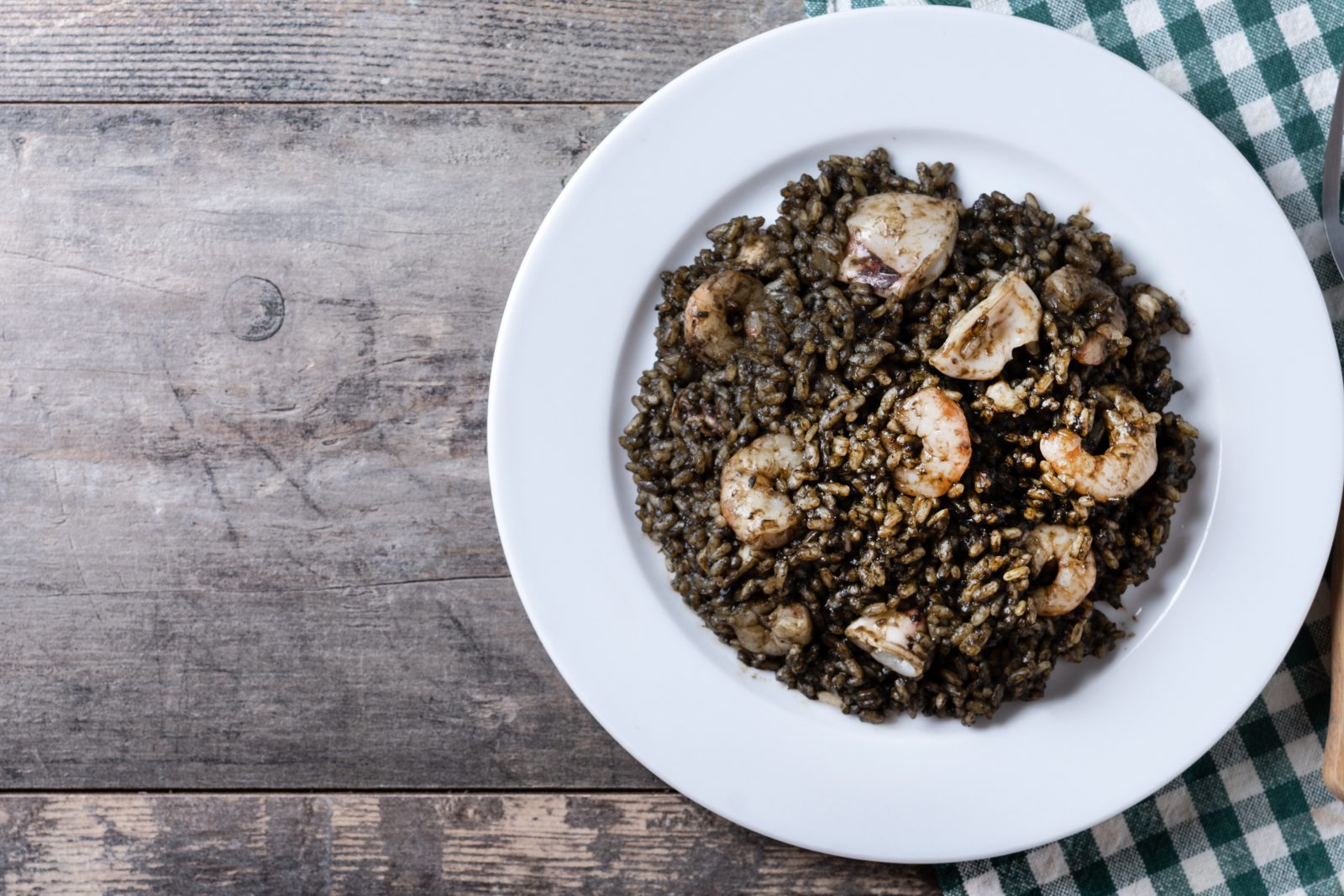
Split rewards a slow start. Many visitors spend the first morning simply wandering Diocletian’s Palace and the maze of marble lanes behind the Riva waterfront, getting their bearings and stopping for coffee like a local. For a first proper taste of Dalmatia, a Split food tour is the easiest way in – it does the introductions for you, threading together pršut (cured ham), sheep’s cheese, fresh fish and a first bite of peka or crni rižot (black risotto) without you having to research each stop. If you would rather graze on your own, the small konobas in the side streets and the bars along Matejuška harbour are a good place to start. Aim to be on the Riva or up on the Marjan hill for sunset. Not sure what to order all week? Our guide to the best food in Split is a useful primer.
Day two – the market, a cooking class and wine
Give the second day to actually getting your hands into the food. The Pazar (Green Market) just east of the palace walls is the city’s larder – produce, cheese, olive oil and cured meat – and a lovely, low-pressure hour first thing. From there, a Split cooking class is the highlight many people remember most: you typically cook something Dalmatian and hands-on – often peka, black risotto or handmade pasta – then sit down to eat what you made, usually with a glass of local wine. Most classes run a few hours, so it pairs naturally with a relaxed evening. To close the day, consider a Dalmatian wine tasting in town, working through the region’s signatures – muscular Plavac Mali reds and crisp Pošip whites – with someone who can explain what you’re drinking.
Day three – out on the water, or into the vineyards
The third day is where you choose your own adventure, and both options are easy from Split. On the water: a fast catamaran or an organised day trip out to Hvar gives you an island of lavender fields, old-town wine bars and some of the coast’s best Hvar wine – many day trips fold in a tasting or a seafood lunch. Inland: a Dalmatian wine day trip heads up into the hills and river valleys behind the coast, where family wineries pour Plavac Mali and Babić alongside a long, generous lunch. Either way, keep the last evening gentle – a final seafood dinner near the harbour is a fitting close. If you’re still deciding where to spend your Adriatic time overall, our Split or Dubrovnik comparison may help.
Where to base yourself, and a few practical notes
Stay in or just outside Diocletian’s Palace if you can – everything in this outline is then a short walk away, and you can drop your shopping or change before dinner without crossing town. Split is genuinely walkable, so you won’t need a car for the city itself; save the driving (or let an operator do it) for the day trips. Book cooking classes and island day trips ahead in July and August, when Split is at its busiest, and mention any dietary needs when you reserve – most hosts adapt happily. And keep the plan loose: the pleasure of Split is lingering over a long lunch, so leave room for the day to run away with you. Browse everything in one place on the Split food & wine hub.
For the full rundown of the city’s dishes, see our guide to what to eat in Split.
Start day one with a Split food tour to get your bearings on the city’s food.
Heading out of town? See our food lover’s day trips from Split, including where to eat at Krka.
Frequently asked questions
Is three days enough for Split?
Yes – three days lets you settle into the old town, do a market and a cooking class, and still take one day trip to an island or the wine country. It’s a comfortable amount of time to eat and drink well without rushing.
What food should I try in Split?
Look for peka (meat or octopus slow-cooked under an iron bell), crni rižot (black cuttlefish risotto), fresh grilled fish, Dalmatian pršut and cheese, and local Plavac Mali and Pošip wines. A food tour or cooking class is the quickest way to taste the range.
What’s the best day trip from Split for food and wine?
The island of Hvar for wine bars and seafood, or an inland Dalmatian wine tour up into the hills for family wineries and a long lunch. Both are easy day trips and often include a tasting.
Plan your Split food trip
Start with a Split food tour, book a cooking class or a Dalmatian wine tasting, or see everything together on the Split food & wine hub.
Recommended experiences to book
More guides
- Split Wine Tours & Dalmatian Wine: Plavac Mali, Pošip & the Islands
- What to Eat in Istria: Local Dishes, Where Locals Eat & the Best Food Tours
- The Best Olive Oil Tours in Europe: Puglia, Tuscany & Istria
- White Truffle vs Black Truffle, Explained
- Croatia Food & Wine Road Trip: Istria to the Dalmatian Coast