Croatian Dishes Explained: A Regional Food Guide
Croatian dishes explained by region: peka, black risotto, pašticada, brudet and soparnik on the Dalmatian coast; truffles and olive oil in Istria; štrukli, sarma and sausages in the continental north - plus the wines and sweets.
The short version: Croatian food splits by region – the Dalmatian coast is Mediterranean (fish, black risotto, peka, pašticada), Istria is truffles and olive oil, and the continental north is Central European (štrukli, sarma, sausages). These are the dishes worth knowing before you go.
At a glance
| Dish | Region & what it is |
|---|---|
| Peka | Coast – meat or octopus slow-cooked under an iron bell |
| Crni rižot | Coast – black cuttlefish-ink risotto |
| Pašticada | Dalmatia – sweet-sour braised beef with gnocchi |
| Brudet | Coast – tomato-based fisherman’s stew with polenta |
| Štrukli | Zagreb/Zagorje – baked cheese pastry |
| Fritule | Everywhere – little rum-and-citrus doughnuts |
The coast: slow fire and the sea
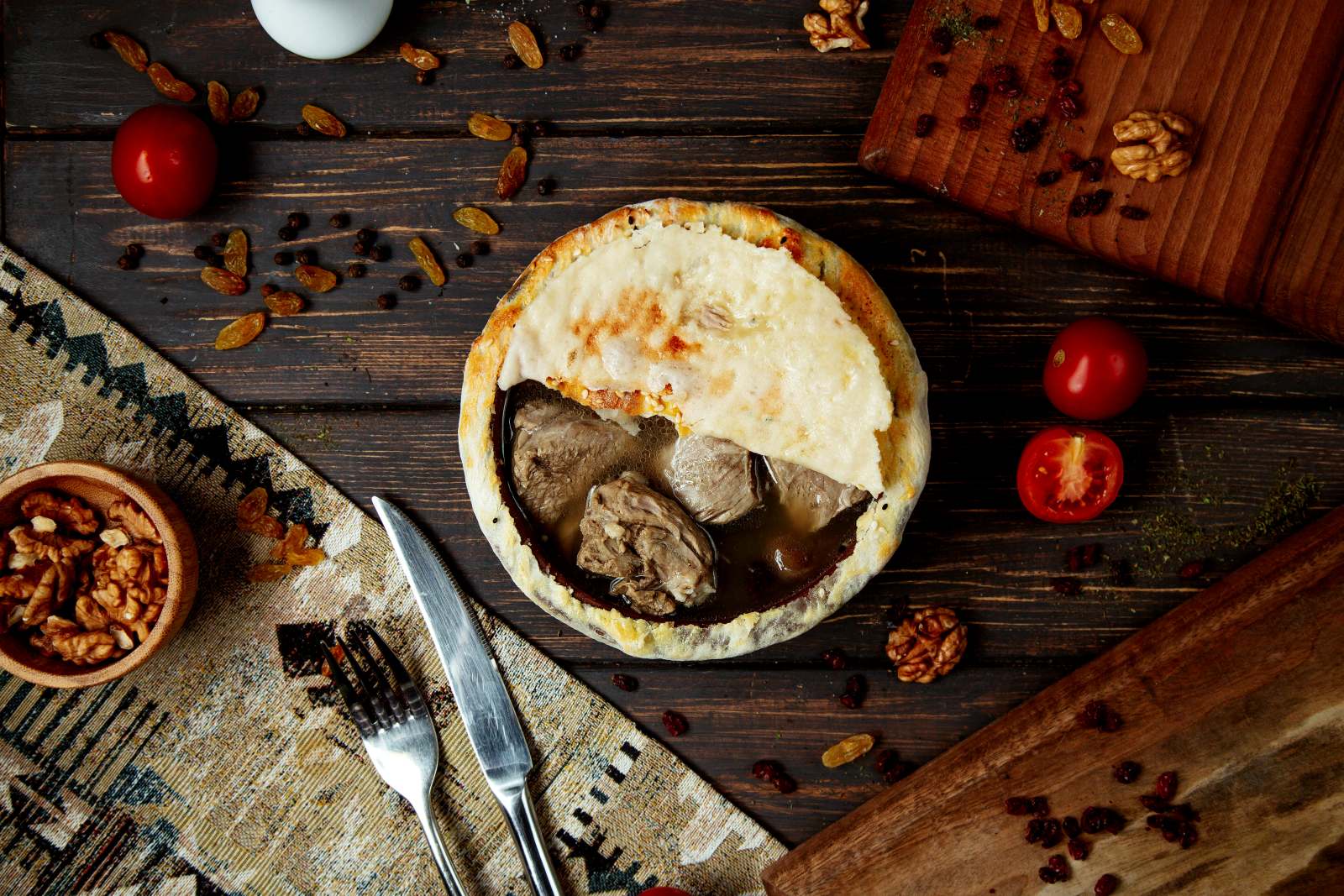
Dalmatian cooking is Mediterranean and unhurried. Peka is the icon – veal, lamb or octopus with potatoes cooked for hours under a domed iron lid (the peka or ispod čripnje) buried in embers. Crni rižot, black risotto, gets its colour and brine from cuttlefish ink. Brudet (or brodet) is the fisherman’s stew, mixed fish simmered in tomato and wine and eaten with palenta. And pašticada is the great feast dish of Dalmatia: beef marinated for a day, then braised in red wine, vinegar, prunes and spices until spoon-soft, served with gnocchi.
Istria and the north
Istria eats more like Italy: truffles (white in autumn, black the rest of the year) shaved over fuži pasta and eggs, top olive oils, wild asparagus, and maneštra, a hearty bean-and-vegetable soup – see the Istria pages. The continental north around Zagreb is Central European: štrukli (baked cheese pastry), sarma (sour-cabbage rolls), kulen (spicy Slavonian sausage) and roast turkey with mlinci. One flatbread bridges the regions: soparnik, a thin Poljica pie filled with chard, is Dalmatia’s oldest street food.
The sweets, and how to taste it all
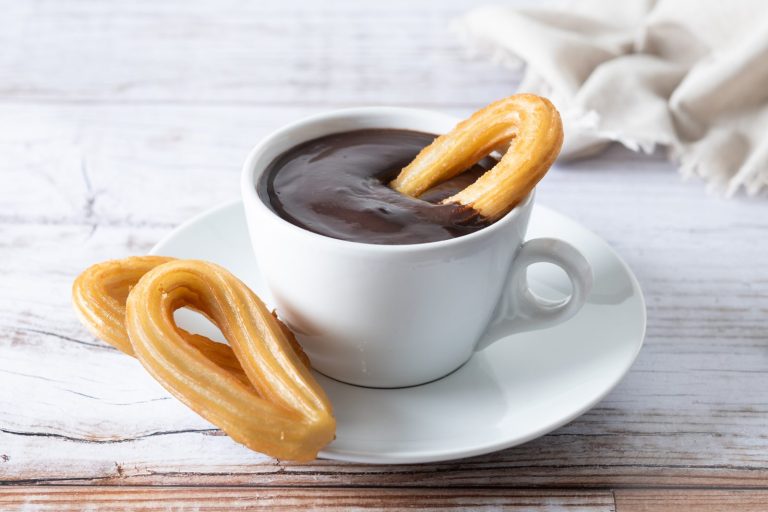
For dessert, fritule (rum-and-citrus fritters) and kroštule (fried ribbons) appear at every festival; the coast finishes with rožata (Dubrovnik’s crème caramel), the north with kremšnita (custard slice). Croatian wine is worth the detour too – Plavac Mali reds and Pošip whites on the coast, Graševina in the continental east, Malvazija in Istria. The best way to understand it is on the ground: a Dubrovnik or Split food tour, an Istrian truffle hunt, or a cooking class for the peka and pašticada.
Taste them on one of the Split food tours or Dubrovnik food tours.
More Croatian classics: Croatian cheeses and Croatian desserts.
Frequently asked questions
What is Croatia’s national dish?
There isn’t a single one – it varies by region. Peka, black risotto and pašticada define the Dalmatian coast; štrukli, sarma and sausages the continental north; truffles and olive oil, Istria.
What is peka?
Meat or octopus with vegetables slow-cooked for hours under a domed iron bell covered in embers – the coast’s signature ritual dish, usually ordered ahead.
What should I drink with Croatian food?
On the coast, Plavac Mali reds (Dingač, Postup) and Pošip whites; in Istria, Malvazija; in the continental east, Graševina – plus travarica herb grappa to finish.
Taste Croatia
Explore by region from the Croatia hub: food tours in Dubrovnik, Split and Zagreb, or an Istrian truffle and olive-oil trip.