Split Cooking Classes: Peka, Black Risotto & the Market
How a Split cooking class works: cook Dalmatian classics like peka, black risotto, handmade pasta and fritule in a konoba or local home, often after a Pazar market shop, then eat it with local wine. What you cook, the market, how long, and how to pick a class.
The short version: a Split cooking class is usually a few hours in a konoba or a local’s home near the old town – you cook Dalmatian classics like peka, black risotto or handmade pasta and fritule, often after a walk through the Pazar market, then sit down to eat what you made with local wine. Small, hands-on and the best way to take Split’s food home with you. Here is how it works.
At a glance
| Question | Answer |
|---|---|
| Where | Konobas and home kitchens in and around Split’s old town |
| You cook | Peka, black risotto, handmade pasta, fritule – Dalmatian classics |
| Often includes | A guided Pazar market shop and local wine with the meal |
| How long | Around 3-5 hours (peka classes run longer – it’s slow-cooked) |
| Best for | Couples, families and small groups wanting a hands-on half-day |
What you cook
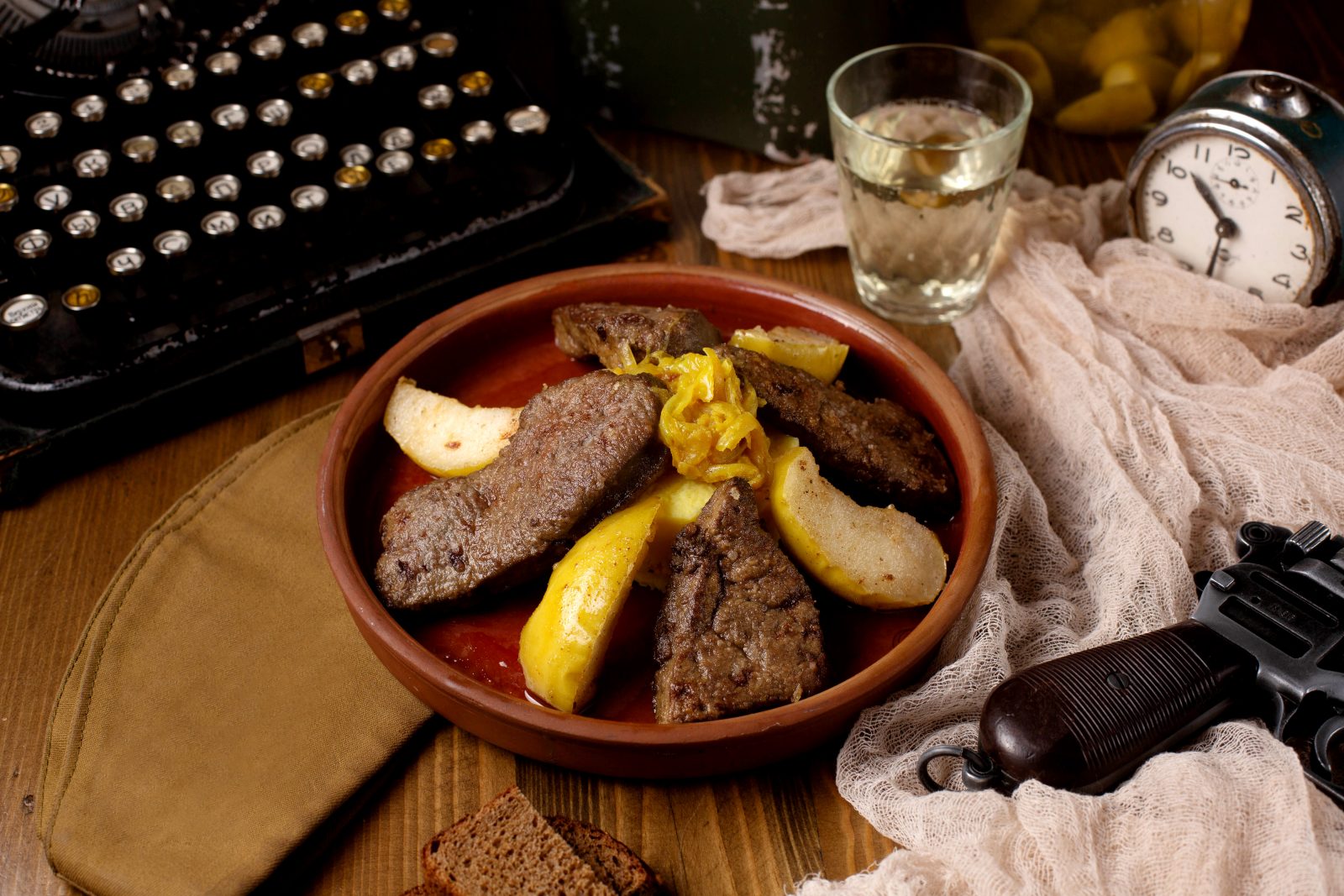
Classes lean into Dalmatian home cooking. The showpiece is peka – veal, lamb or octopus with potatoes slow-cooked under a domed iron bell buried in embers; because it takes hours, peka classes are longer and often the most memorable. Others focus on crni rižot (black risotto coloured with cuttlefish ink), handmade pasta or gnocchi for pašticada, fresh fish, and fritule (little rum-and-citrus fritters) to finish. A Split cooking class nearly always ends with everyone eating the meal together, paired with local Plavac Mali or Pošip wine. For the dishes you’ll meet, see what to eat in Split.
The market, and how a class runs
Many classes start at the Pazar (Green Market) just east of Diocletian’s Palace, where the host walks you through the stalls – seasonal produce, cheese, olive oil, cured meat – and explains how to choose before you cook. From there you move to a konoba or a home kitchen, usually a short walk away. Morning classes tend to shop and cook for lunch; afternoon ones make an early dinner. Groups are small and genuinely hands-on, so you do the work rather than watch a demo.
Tips for booking
Pick a small-group class for the market experience, or a private one for a couple or family. If peka is what you’re after, check the timing – it needs hours, so those classes start earlier. Confirm the meeting point and mention any dietary needs when you book; most home cooks adapt easily, and vegetarian menus are common. Book ahead in July and August. It pairs well with a Split food tour on another day and everything else on the Split hub.
Hungry for the theory too? Our guide to what to eat in Split covers the dishes you will cook and taste.
Prefer tasting to cooking? A Split food tour walks you through the market and konobas instead.
Two dishes worth learning the stories behind: soparnik and pašticada.
Heading out of town? See our food lover’s day trips from Split, including where to eat at Krka.
Frequently asked questions
What do you cook in a Split cooking class?
Dalmatian classics – most often peka (meat or octopus under an iron bell), black risotto, handmade pasta or gnocchi, and fritule for dessert – then you eat the meal you made with local wine.
Do Split cooking classes include a market visit?
Many do. They start at the Pazar (Green Market) by the palace walls, where the host shows you how to choose ingredients before you head to the kitchen to cook.
How long is a Split cooking class?
Usually three to five hours. Classes built around peka run longer because it is slow-cooked under embers, so allow extra time for those.
Book a Split cooking class
Compare peka, market-and-cook and seafood classes on our Split cooking classes page, add a Split food tour, or plan the wider trip from the Split hub.
Recommended experiences to book
More guides
- Istria Food & Wine Calendar: Truffles, Wine and Olive Oil, Month by Month
- 3 Days in Split for Food & Wine: A Flexible Itinerary
- The Best Olive Oil Tours in Europe: Puglia, Tuscany & Istria
- Krka Waterfalls Day Trip: Where to Eat, Wine Tastings & the Best Tours
- Day Trips from Split for Food Lovers: Krka, Hvar, Šolta & More