Peka Explained: Croatia’s Under-the-Bell Feast
What is peka? Croatia's slow-cooked dish of meat or octopus with potatoes, cooked for hours under a domed iron bell (ispod čripnje) buried in embers until tender and smoky. The versions, how to eat it, why you order it ahead, and where to try or cook one.
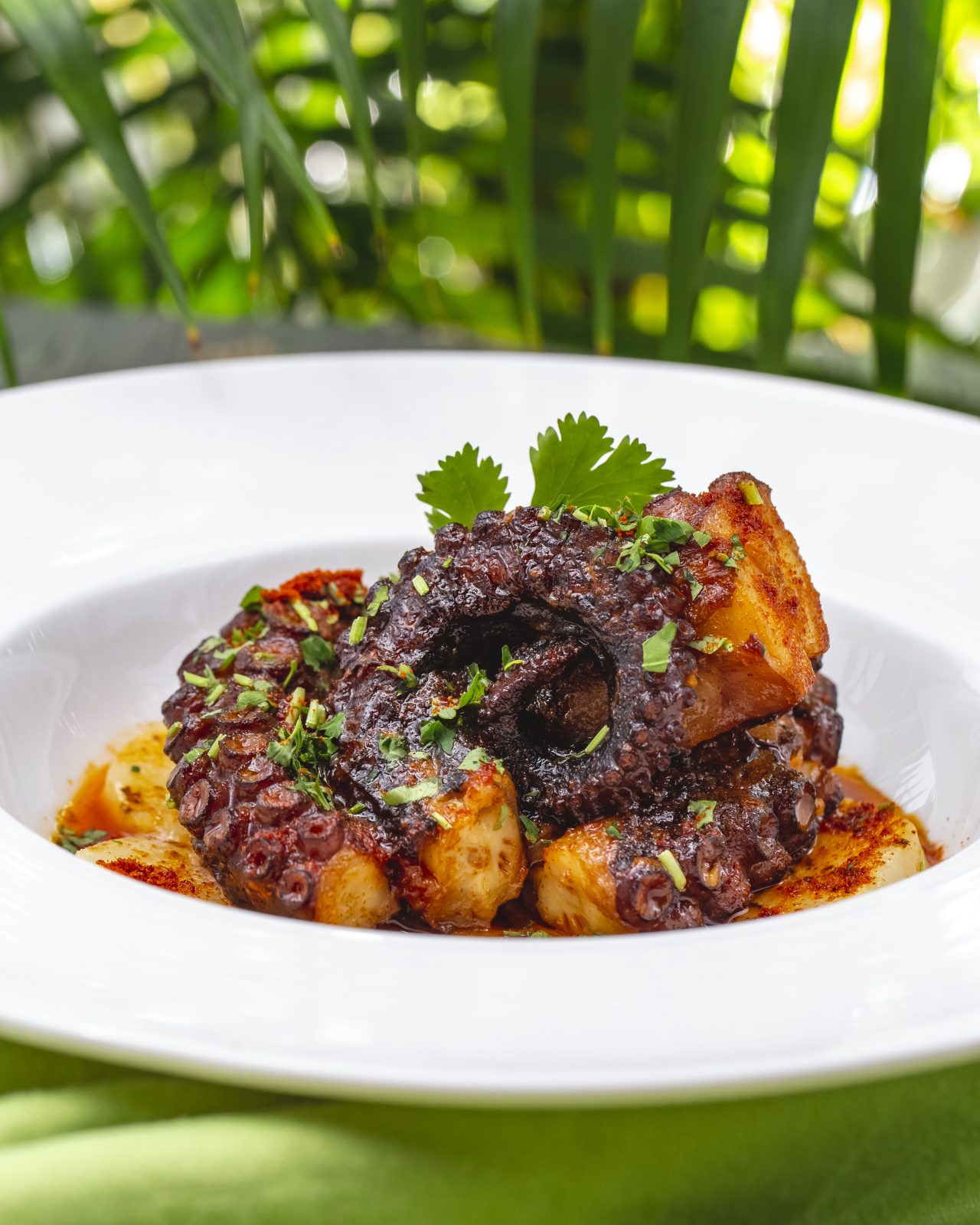
The short version: peka is Croatia’s great slow-cooked feast – meat or octopus with potatoes and vegetables cooked for hours under a domed iron or clay bell (the peka, or “ispod čripnje”) buried in glowing embers. The bell traps the heat and steam so everything turns meltingly tender and smoky. It’s a coastal ritual dish, usually ordered a few hours or a day ahead.
Taste Dalmatia in Split
Want to taste Dalmatian food with a local?
Our top pick is the Flavors of Dalmatia Walking Food Tour: a 3-hour food walk through Split, rated 4.8 from 110 reviews on GetYourGuide.
At a glance
| Question | Answer |
|---|---|
| What it is | Meat or octopus + potatoes slow-cooked under an iron/clay bell |
| Also called | Ispod čripnje (“under the bell”) along the Dalmatian coast |
| Common versions | Veal, lamb, octopus, or chicken – with potatoes and vegetables |
| How long | Roughly 2-4 hours under the embers |
| How to get it | Order ahead at a konoba, or cook one in a class |
What peka actually is
Peka is both the dish and the tool. The peka (in Dalmatia often ispod čripnje, “under the bell”) is a heavy iron or clay dome that sits over a shallow tray of food on the hearth. Hot embers are heaped on top and around it, so the food cooks slowly from every side in its own steam and fat. There’s no stirring and no rush – the sealed bell does the work, concentrating the juices and adding a gentle wood smoke. The result is meat that pulls apart at the fork and potatoes soaked in the pan juices.
The main versions
The classic fillings are veal and lamb, cut into big pieces and layered with potatoes, onions, carrots, garlic, olive oil, rosemary and a splash of wine. On the coast and islands, octopus peka (hobotnica ispod peke) is the prized version – the octopus goes tender and smoky against the potatoes. You’ll also find chicken peka, and occasionally mixed meats. It is a dish for sharing, cooked for a table rather than a plate, which is why it belongs to celebrations and long lunches.
How to eat it – and where
Because peka takes hours, konobas need notice: order it when you book, often a day ahead, or at least several hours before. It’s found all along the Dalmatian coast and islands, from Dubrovnik to Split and Hvar, and it appears in the continental interior too. Drink a coastal red – Plavac Mali – with the meat versions. The most rewarding way to understand it is to cook one: many Split and Dubrovnik cooking classes build the whole session around a peka. For the wider menu, see Croatian dishes explained.
Taste peka and more on one of the Split food tours or Dubrovnik food tours.
Frequently asked questions
What is peka?
A Croatian dish of meat or octopus with potatoes and vegetables slow-cooked for hours under a domed iron or clay bell (the peka) covered in hot embers, so it turns tender and lightly smoky. The name refers to both the bell and the dish.
What meat is used in peka?
Most often veal or lamb, and on the coast octopus, which is a delicacy. Chicken and mixed-meat versions also exist. Everything is cooked with potatoes and vegetables in one tray.
Why do you have to order peka in advance?
Because it cooks slowly under embers for two to four hours, restaurants prepare it to order – usually a few hours or a day ahead – rather than keeping it ready.
Taste peka
Cook one in a Split or Dubrovnik cooking class, find it on a Dalmatian food tour, or read more in Croatian dishes explained and on the Croatia hub.
Recommended experiences to book
More guides
- Croatian Dishes Explained: A Regional Food Guide
- Pašticada Explained: Dalmatia’s Slow-Braised Beef
- Day Trips from Split for Food Lovers: Krka, Hvar, Šolta & More
- The Best Truffle Hunting in Istria: Where to Go, When, and Which Hunt to Book
- Istria Day Trips for Food Lovers: Truffles, Hill Towns, Wine & Oysters