Lisbon Cooking Classes: Pastéis de Nata & Petiscos
How Lisbon cooking classes work: pastel de nata baking workshops where you laminate the pastry and make the custard tarts, and savoury petiscos or bacalhau classes, often after a market visit, then eaten with Portuguese wine. What you make and how to choose.

The short version: a Lisbon cooking class comes in two flavours – pastel de nata baking workshops, where you laminate the pastry and torch the custard, and savoury classes that cook a spread of petiscos (Portuguese small plates) or a bacalhau dish, usually after a market visit, then eat it with Portuguese wine. Hands-on and beginner-friendly. Here’s how it works.
At a glance
| Type | What you make |
|---|---|
| Pastel de nata workshop | Laminate the pastry and make the custard tarts yourself |
| Petiscos class | A spread of Portuguese small plates to share |
| Bacalhau / mains class | A classic salt-cod or seafood dish |
| Often includes | A market visit and Portuguese wine with the meal |
| How long | Nata workshops ~2 hours; full classes 3-4 hours |
The pastel de nata workshop
The most popular Lisbon class is the pastel de nata workshop. In a couple of hours you learn to laminate the puff pastry, press it into the little tins, make the egg-custard, and bake the tarts blazing hot so the tops blister – then eat them warm (see how the tart works). It’s hands-on, forgiving and genuinely useful – you leave able to make Portugal’s most famous sweet. Browse the options on the Lisbon cooking classes page.
Savoury classes: petiscos and bacalhau
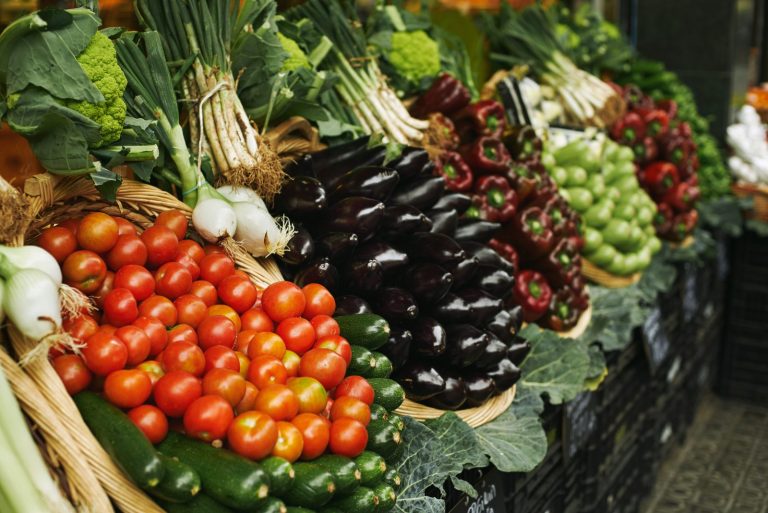
For a full meal, petiscos classes cook a spread of Portuguese small plates – think peixinhos da horta, clams, chouriço and salads – while others focus on a bacalhau (salt cod) main or fresh seafood. Many start with a market visit (the Mercado da Ribeira/Time Out or a neighbourhood market) where the chef shows you how to choose, before you cook and sit down to eat with Vinho Verde or a Portuguese red. For the dishes, see what to eat in Lisbon.
How to choose, and tips
Decide sweet or savoury first – a nata workshop is quick and fun; a petiscos or bacalhau class is a fuller experience with a proper meal. Pick a small-group class for the social side or a private one for a couple or family, and check whether a market visit is included. Mention dietary needs when you book. Book ahead in high season, and pair it with a Lisbon food tour on another day; plan from the Portugal hub.
Frequently asked questions
Can you learn to make pastéis de nata in Lisbon?
Yes – pastel de nata baking workshops are the city’s most popular class. You laminate the pastry, make the custard and bake the tarts yourself, then eat them warm and take the technique home.
What do you cook in a savoury Lisbon class?
Usually a spread of petiscos (Portuguese small plates) or a bacalhau (salt cod) or seafood main, often after a market visit, then eaten together with Portuguese wine.
Are Lisbon cooking classes good for beginners?
Yes – both the nata workshops and the savoury classes are designed for beginners, with a chef guiding each step.
Book a Lisbon cooking class
Compare nata workshops and petiscos classes on the Lisbon cooking classes page, add a food tour, or plan from the Portugal hub.
Recommended experiences to book
More guides
- The Best Food & Wine Experiences in Portugal: Porto, Douro, Lisbon & Madeira
- Port Wine Explained: Ruby, Tawny, White & Vintage
- The Best Food Tours in Europe: 20 Cities Worth Eating Through
- What to Eat in Lisbon: Local Dishes, Where Locals Eat & the Best Food Tours
- What to Eat in Porto: Local Dishes, Where Locals Eat & the Best Food Tours