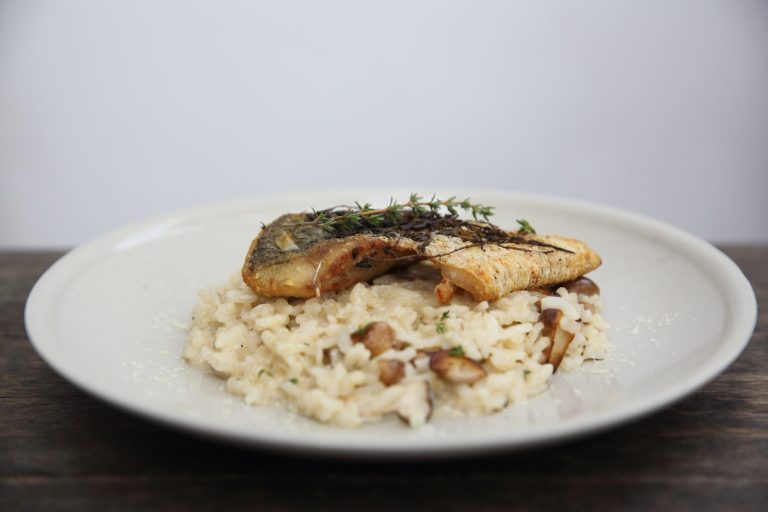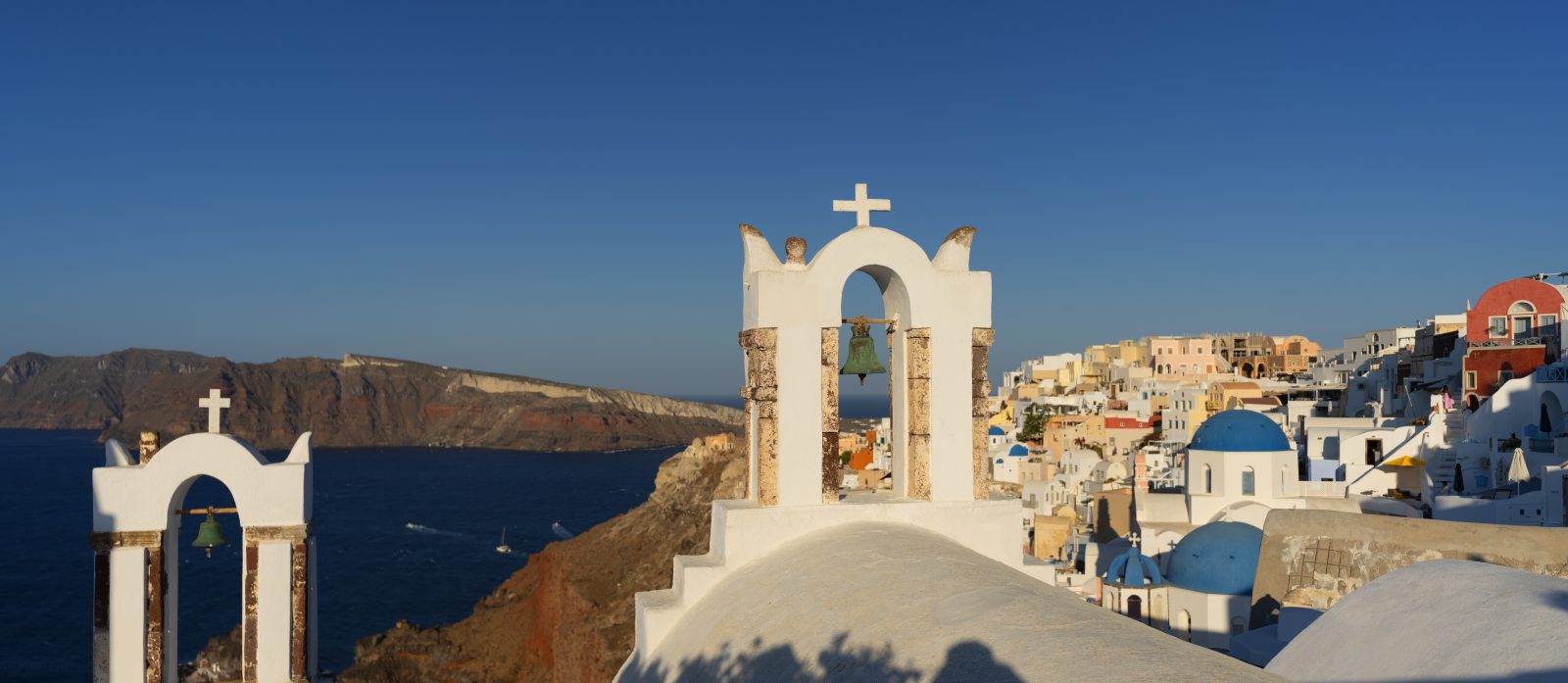
The short version: Santorini’s volcanic soil grows intensely flavoured produce — the sweet cherry tomatoes behind tomatokeftedes, tiny capers and caper leaves, white aubergines and fava (yellow split-pea purée), all eaten with fresh seafood over a caldera view and washed down with crisp Assyrtiko wine. Here is what to order.
At a glance
| Dish | What it is |
|---|---|
| Santorini fava | Creamy yellow split-pea purée (PDO), with onion and oil |
| Tomatokeftedes | Fritters of the island’s sweet cherry tomatoes |
| Caper & caper leaves | Wild capers, pickled, in salads and dips |
| White aubergine | Sweeter, less bitter local variety |
| Assyrtiko | Crisp, mineral volcanic white wine |
The volcanic produce
Santorini’s food starts with its volcanic soil and near-total lack of rain, which concentrate flavour. The famous fava Santorinis (a PDO) is a silky purée of local yellow split peas, topped with raw onion, capers and olive oil. The island’s cherry tomatoes (tomataki) are tiny and intense — fried into tomatokeftedes (tomato fritters), the island’s signature meze. Look too for white aubergines (sweeter than purple), wild capers and caper leaves, and chloro, the fresh goat’s cheese.
Seafood and the meze table
Being an island, Santorini eats plenty of seafood — grilled octopus (often drying in the sun by the tavernas), fresh fish, and mussels and shrimp. Round out the meze with Greek classics: tzatziki, dolmades, fresh salads with caper leaves and the local cheese, and grilled meats for those who want them. Eat away from the caldera-edge tourist spots when you can — the villages of the interior and the fishing port of Ammoudi below Oia serve the freshest, best-value food.
Assyrtiko, and how to eat it
Santorini is one of the world’s great wine islands. Its vines are trained into low basket shapes (kouloura) to survive the wind, and the star grape is Assyrtiko — bone-dry, mineral and citrusy, one of the finest whites in the Mediterranean (see Assyrtiko explained). Don’t miss the sweet sun-dried Vinsanto. A Santorini wine tour of the old wineries is a highlight, and a cooking class with a caldera view teaches the fava and tomatokeftedes. For the wider country, see Greek dishes explained.
Frequently asked questions
What food is Santorini known for?
Volcanic produce — Santorini fava (split-pea purée), tomatokeftedes (cherry-tomato fritters), white aubergines, capers and caper leaves — plus fresh seafood, all paired with the island’s crisp Assyrtiko wine.
What is Santorini fava?
A creamy purée of yellow split peas grown on the island (a PDO product), served warm with raw onion, capers and olive oil. Despite the name it contains no fava beans.
What wine should I drink in Santorini?
Assyrtiko, the island’s bone-dry, mineral volcanic white, and the sweet sun-dried Vinsanto for dessert. The old basket-trained vineyards are worth a tour.
Taste Santorini
Book a Santorini wine & food tour or a cooking class, or plan the trip from the Greece hub.