The short version: a Florence cooking class is usually a few hours in a kitchen or a Tuscan villa — you make fresh pasta (pici, ravioli, pappardelle), often pizza, tiramisù or gelato, frequently after a market shop at the Mercato Centrale or Sant’Ambrogio, then eat your work with Chianti. Hands-on, sociable and the best souvenir you can bring home. Here is how it works.
At a glance
| Question | Answer |
|---|---|
| Where | City kitchens and studios, or a Tuscan villa in the hills nearby |
| You make | Fresh pasta, sometimes pizza, plus tiramisù or gelato |
| Often includes | A market visit (Mercato Centrale / Sant’Ambrogio) and wine |
| How long | About 3–4 hours (villa classes with lunch run longer) |
| Best for | Couples, families and small groups; great for beginners |
What you cook
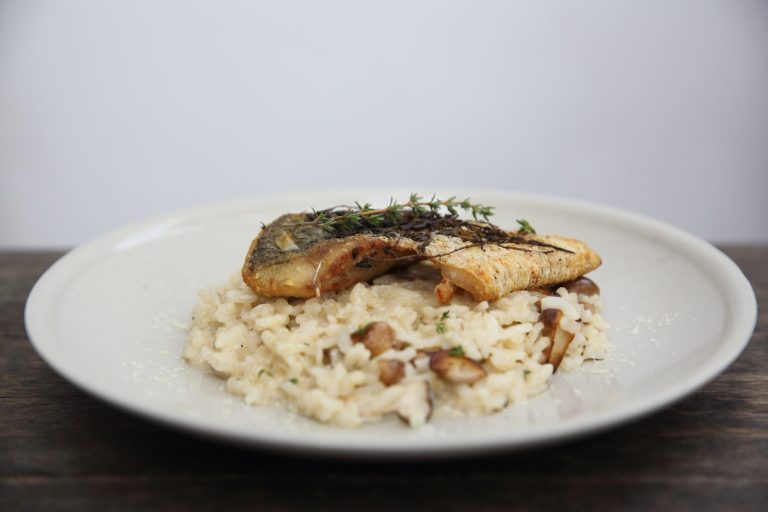
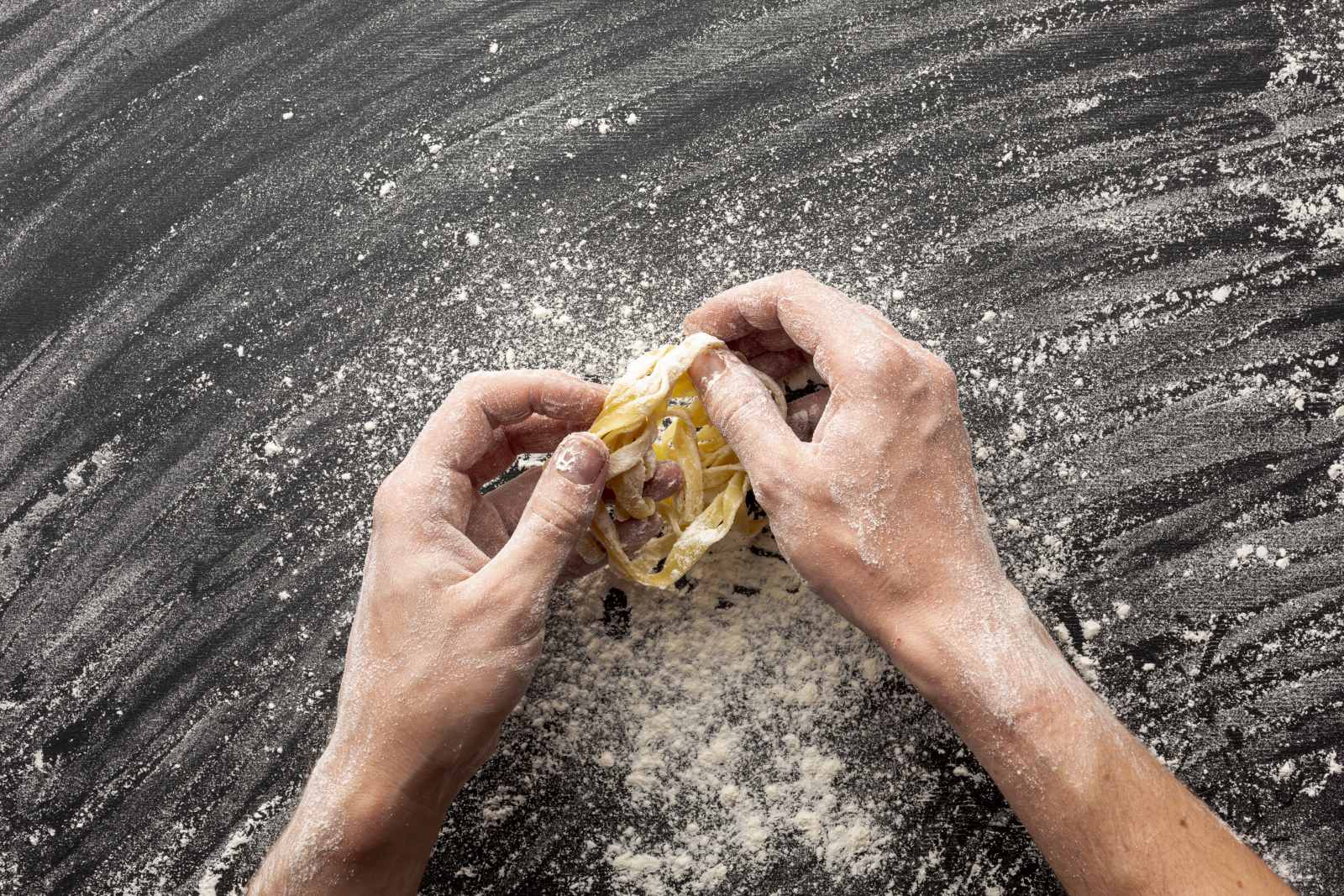
Most classes centre on fresh pasta — rolling and cutting pappardelle or tagliatelle, shaping hand-rolled pici, or filling ravioli — often with a Tuscan sauce like wild-boar ragù. Many finish with tiramisù, and Florence has a strong line in dedicated gelato workshops and pizza classes too. A Florence cooking class almost always ends with everyone sitting down to eat what they made, paired with Chianti or another Tuscan wine. If pasta is your focus, there are dedicated pasta-making classes that go deep on technique.
The market, the villa, and how a class runs
Many classes begin at a market — the tourist-famous Mercato Centrale or the more local Sant’Ambrogio — where the chef shows you how to choose produce, cheese and salumi before you cook. City classes run in a studio or home kitchen a short walk away; villa classes take you into the Tuscan hills for a half-day with a longer lunch and often olive oil and wine to taste. Groups are small and hands-on, so you do the cooking rather than watch.
Tips for booking
Pick a small-group class for the market experience, or a private one for a couple or family. Decide your focus — pasta, pizza, gelato or a full Tuscan menu — and whether you want a city class (quick and central) or a villa class (a half-day out with lunch). Mention dietary needs when you book; most adapt easily, and vegetarian menus are common. Reserve ahead in peak season. It pairs well with a Florence food tour on another day — see the dishes in what to eat in Florence.
Frequently asked questions
What do you cook in a Florence cooking class?
Usually fresh pasta — pappardelle, pici or ravioli, often with a Tuscan sauce — and frequently tiramisù, with dedicated pizza and gelato classes also widely available. You then eat the meal you made, with Tuscan wine.
Do Florence cooking classes include a market visit?
Many do, starting at the Mercato Centrale or the Sant’Ambrogio market, where the chef shows you how to choose ingredients before you head to the kitchen.
Are there cooking classes in a Tuscan villa near Florence?
Yes — villa classes take you into the hills for a longer half-day, usually with a full lunch and often olive oil and wine tasting, a nice option if you want the countryside as well as the cooking.
Book a Florence cooking class
Compare pasta, pizza, gelato and villa classes on our Florence cooking classes and pasta-making pages, add a food tour, or plan from the Florence hub.
Recommended experiences to book
More guides
- 5 Days in Naples & on the Amalfi Coast for Food
- Bistecca alla Fiorentina Explained: Florence’s Famous Steak
- Parmigiano, Balsamic and Prosciutto Tours: From Bologna, Parma or Modena?
- Prosecco vs Franciacorta vs Champagne: How They Differ and Which to Visit
- Italy Food & Wine Calendar: What to Eat and Drink, Month by Month