The short version: sherry is a fortified wine from Andalusia that runs from bone-dry to intensely sweet, aged by a unique blending system called the solera. The dry ones — Fino and Manzanilla — are crisp, saline and made for tapas; the dark ones — Oloroso and Pedro Ximénez — are rich and nutty to lusciously sweet. It is one of the world’s most misunderstood, and best-value, wines.
At a glance
| Style | Sweetness | Taste |
|---|---|---|
| Fino | Bone dry | Light, saline, almond — aged under flor |
| Manzanilla | Bone dry | Fino from Sanlúcar, extra sea-salt tang |
| Amontillado | Dry | Amber, nutty — a Fino that lost its flor |
| Oloroso | Dry (usually) | Rich, walnut, oxidative |
| Palo Cortado | Dry | Rare — between Amontillado and Oloroso |
| Pedro Ximénez (PX) | Very sweet | Black, raisiny, like liquid Christmas cake |
How sherry is made
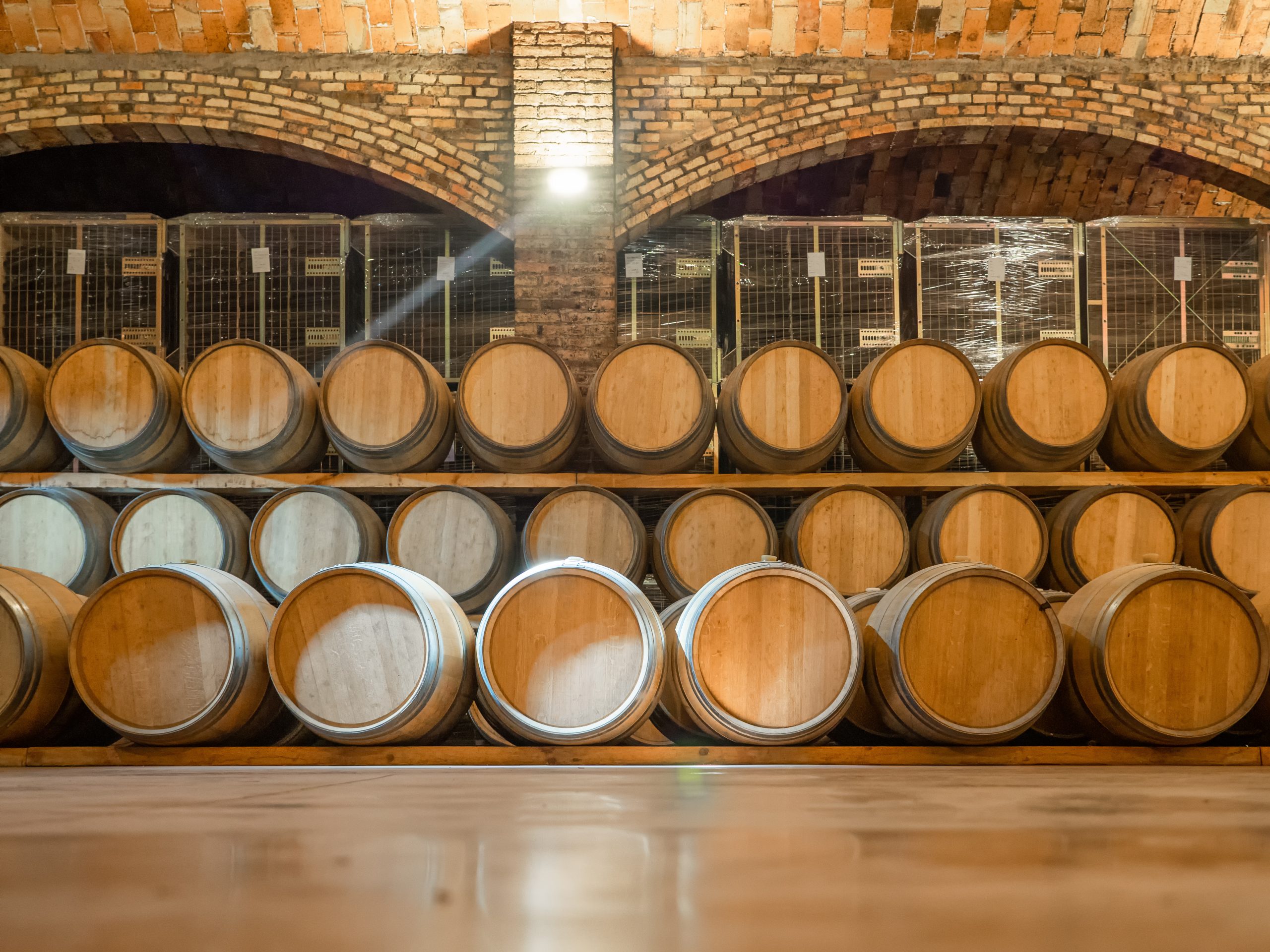
Sherry comes from the “Sherry Triangle” around Jerez, Sanlúcar de Barrameda and El Puerto de Santa María, mostly from the Palomino grape (the sweet styles use Pedro Ximénez and Moscatel). After fermenting dry it is fortified, then aged in a solera — a stack of barrels where older wine is topped up with younger in a continuous fractional blend, so a bottle is a mix of many years. The magic ingredient in the dry styles is flor, a living veil of yeast that grows on the wine and protects it from air, keeping it pale and fresh.
The dry styles: Fino, Manzanilla, Amontillado, Oloroso
Fino is aged its whole life under flor: pale, bone dry, saline and delicate. Manzanilla is the same thing made in seaside Sanlúcar, where the flor is thicker and the wine tastes even more of the sea. When the flor dies and the wine meets air it becomes Amontillado — amber, dry and nutty. Oloroso is aged with air from the start, so it is darker, richer and full of walnut and dried fig (dry, despite its depth). The rare Palo Cortado sits between the last two.
The sweet styles, and how to serve it
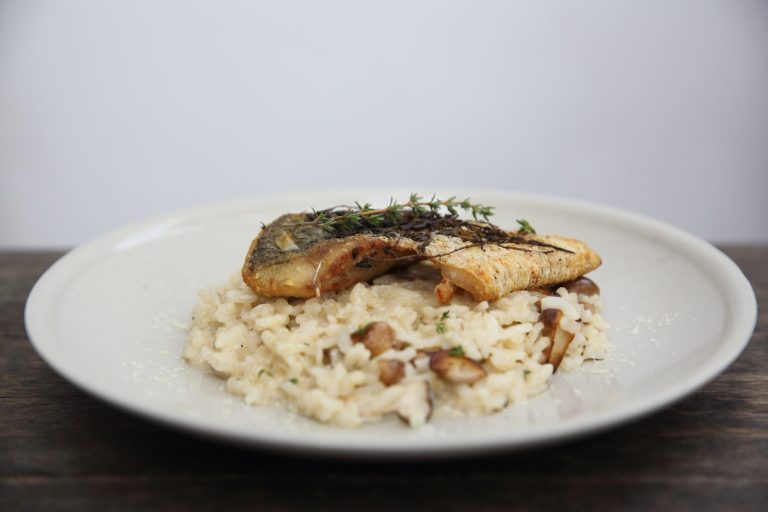
Pedro Ximénez (PX) is made from sun-dried grapes into an almost black, syrupy wine of raisin, fig and coffee — pour it over vanilla ice cream. Cream sherries are sweetened blends. The key to enjoying the dry styles: treat Fino and Manzanilla like white wine — serve them well chilled, drink them young and fresh from a recently opened bottle (an open bottle of Fino fades within days, so buy halves), with olives, almonds, jamón and fried fish. That is the tapas magic of Jerez.
Sherry vs Port: two great fortified wines
People often lump them together, but they are opposites in most ways. Sherry is Spanish, mostly dry, from the white Palomino grape, and its dry styles are aged under a veil of flor; port is Portuguese, almost always sweet, red (from Douro grapes) and fortified mid-fermentation to keep that sweetness — see our port wine explained guide. In short: sherry is the apéritif and tapas wine (start dry with Fino), port is the after-dinner sweet wine (finish with a Tawny). Both are extraordinary value next to still wines of similar quality.
Which sherry to try first
New to it? Start with a cold glass of Fino or Manzanilla alongside olives and jamón — that is sherry at its most surprising and food-friendly. From there, work toward the nutty Amontillado, the rich Oloroso, and finally a tiny glass of syrupy Pedro Ximénez over ice cream for dessert. Doing all five in a row, with tapas, is exactly what a bodega tasting in Jerez gives you.
Frequently asked questions
Is sherry sweet or dry?
It can be either. Fino and Manzanilla are bone dry; Amontillado and Oloroso are dry but rich; Pedro Ximénez and cream sherries are sweet. There is a sherry for every course, from apéritif to dessert.
What is the solera system?
A stack of barrels where wine is drawn from the oldest and refilled from younger barrels in a continuous blend, so every bottle contains a little of many vintages rather than a single year.
Is sherry the same as port?
No — sherry is a mostly-dry Spanish white fortified wine aged under flor; port is a sweet Portuguese red fortified wine. Sherry is the apéritif and tapas wine, port the after-dinner one.
What is the best sherry for beginners?
A well-chilled Fino or Manzanilla with olives and almonds — crisp, saline and food-friendly. If you prefer something richer, try an Amontillado.
What should I eat with Fino?
Serve it cold with olives, almonds, jamón and fried fish — it is one of the great tapas wines. See our Jerez sherry page.
Where to taste sherry
Tour the historic bodegas and taste the full range from Fino to Pedro Ximénez on our Jerez sherry tours, or plan the trip from the Spain hub.