The short version: five days is the sweet spot for eating and drinking your way across Tuscany — two in Florence for markets, bistecca and a cooking class, a day in the Chianti hills, a day south among the Brunello and Vino Nobile vineyards of the Val d’Orcia, and a fifth for whatever you love most, from truffles to the Super Tuscan coast. Below is a loose, food-first shape for the trip, not a fixed schedule — bend it around opening hours, harvest season and your own appetite.
A note on how to use this: these are suggestions and options, not a day-by-day timetable. Winery visits, cooking classes and food tours almost always need booking, and market days, tasting-room and restaurant hours change through the year — so treat the days as a flexible outline and confirm anything time-sensitive directly with the operator or venue before you travel.
At a glance
| Day | The idea |
|---|---|
| Days 1–2 | Florence — markets, a food tour, bistecca, a cooking class and a wine tasting |
| Day 3 | The Chianti hills — vineyards, a family estate and a long farmhouse lunch |
| Day 4 | South to Montalcino, Montepulciano and the Val d’Orcia — Brunello and Vino Nobile |
| Day 5 | Your choice — truffle hunting, olive oil, the Super Tuscan coast, or Lucca and Pisa |
| Best base | Florence for two nights, then one night south near Montalcino or in the Val d’Orcia |
| Getting around | Florence needs no car; wine country is easiest by organised day trip or a careful drive |
Days one and two — Florence
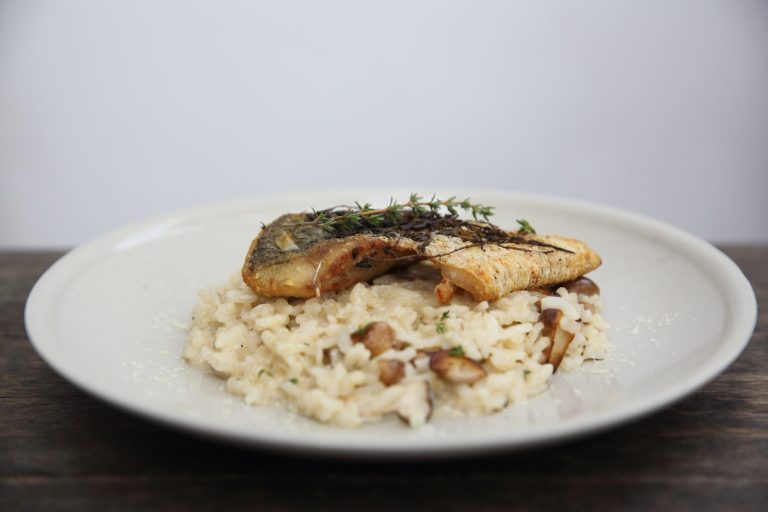
Begin where Tuscany shops and eats. Give the first day to Florence‘s markets — the bustling Mercato Centrale and the more local Sant’Ambrogio — ideally on a Florence food tour that threads them together with pecorino, salumi, crostini and the tripe street-food sandwich, lampredotto. Save the evening for the city’s signature plate, bistecca alla fiorentina, the great charred T-bone (see how it works). On the second day, cook: a Florence cooking class making fresh pasta or gelato, then a Tuscan wine tasting to set up the vineyard days ahead. Our 3 days in Florence guide goes deeper if the city is your main stop, and what to eat in Florence covers the plates to order.
Day three — the Chianti hills
Head into the countryside between Florence and Siena. Chianti is the classic first vineyard day — rolling hills, stone villages and family estates pouring Chianti Classico (Sangiovese with the black-rooster seal), almost always with olive oil to taste and a farmhouse lunch. A Chianti wine tour from Florence is the simplest way to do it without driving after tastings; our pick of the best Chianti tours from Florence helps you choose, and the full Tuscan wine route maps how Chianti links to the towns further south.
Day four — Montalcino, Montepulciano and the Val d’Orcia
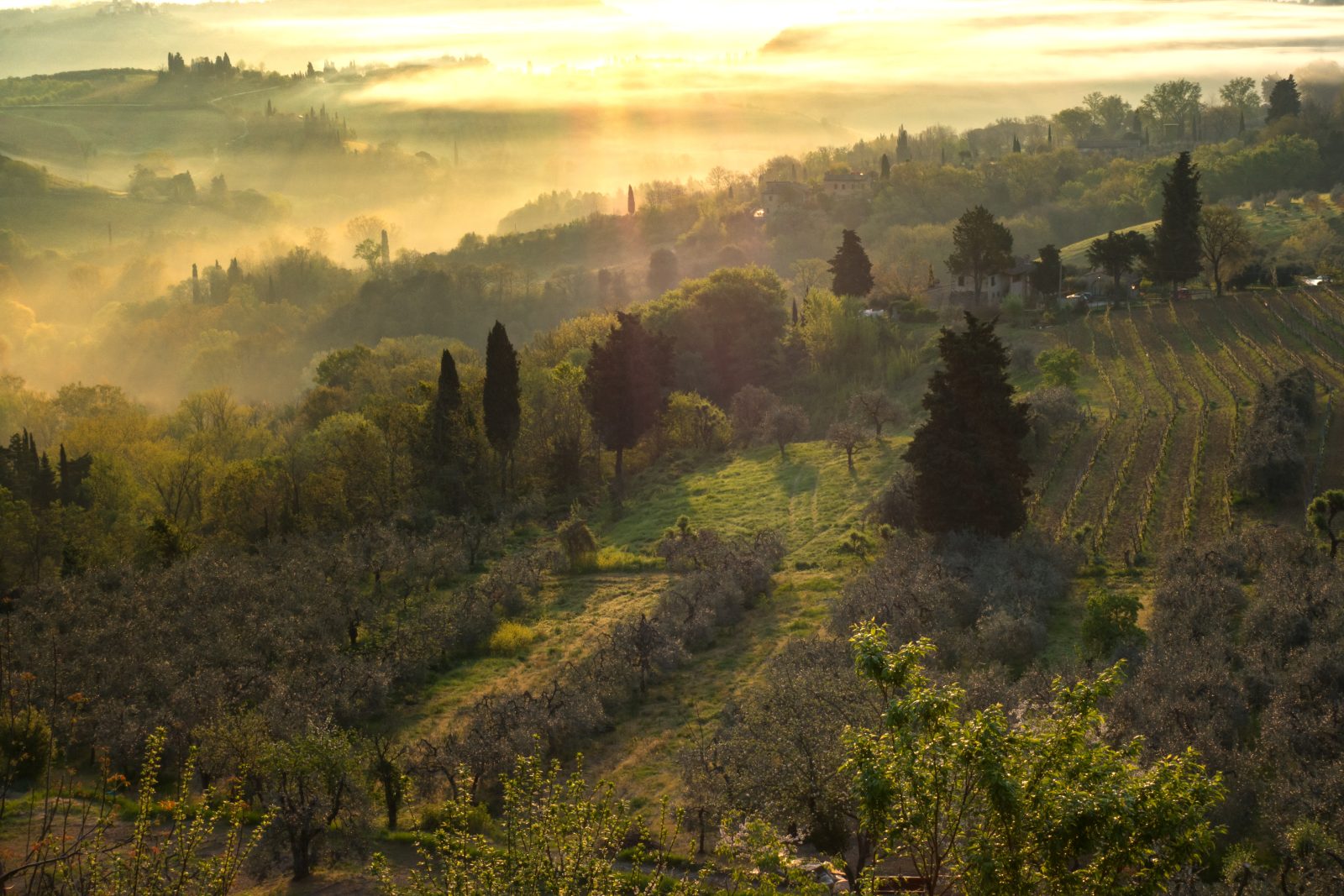
Go south to the region’s grandest reds and its most beautiful valley. Montalcino makes Brunello, the most powerful and age-worthy Sangiovese — our Brunello di Montalcino wine tour guide covers how to visit, and Montalcino tastings lists the trips. Nearby Montepulciano pours elegant Vino Nobile from cellars under the town (Montepulciano wine tours), and between them the Val d’Orcia unfolds — cypress avenues, golden hills and Pienza‘s famous pecorino cheese. A Val d’Orcia food and wine trip ties the scenery, cheese and wine together (see our Val d’Orcia wine tasting guide). If you’re weighing which wine town suits you, Chianti vs Montalcino vs Montepulciano lays it out. Historic Siena makes a fine base or lunch stop for this day — browse Siena food and wine tours.
Day five — your choice
Spend the last day on whatever you love most. Hunt for white or black truffles with a dog and a trifolau, then eat them at lunch — see Tuscany truffle hunting. Taste peppery new-harvest oil on a Tuscan olive oil tour. Drive to the coast for the Super Tuscans of Bolgheri. Or slow right down in Lucca or Pisa for a gentler food day. Whatever you pick, our Tuscan dishes explained guide is a good primer on what to order along the way.
Where to base yourself, and how to travel it
The easy structure is two nights in Florence — compact, walkable and car-free — then one or two nights south, near Montalcino or in the Val d’Orcia, to be among the vineyards for days four and five. If you’re choosing a single base for the whole trip, our Florence or Siena guide compares the two. A car gives the most freedom in wine country, but remember that tastings mean you shouldn’t drive after — so many people book organised wine day trips for the tasting-heavy days, or base in one town and let a driver handle it; our how to visit Tuscan wineries without a car guide covers the options. Reserve cooking classes and cellar visits ahead in spring and autumn peak season, mention any dietary needs when you book, and above all keep it loose — a Tuscan lunch is meant to linger. Plan the whole trip from the Tuscany food and wine hub.
Frequently asked questions
How many days do you need in Tuscany for food and wine?
Five days is ideal: two in Florence for markets, bistecca and a cooking class, one in Chianti, one among the Brunello and Vino Nobile vineyards and the Val d’Orcia, and a fifth for truffles, olive oil, the coast or Lucca and Pisa. Three days works if you focus on Florence plus one wine day.
What is the best base for a Tuscany food and wine trip?
Florence for the first two nights — it’s walkable, car-free and central to the markets, cooking classes and Chianti day trips — then a night or two further south near Montalcino or in the Val d’Orcia to be among the southern vineyards. Siena is a good single-base alternative for the wine country.
Do you need a car in Tuscany?
Not for Florence, which is best explored on foot. For wine country a car adds freedom, but because tastings mean you shouldn’t drive afterwards, many travellers book organised wine day trips for the tasting days or base in one town and take guided trips.
When is the best time to go to Tuscany for wine?
Late spring (May–June) and early autumn (September–October) are ideal, with mild weather and, in autumn, the grape and olive harvest and white-truffle season. These are peak months, so book cooking classes, tours and cellar visits well ahead.
Plan your Tuscany food and wine trip
Start with a Tuscany food tour or a Tuscan wine tour, book a cooking class or a truffle hunt, or see everything region-wide on the Tuscany hub.